Gold Rush S16E15: Family Fractures, Exhausted Crews and a Shifting Power Balance in the Yukon


As the Yukon mining window narrows and temperatures begin their steady descent, Gold Rush season 16 enters one of its most consequential chapters. Episode 15 places human tension at the forefront of industrial ambition, examining what happens when leadership, legacy and fatigue collide under extreme pressure.
With gold totals increasingly defining reputations, the hour focuses on three core operations: Tony Beets at Paradise Hill, Rick Ness at Valhalla, and Kevin Beets at Sphinx Cut. Noticeably absent is Parker Schnabel — but his position atop the leaderboard ensures his influence still looms large.
Tony Beets and the Silent Trommel at Paradise Hill
At Paradise Hill, the central symbol of frustration is the idle trommel — a massive wash plant that has yet to process a single yard of pay dirt. For weeks, the steel structure has sat motionless, transforming what should be a productive claim into a mounting expense.
The responsibility for reviving the plant rests with Tony’s youngest son, Mike. Mechanical setbacks, staffing shortages and cascading delays have trapped him in a cycle of repairs that never seem to end. Each fix reveals another vulnerability. Each day without production deepens financial strain.
From Mike’s perspective, earlier preparation could have prevented many of the current setbacks. He wants autonomy — the chance to manage the site on his own terms. Yet under the watchful eye of his father, every decision becomes subject to scrutiny.
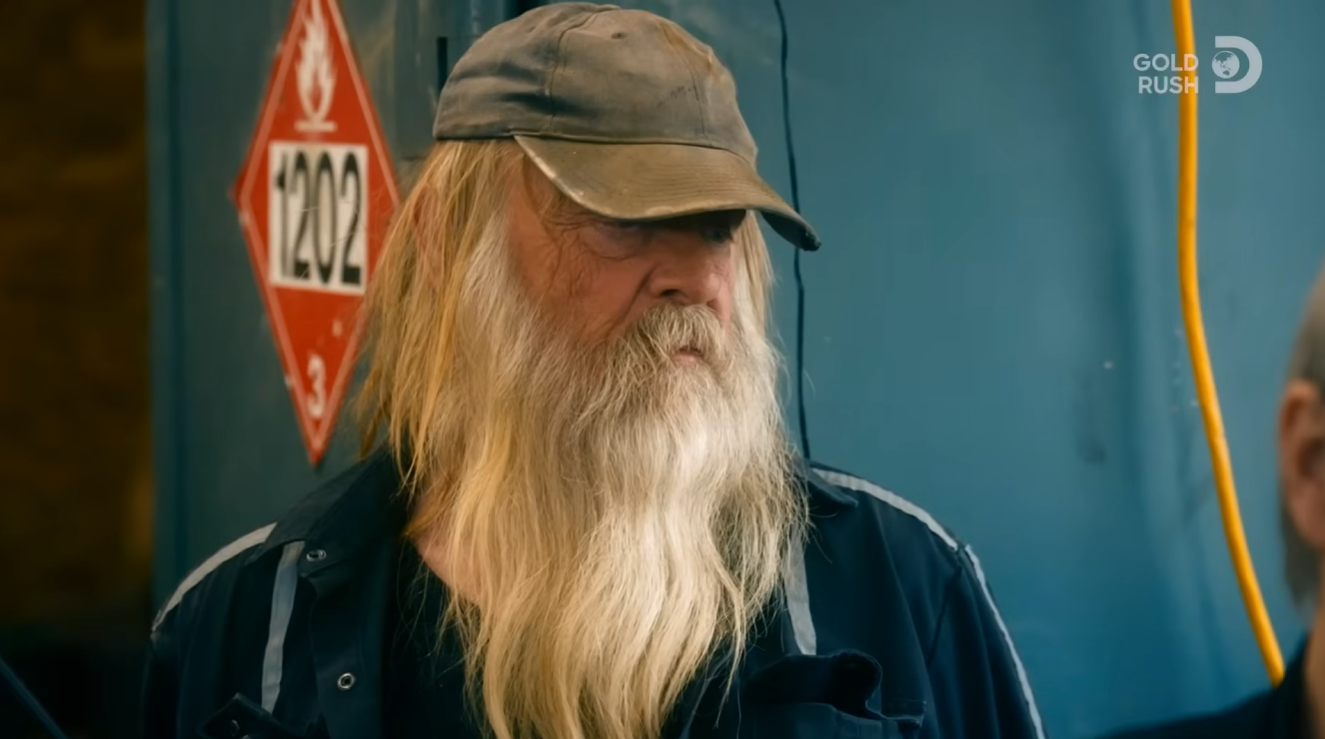
Tony Beets, a veteran miner who built his empire through instinct and relentless discipline, sees the situation differently. To him, delays are unacceptable. Oversight is not interference; it is protection against costly mistakes.
The tension between father and son becomes the episode’s emotional core. When Tony arrives to inspect the site and finds the machine still silent, frustration spills into open disagreement. What Tony calls guidance feels to Mike like a lack of trust.
After weeks of painstaking work, Mike completes critical repairs and prepares for a high-risk restart. Conveyors must be precisely aligned, the hopper stabilized and the entire system secured before material can flow. Success would transform Paradise Hill from a liability into a productive asset. Failure could further strain both finances and family bonds.
Rick Ness Pushes Endurance to the Limit
While conflict simmers at Paradise Hill, Rick Ness faces a different battle at Valhalla — one of stamina.
Determined to expose gold-bearing ground before winter closes in, Rick sets a punishing benchmark: each truck driver must complete an eight-minute haul 100 times in a single shift. On paper, the mathematics appear manageable. In practice, the repetition becomes physically and mentally draining.

Dust clouds, vibrating cabins and relentless repetition test concentration. As fatigue builds, philosophical divisions emerge within the crew. One driver pushes aggressively, convinced that higher speed is the path to higher totals. Another favors consistency, arguing that sustainable output reduces costly errors.
The disagreement gradually erodes cohesion. Rick’s challenge is no longer purely operational; it becomes managerial. In a high-risk environment involving heavy machinery, even small lapses in judgment carry serious consequences. Maintaining morale proves as critical as moving dirt.
Rick’s position near the bottom of the leaderboard intensifies the urgency. With roughly 440 ounces so far, he remains under significant pressure to deliver a late-season turnaround.
Kevin Beets Gains Reinforcement at Sphinx Cut
At Sphinx Cut, Kevin Beets receives a timely boost as his trusted lieutenant Buzz returns to site. The claim has shown promising gold values, but extracting maximum yield requires mechanical reliability and experienced coordination.
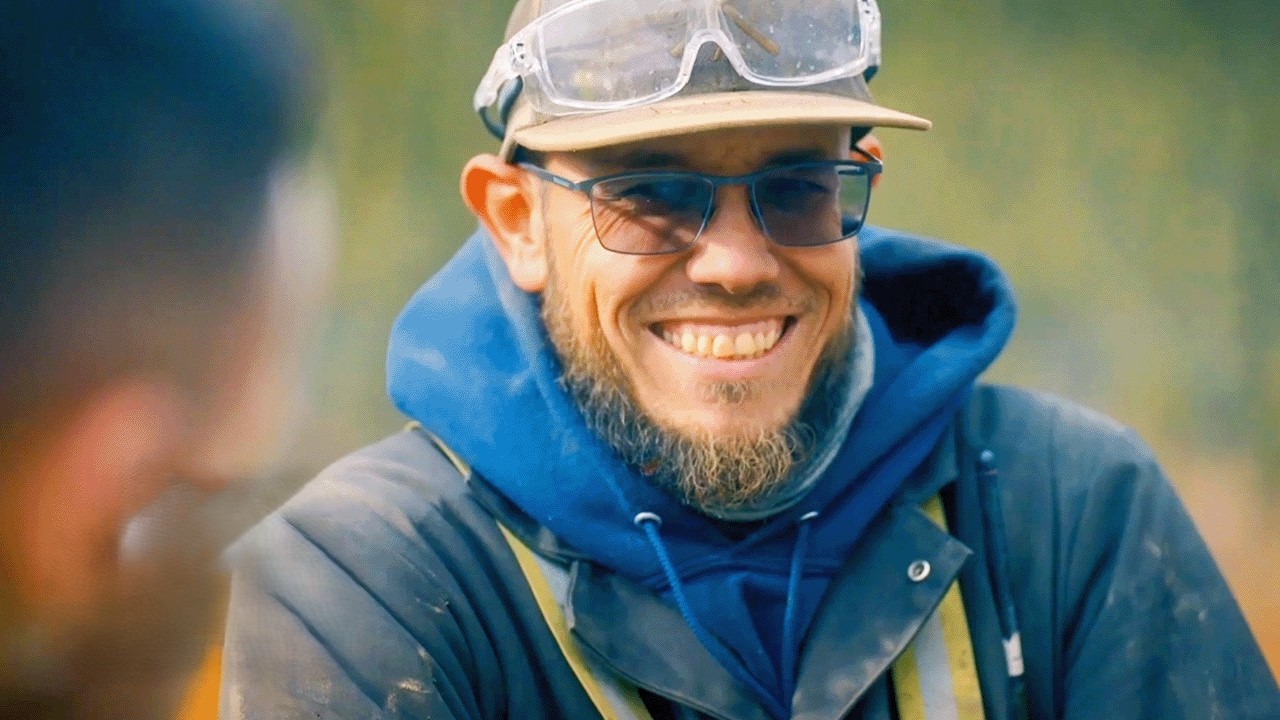
Buzz’s return injects stability. With his logistical expertise, workflows are refined and inefficiencies addressed. For Kevin, who has struggled to match the output of both Parker and Tony this season, the reinforcement offers both operational and emotional support.
With approximately 580 ounces mined so far, Kevin remains far behind the front-runners. Yet strong ground combined with improved efficiency could narrow that gap in the remaining weeks.
Why Parker Schnabel Is Absent — And Why It Matters
Viewers may notice that Parker Schnabel does not appear in this week’s episode. His absence, however, reflects editorial structure rather than operational trouble.
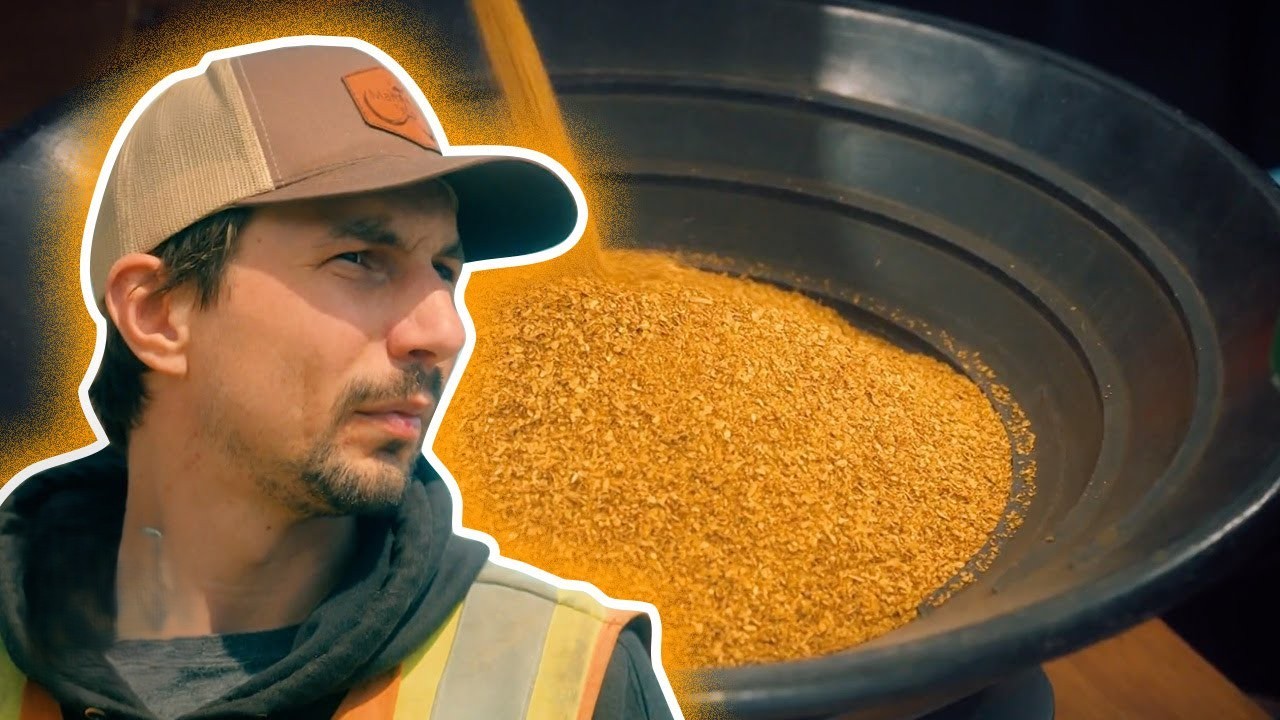
The series rotates focus among its four principal operations — Parker, Tony, Rick and Kevin — allowing deeper storytelling within each hour-long broadcast. Parker currently leads the standings with approximately 6,700 ounces, valued near $24 million. His operation functions with disciplined efficiency, often resolving issues swiftly and with minimal disruption.
As Parker’s enterprise expands into large-scale business management — land negotiations, capital planning and equipment investments — the daily operational turbulence that once defined his storyline has diminished. While still central to the season narrative, his operation now resembles a finely tuned industrial machine.
The Leaderboard After Episode 14
-
Parker Schnabel: ~6,700 ounces (≈ $24 million)
-
Tony Beets: ~4,900 ounces (≈ $17 million)
-
Kevin Beets: ~580 ounces (≈ $2 million)
-
Rick Ness: ~440 ounces (≈ $1.5 million)
The gap at the top remains significant. Tony retains a theoretical path to close distance, but mechanical reliability must improve immediately. Kevin and Rick face steeper climbs, requiring both operational stability and strong ground to alter the season’s trajectory.
A Season Defined by Pressure
Episode 15 underscores a central theme of season 16: success in the Yukon is determined not only by equipment or ground quality, but by leadership under strain.
At Paradise Hill, the Beets dynasty confronts generational tension. At Valhalla, endurance tests loyalty and cohesion. At Sphinx Cut, reinforcement arrives just as opportunity emerges. And at the top, Parker’s disciplined system continues to set the benchmark.
With winter approaching, the margin for error continues to shrink. The weeks ahead will determine whether perseverance reshapes the standings — or whether the hierarchy solidifies as the season closes.