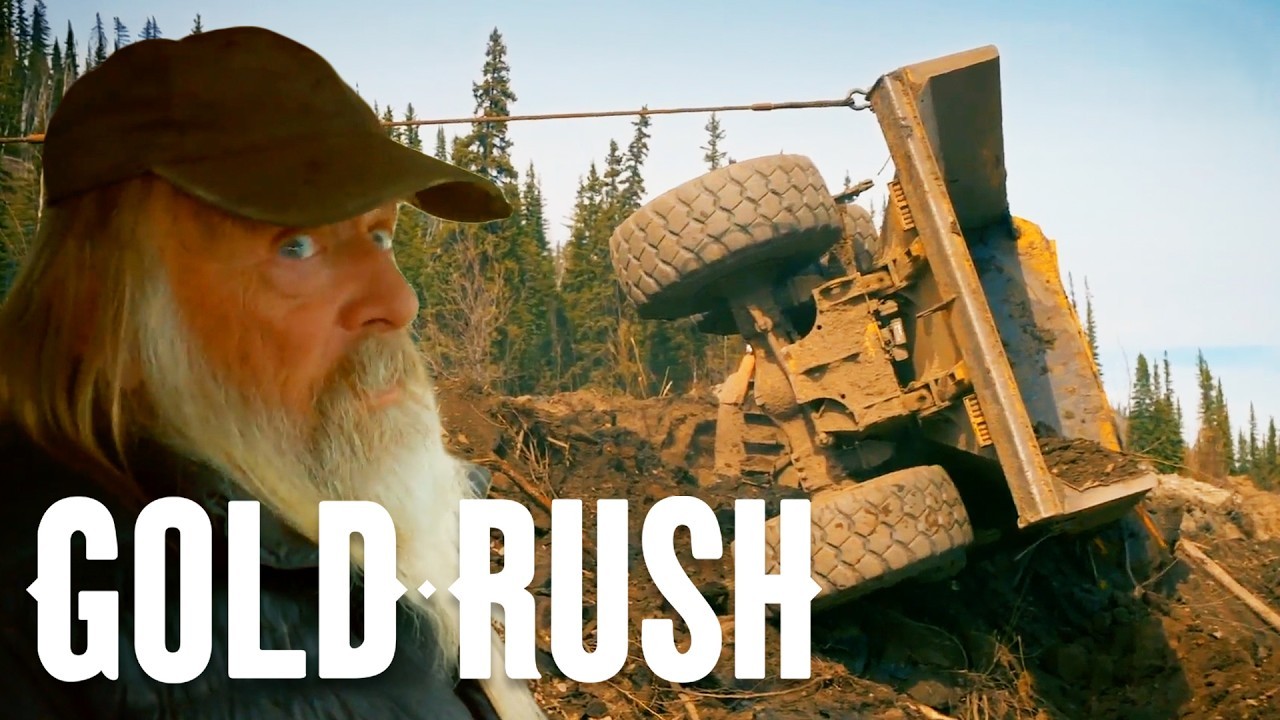
At Indian River, Tony Beets is racing against time — and inexperience. With gold prices soaring and his 6,500-ounce seasonal target within reach, the “King of the Klondike” has banked roughly 775 ounces after five weeks of sluicing. But expanding operations while training a wave of new hires is proving to be a high-risk balancing act.
To accelerate stripping at the Early Bird and Corner cuts, Tony brought in 10 additional workers — many of whom had never driven a rock truck. The learning curve quickly turned costly.
Rookie Mishap Halts Production
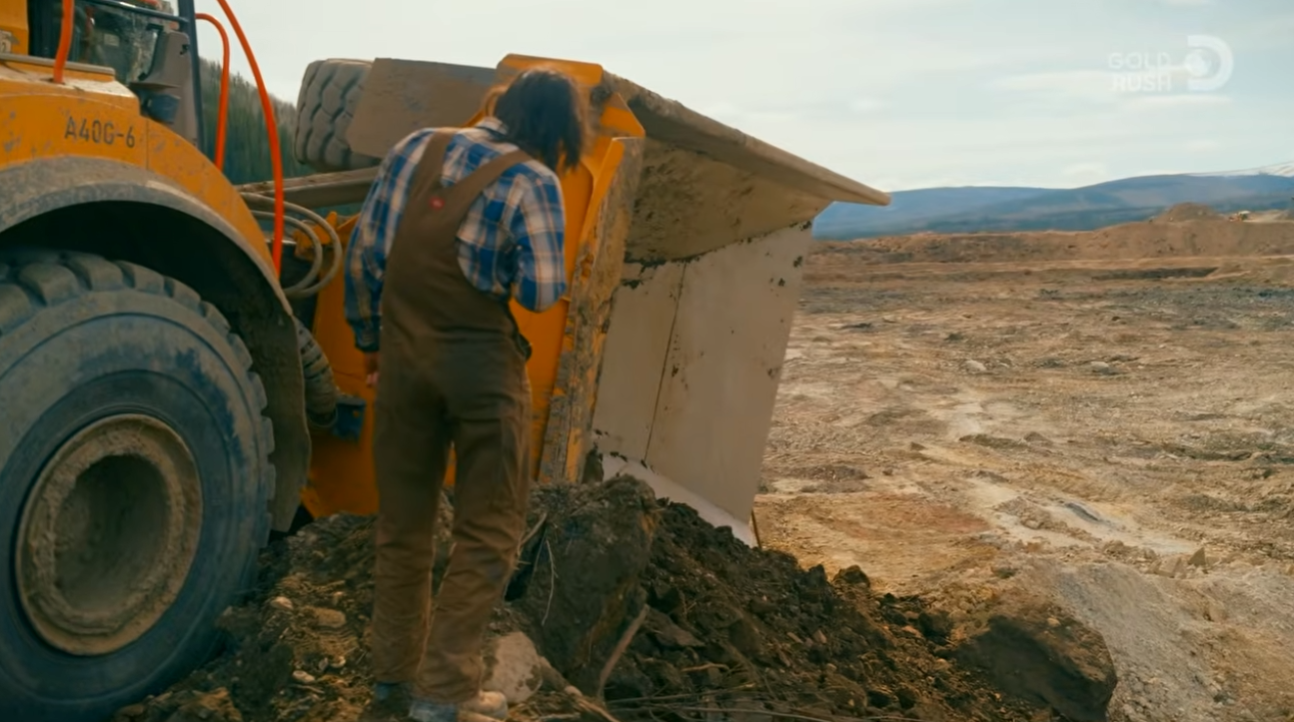
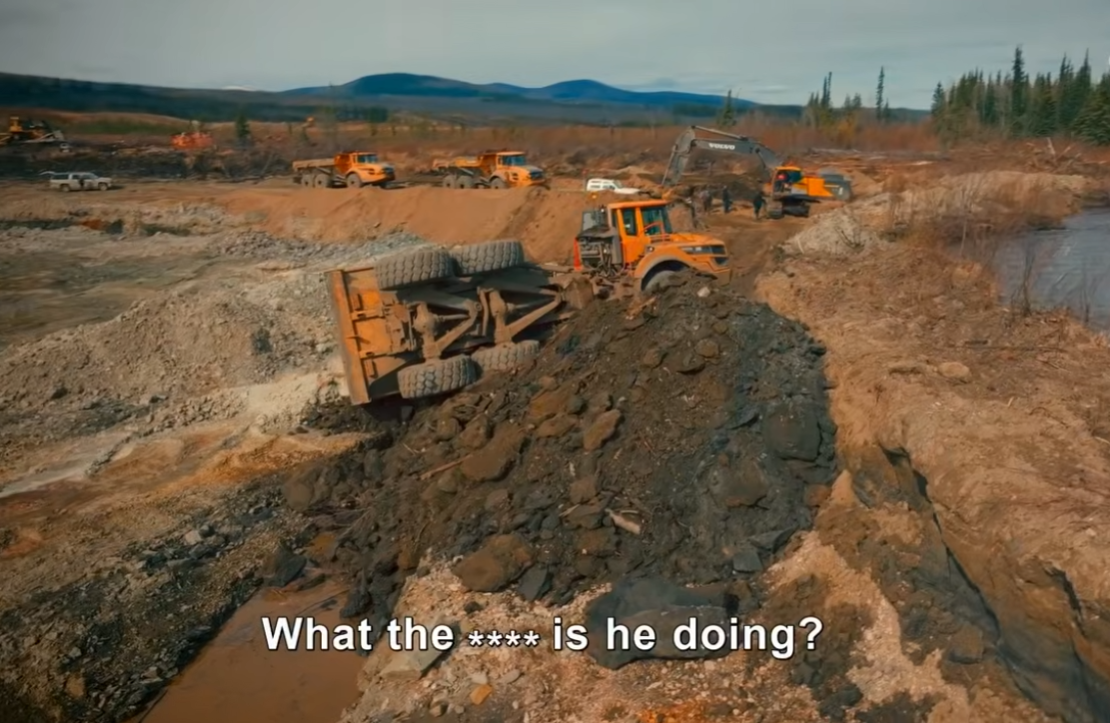
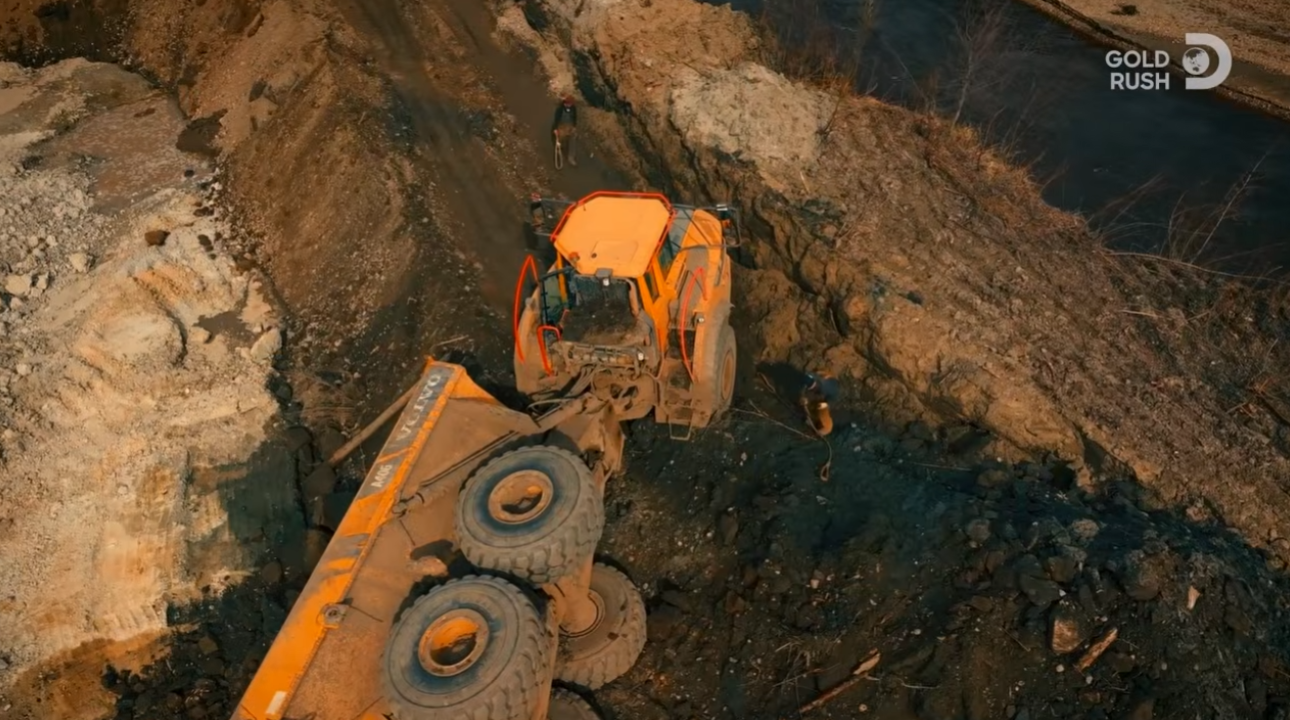
The first major setback came when rookie driver Sam tipped his rock truck after the box gave way under unstable ground. The rollover temporarily shut down hauling operations as heavy equipment operator Jacob Moore led recovery efforts using a 480 excavator to right the vehicle. Fortunately, the truck was recovered without serious damage.
Tony’s response was direct: one mistake earns a warning; a second means dismissal. With tight timelines and millions on the line, patience is limited.
Flooded Pay and Pump Pressure
Compounding the challenge, spring meltwater flooded exposed pay dirt at the Early Bird cut. Without rapid drainage, gold-bearing ground would remain inaccessible. Tony tasked Jacob — now stepping into an acting foreman role while Mike Beets briefly traveled overseas — with deploying a submersible pump and 400-foot discharge pipe to clear the water.
The job exposed both the pressure and the fragility of a growing crew. Equipment issues slowed installation, and Tony made clear he expected immediate results. “Don’t waste time. Just get on with it,” he instructed.
Jacob managed to get the pump running, stabilizing the cut and restoring access to pay. For the young operator, it was a critical test of leadership under scrutiny.
Corner Cut Expansion and Mounting Frustration
Meanwhile, Tony is pushing ahead on the massive 46-acre Corner Cut — his largest excavation yet. He aims to strip a 10-acre section, 10 feet deep, within just seven days. The scale requires speed, coordination and competent drivers.
Instead, multiple greenhorns were caught driving recklessly through waterlogged terrain, risking damage to expensive rock trucks. Tony and Mike both intervened sharply, issuing warnings and, in some cases, formal write-ups.
Mike Beets, attempting to train Sienna and Kendra on wash plant operations, discovered further issues — including an overfilled engine oil system that could have caused catastrophic failure. A quick double-check prevented what might have been a $100,000 engine replacement.
Recognizing the limits of on-the-job training under time pressure, Mike began searching for experienced operators. “I need people,” he said plainly, reviewing resumes and preparing to conduct hands-on interviews.
High Stakes, Thin Margins
The Beets operation now faces a pivotal stretch. With Indian River currently their primary revenue stream and no margin for extended downtime, every mistake carries financial consequences. Yet rapid expansion demands manpower — and skilled labor is scarce.
Tony’s philosophy remains unchanged: push hard, fix problems fast, and keep the gold flowing. But as production ramps up and responsibilities shift, the season may hinge less on ground quality and more on whether the crew can rise to the challenge.
For now, Indian River continues sluicing — but under intense pressure, where one more costly error could alter the trajectory of the entire operation.
