Moonshiners across several crews are pushing into experimental territory, hoping new flavours can open new markets — but the results show how thin the line is between a hit product and an expensive mistake.
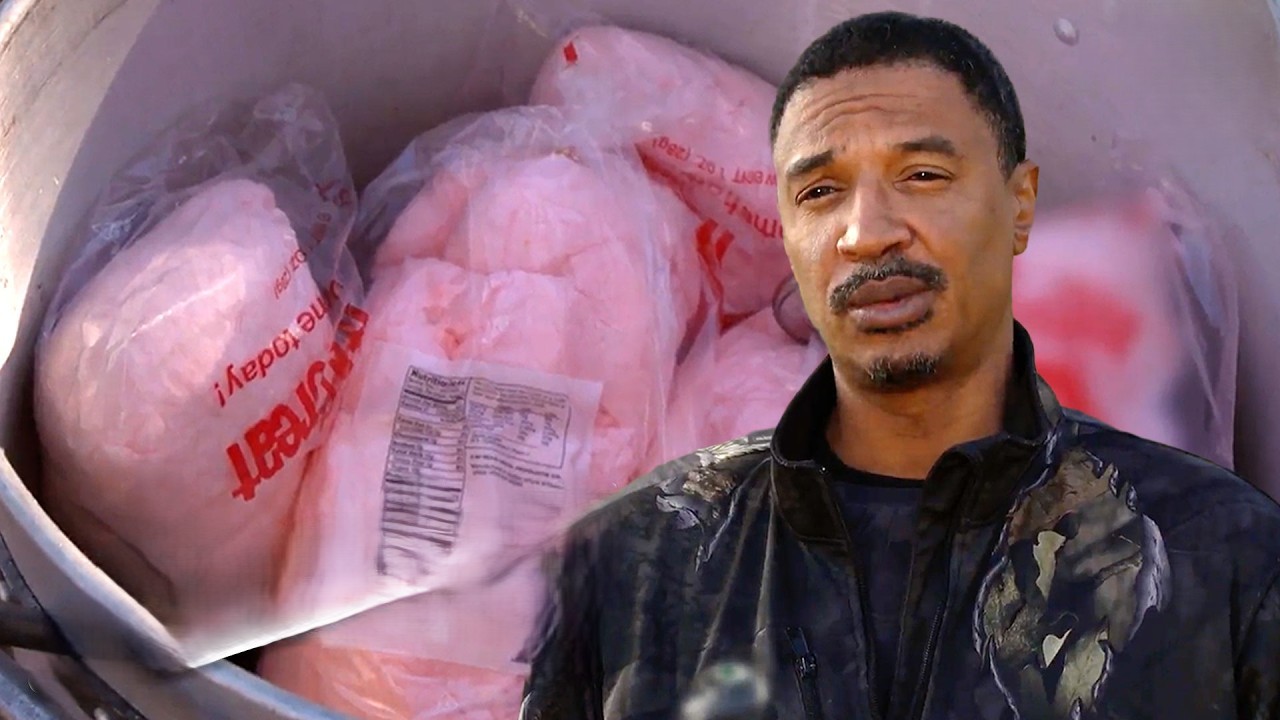
In Louisiana, one team waiting on copper sheets for a new still decides to stay productive by attempting something nobody around them has tried before: cotton candy rum. They buy 17 bags of pink vanilla cotton candy from a local snow-cone factory, aiming for a nostalgic spirit that might lift spirits during hard times. Because cotton candy contains additives, they boil the mixture to drive off harsh chemical smells before fermenting. When it finally runs, the crew celebrates the first drips — sweet aroma, strong proof, and a flavour that genuinely reminds them of childhood treats.
But even a playful idea carries real risk. As the still runs, the sound of aircraft overhead sends the distillers scrambling for cover, joking about how quickly a “fun” product could turn into a serious problem if they’re spotted in the wrong moment.
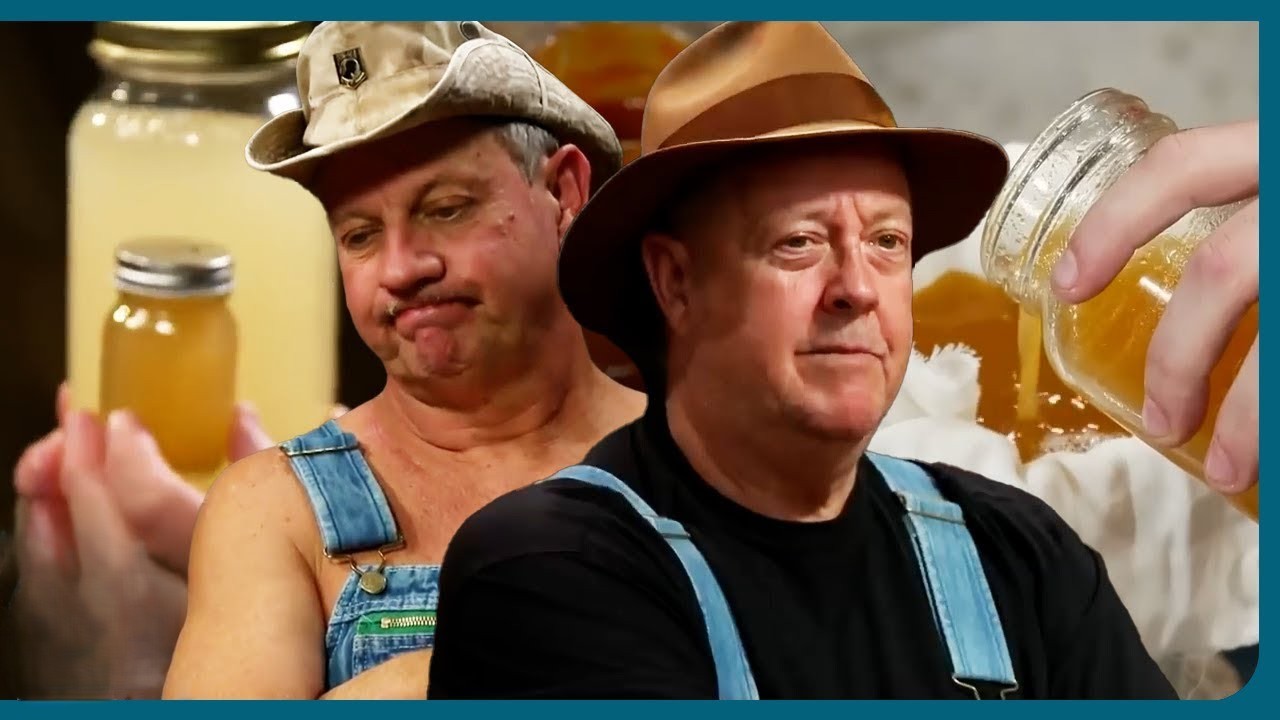
Elsewhere, another crew swings even wider with “milk liquor.” They start with surplus Grade A milk, believing the lactose sugar can ferment. The first attempt fails fast: the milk rots, the smell hits before they reach the barrel, and a taste test confirms there’s no alcohol. Rather than quit, they pivot to a more technical approach — separating curds and whey using vinegar, then adding lactase tablets to break down lactose for the yeast. This time, the airlock inflates, and they detect alcohol. The challenge becomes scale: separating curds and whey in large volumes is time-consuming, so they begin talking about sourcing whey directly from a dairy operation.
A third storyline focuses on demand rather than novelty: producing three levels of hot pepper liquor for a buyer. With help from an experienced pepper-shine maker, the crew builds a jalapeño base mash, then escalates with habanero infusions. The process is brutal — airborne capsaicin burns eyes and lungs, and even the vapour near the condenser becomes unbearable. The first batch is drinkable, balancing sweetness and heat; the later batches become so intense the crew admits they’re making it for customers, not themselves.

Meanwhile, another team hunts a rarer prize: elderberries for an old family-style recipe. After hours of searching, they find ripe clusters over a river — and handle them carefully, boiling to neutralise toxins before mashing. They blend elderberries with raisins for sugar support, then build a heavy rye base for depth. When the run finally comes, the finished spirit surprises them: smooth, fruity, complex, and described as “like grape jelly with a kick,” with little burn — a premium-style result from a difficult ingredient.
Across all three experiments, the message is the same: moonshining is no longer just about making alcohol — it’s about creating something new enough to sell, memorable enough to repeat, and controlled enough not to backfire.
