Viral Claims Swirl Around Oak Island’s Garden Shaft — But Verified Evidence Remains Elusive

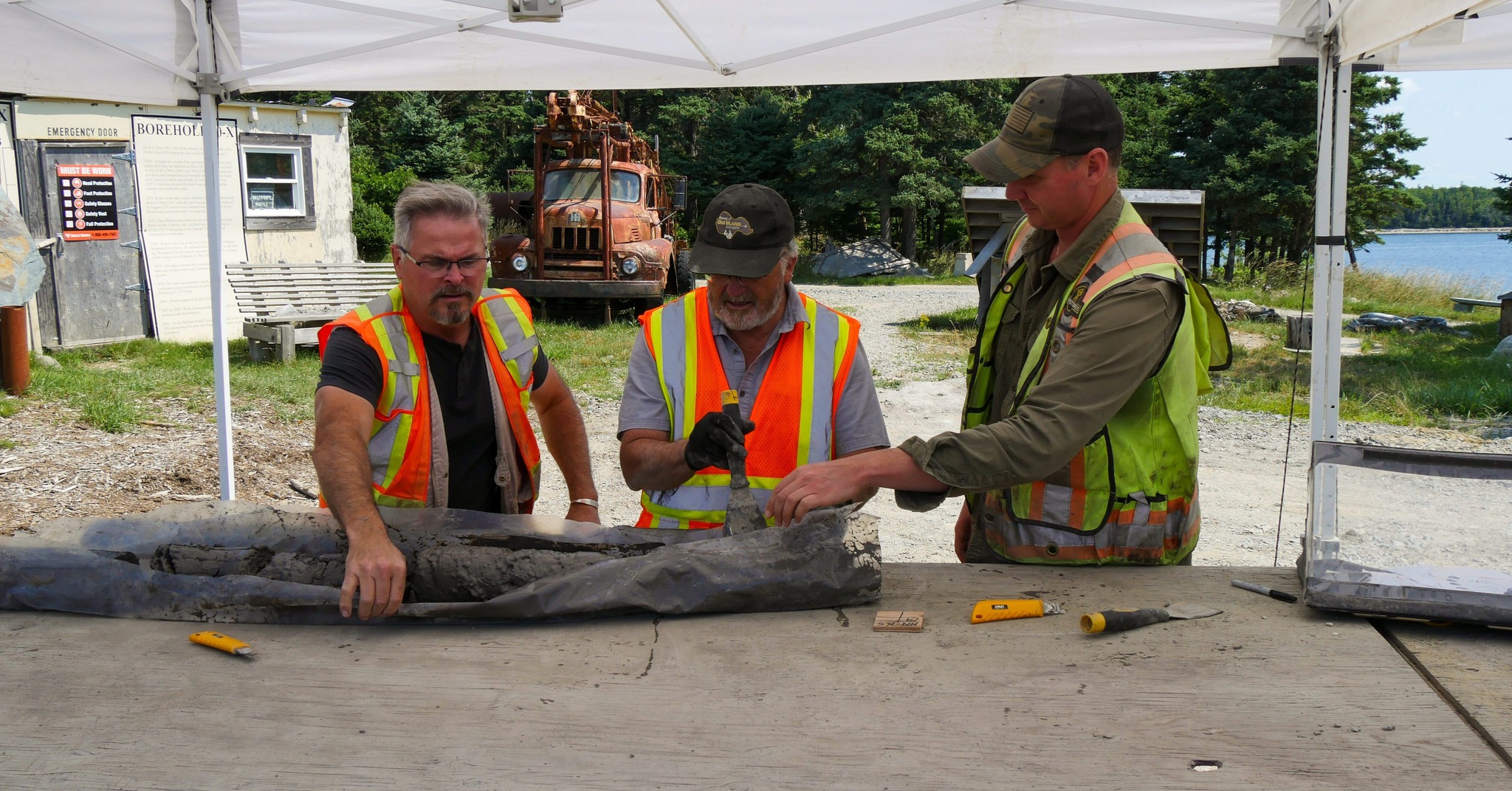
A new wave of online clips and narrations is reigniting global fascination with The Curse of Oak Island, claiming the History Channel has “confirmed” the discovery of a treasure vault beneath the Garden Shaft — complete with Roman-era objects, preserved scrolls and a ceremonial blade made from meteoric iron.
The story is circulating widely across fan channels, but at present, the most extraordinary elements appear to be unverified and not supported by authoritative, independently documented releases.
What the viral narrative claims
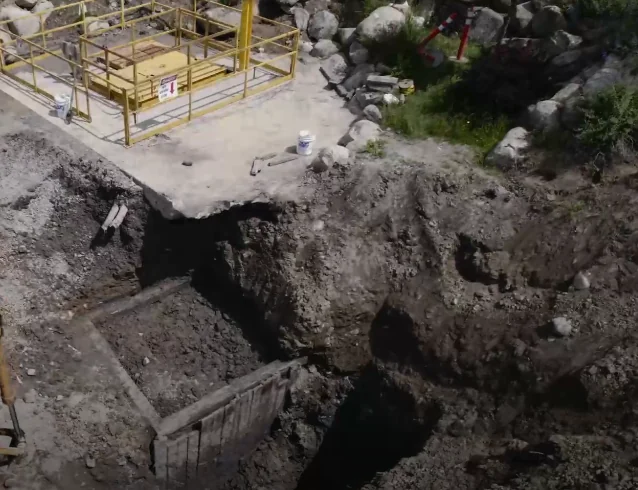
In the circulating narration, the breakthrough is said to occur beneath the Garden Shaft — a target area on the show that has been repeatedly associated with water-sample and geochemical discussions, including mention of precious-metal signatures.
The clip asserts that drilling breaks through an unusually resistant “concrete-like” barrier and opens a vault-like chamber (sometimes labelled “the sanctuary”), described as roughly 15 feet by 15 feet and constructed from large cut-stone blocks. Within the chamber, the narration claims multiple chests contain:
-
Coins said to be linked to various European powers, including Roman-era coinage
-
Scrolls preserved in lead cylinders, allegedly featuring star charts and multilingual or coded writing
-
A ceremonial sword described as Roman, with a symbol associated with medieval orders
Why the “Roman sword” claim raises immediate credibility issues
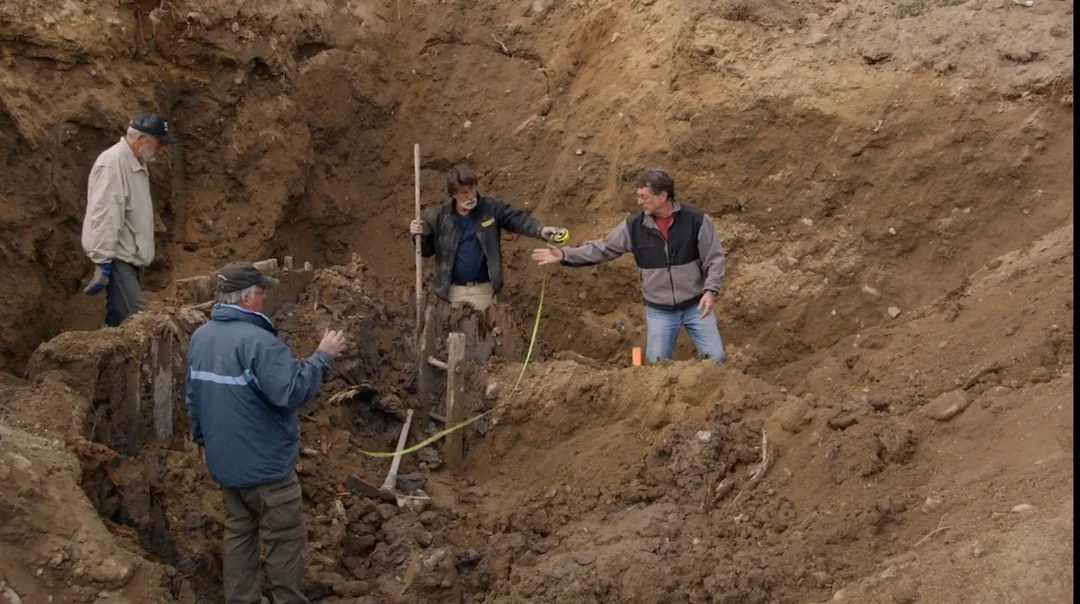
Oak Island has seen “Roman sword” stories before — and at least one widely circulated example was later shown to be a modern replica, not an ancient artifact. A History-branded explainer article notes that a “Roman sword” reported near Oak Island in 2015 ultimately turned out to be a replica.
That history matters because the new viral version is again leaning heavily on a Roman-sword hook — a detail that reliably drives engagement, but also has a track record of being overstated.
What is real about the Garden Shaft focus
Season 13’s televised narrative has continued to emphasise modern surveying, drilling and lab work, and it has referenced geochemical testing as one of several decision inputs for where to dig next. Coverage and episode analysis outside the show also notes that earlier precious-metal readings around the Garden Shaft area have been debated, including prior instances where follow-up drilling did not yield the implied outcome.
In other words: the Garden Shaft has been framed as promising on-screen — but “promising” is not the same as a confirmed vault with museum-grade provenance.
What’s missing for a “confirmed treasure” announcement
For a claim of this magnitude to be treated as established fact, viewers would normally expect to see, at minimum:
-
A clear, dated statement from the network and/or production with specific, checkable details
-
Independent expert confirmation (archaeology, numismatics, metallurgy, conservation)
-
Documentation of chain-of-custody and conservation protocols
-
Publication or formal presentation beyond promotional video packaging
So far, what’s driving the “confirmed” narrative appears primarily to be third-party uploads and social posts, not a transparent release of verifiable findings.
Bottom line
The viral Garden Shaft “sanctuary vault” story is an effective piece of content — but the most dramatic components (Roman coins, meteoric-iron blade, globally sourced relic cache) currently read as speculative storytelling rather than confirmed discovery.
If you want, paste the link you plan to publish alongside, and I’ll rewrite this into a tighter BBC-style news write-up that keeps the intrigue high while staying safely inside what can be asserted versus what must be attributed.