Obsession, Outrage and a Spanish Coin: One Viewer’s Reckoning With The Curse of Oak Island


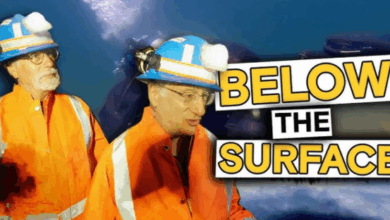
For over a decade, the History Channel’s long-running series The Curse of Oak Island has followed brothers Rick Lagina and Marty Lagina as they attempt to solve a 200-year-old mystery buried beneath a small island off Nova Scotia.
For some viewers, the show represents perseverance, curiosity and the thrill of discovery. For others, it inspires something closer to disbelief — and occasionally, exasperation.
One recent binge-watch of Season 1 highlights the emotional rollercoaster many newcomers experience when diving into the Oak Island phenomenon for the first time.
A Mystery Built on “Allegedly”
The Oak Island legend dates back to 1795, when teenager Daniel McGinnis reportedly discovered a curious depression in the ground. Digging revealed layers of logs spaced at intervals — evidence, some believed, of a deliberately constructed shaft known as the “Money Pit.”
Over the next two centuries, investors, engineers and dreamers spent millions trying to uncover what — if anything — lay at the bottom. Flood tunnels repeatedly sabotaged excavations. Six men died in various accidents connected to the search, giving rise to the ominous “seven must die” legend.
But as critics often point out, much of the early documentation is incomplete, contradictory or secondhand. The entire foundation of the mystery rests on historical accounts that remain difficult to verify.
The Television Effect
When The Curse of Oak Island premiered in 2014, it transformed what had been a niche treasure-hunting tale into global entertainment.
Season 1 introduces viewers to Borehole 10X — a 235-foot shaft originally excavated decades earlier by Dan Blankenship. The brothers deploy cameras, pumps and scanning equipment in hopes of validating old underwater footage that allegedly showed wooden beams, tools and possibly treasure chests.
What follows is a familiar pattern: mysterious shapes interpreted as meaningful, equipment malfunctions framed as intrigue, and a steady stream of narration asking whether each anomaly could be linked to pirates, Knights Templar, Shakespearean manuscripts or colonial conspiracies.
To skeptical viewers, the formula can feel repetitive. A stump becomes a potential “booby trap.” A triangle-shaped swamp hints at Freemasonry. Coconut fiber — a rope-making material found on many coastlines — is treated as evidence of elaborate drainage engineering.

Millions Invested, Few Conclusions
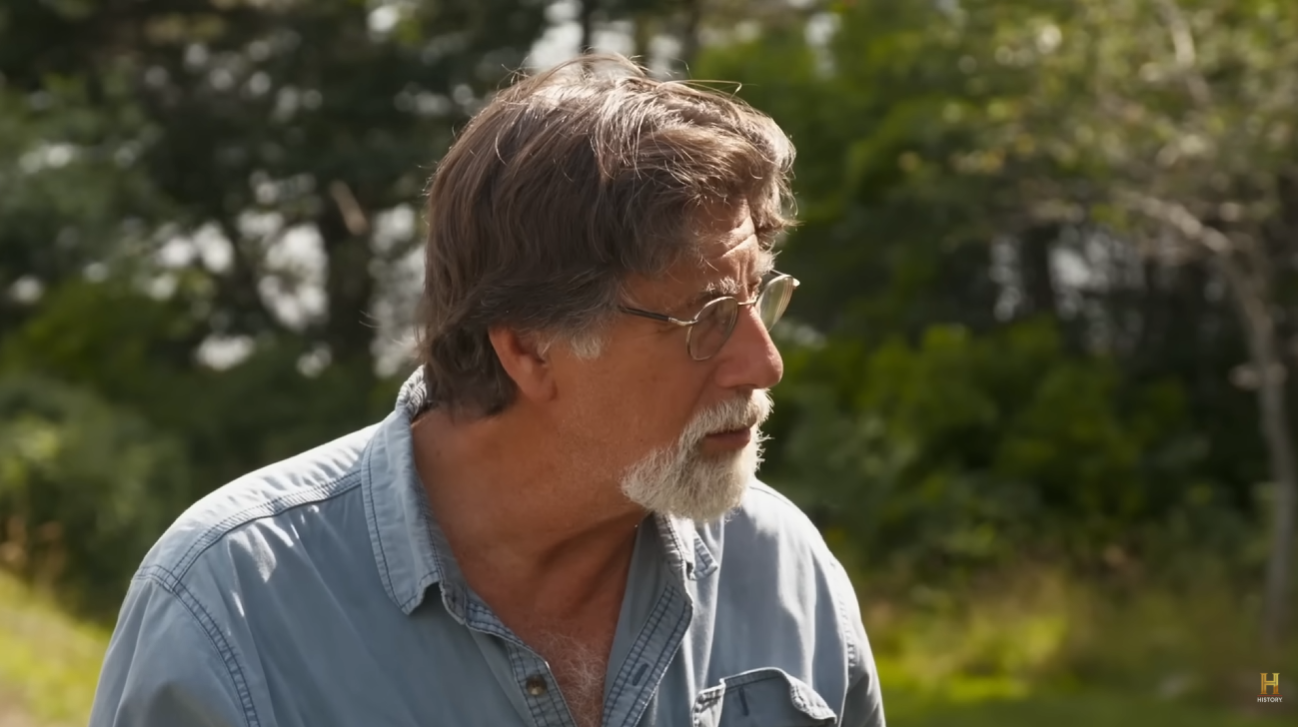
Marty Lagina, who previously sold an energy company, acknowledges that millions of dollars have gone into the search. Rick, a retired postal worker, provides much of the passion and emotional investment.
The show’s central tension lies between belief and practicality. While the brothers present scientific testing, core drilling and metal detection as methodical steps forward, critics argue that each find — wood fragments, bones, coins — rarely confirms any of the grand theories presented.
Season 1 ultimately culminates in the discovery of a Spanish coin in the swamp. It is undeniably historic. But does it prove the existence of a buried Templar vault? Not necessarily.
As one frustrated viewer put it: if you dig long enough in an area with centuries of maritime traffic and colonial history, you are likely to find something.
The Narrator and the Narrative
Much of the show’s tone is driven by its narrator, who frequently poses dramatic questions: “Could it be?” “Is this evidence of…?” The rhetorical framing fuels speculation but can also amplify thin connections into seemingly seismic revelations.
The result is a curious blend of genuine archaeological process and reality television suspense.
Why It Still Works
And yet — despite the skepticism — there is something undeniably compelling about the series.
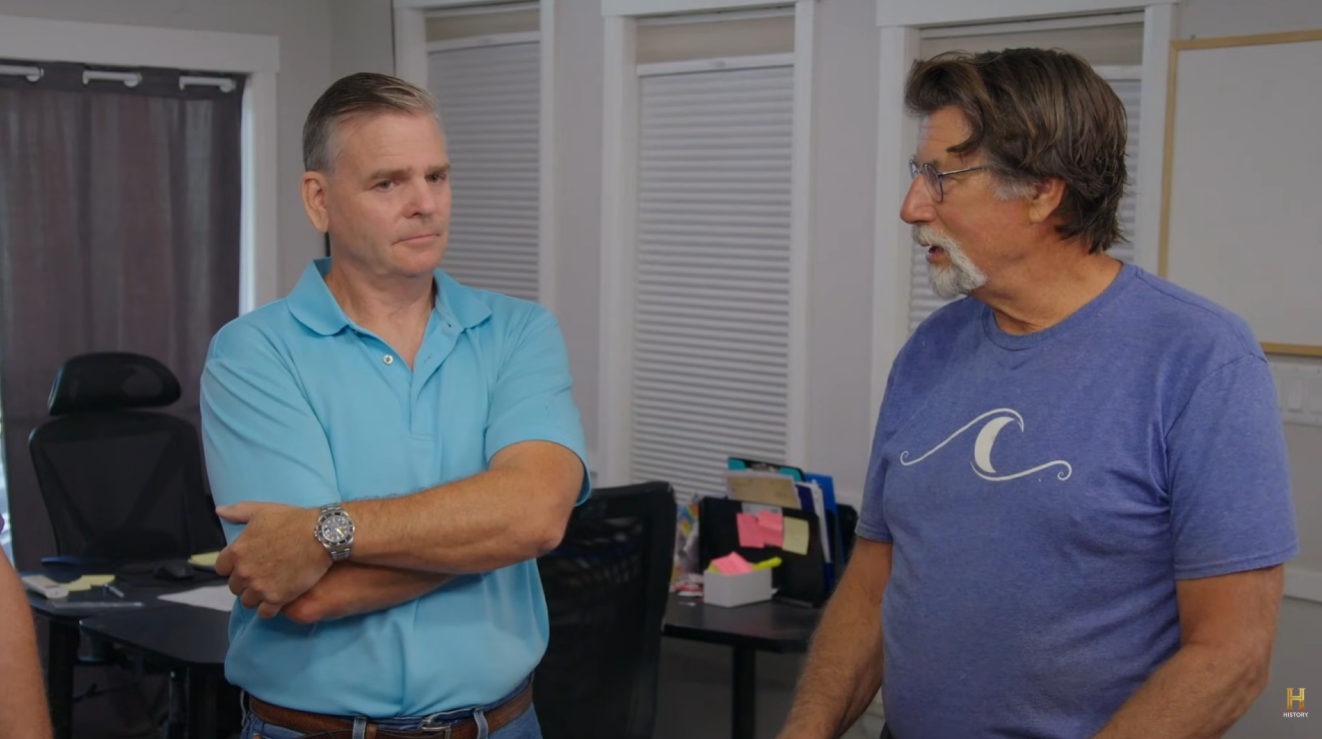
The charm of Rick and Marty’s partnership, their unwavering belief, and the slow, methodical uncovering of artifacts create a strangely addictive experience. Even critics who finish an episode irritated often admit they want to see what happens next.
Perhaps that is the real treasure Oak Island offers: not gold or lost manuscripts, but the enduring appeal of curiosity.
After 13 seasons, the mystery persists. Whether it ultimately yields a vault of riches or simply more coins and questions, The Curse of Oak Island continues to tap into a timeless human instinct — the need to dig, to wonder, and to believe that something extraordinary might be just beneath the surface.