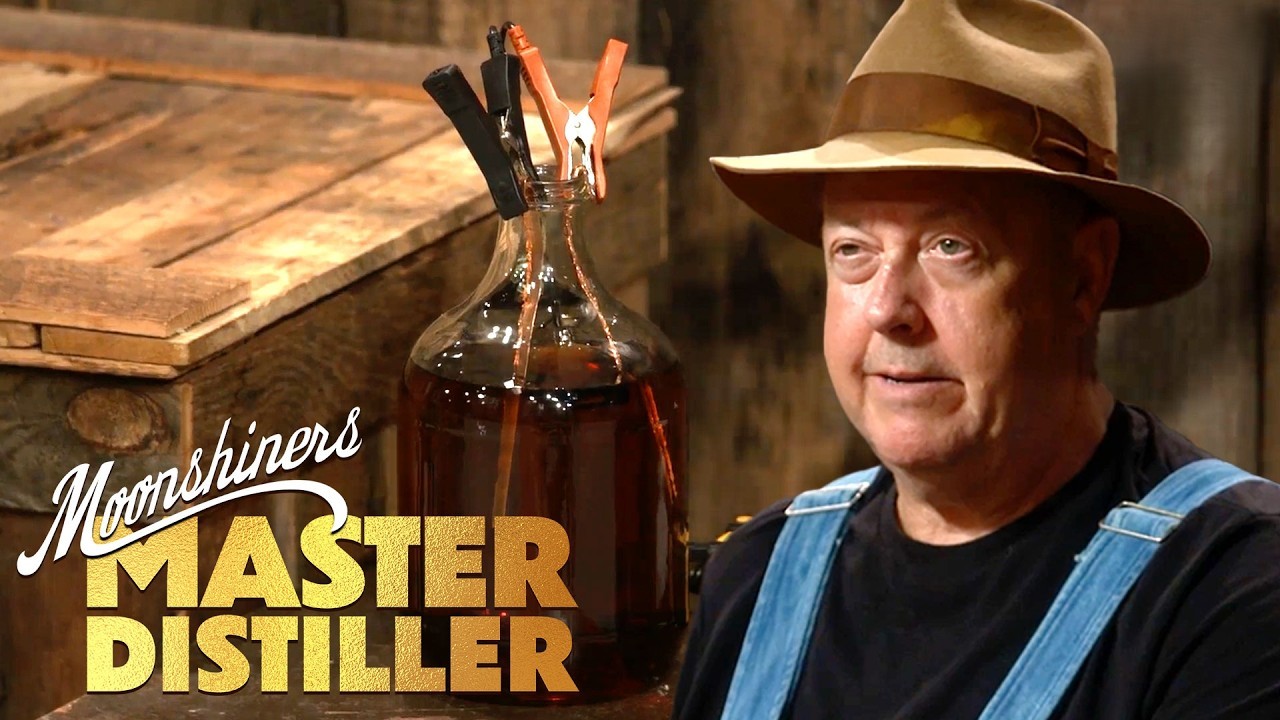
In one of the most inventive rounds of the season, creativity pushed the boundaries of traditional distilling as competitors transformed comfort foods and breakfast favorites into bold, drinkable spirits. From Nashville hot chicken in a jar to blueberry pancakes and loaded baked potatoes, the competition proved that innovation — and execution — are everything when the title of Master Distiller is on the line.
The savory round opened with two radically different interpretations of comfort cuisine. One contestant infused Nashville hot chicken into a spirit, carefully balancing spice, poultry notes and the sharp tang of dill pickles. Using an improvised ultra-fine filter — originally designed for drinking water — he clarified the liquor while preserving flavor. Judges praised the uniqueness of the concept and the technical effort to reduce harsh alcohol notes while keeping the jar visually clean.
However, when pickles were added to further temper the proof and enhance the spice profile, the balance shifted. Judges noted that the dill slightly overshadowed the spice blend, softening the impact that had initially impressed them. Though the drink remained flavorful and undeniably original, refinement proved decisive.
His competitor opted for a “loaded baked potato” sipping cream — an ambitious concept that translated bacon, chives, butter and potato into a surprisingly cohesive spirit. Judges were struck by how accurately the flavor profile matched the promise. The drink delivered savory depth while maintaining clarity and smoothness. Though some felt a slightly higher proof might have strengthened it, the innovation and execution ultimately secured the win. Scott was named Master Distiller, earning bragging rights and a limited release of his savory creation.
The competition then shifted to breakfast-inspired spirits, where sweet and savory interpretations again went head-to-head. One distiller crafted a blueberry pancake liquor, aiming for syrupy warmth without overpowering maple sweetness. Judges praised the buttery mouthfeel and balance, noting the syrup enhanced rather than dominated the flavor. The proof remained strong enough to remind tasters they were drinking a true spirit, not merely a flavored cordial.
Opposing it was a Bloody Mary–inspired jar — complete with vegetable notes, black pepper and earthy undertones. The judges admired its marketability, describing it as a ready-to-pour brunch drink. While suspended spices created visual appeal, the complexity of flavors divided opinion slightly. Still, the craftsmanship and boldness of concept were undeniable.

The final round brought baked goods into the spotlight through sipping creams. An orange glaze cinnamon roll cream showcased bright citrus aromatics layered over cinnamon warmth and creamy sweetness. Judges highlighted its commercial potential, praising how the orange aroma transitioned smoothly into a rich, buttery finish.
Its competitor, inspired by hummingbird cake, incorporated banana, pineapple and spice. Though banana came through strongly on the nose, judges felt some flavors competed rather than harmonized. In a contest where cohesion matters as much as creativity, subtle imbalance proved costly.
Perhaps the most technically fascinating moment of the episode came when innovation extended beyond flavor. One distiller demonstrated an electrolysis-based aging technique, claiming to replicate years of maturation in mere hours. Another competitor stunned the panel by clarifying hazelnut-infused liquor using a high-grade microfilter typically found in camping gear. The result was crystal-clear spirit without sacrificing flavor — a feat judges described as extraordinary.
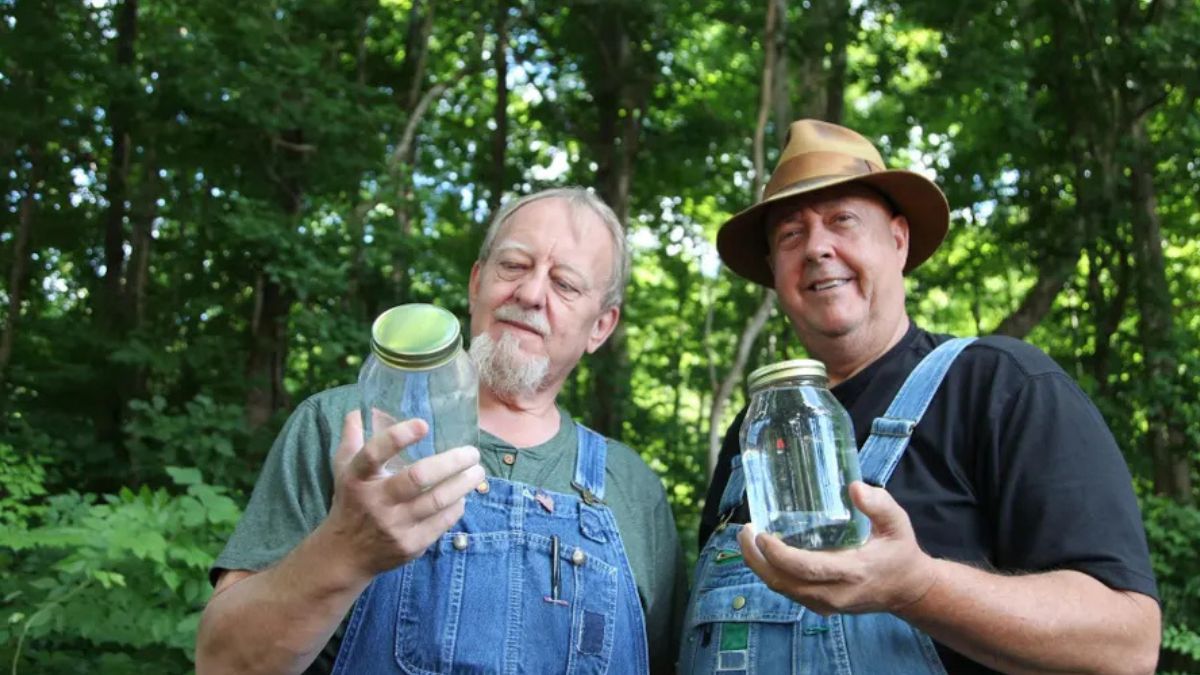
The hazelnut fusion impressed with its silky texture and absence of burn, delivering depth without harshness. Meanwhile, the electro-aged spirit carried remarkable smoothness and complexity despite its lighter color profile. Judges acknowledged that they had witnessed techniques never before seen in the competition.
Throughout the episode, one theme emerged clearly: modern distilling is evolving. Competitors are no longer confined to traditional grain bills and barrel aging. Instead, they are experimenting with culinary crossovers, filtration technology and alternative aging processes to create entirely new categories of flavor.
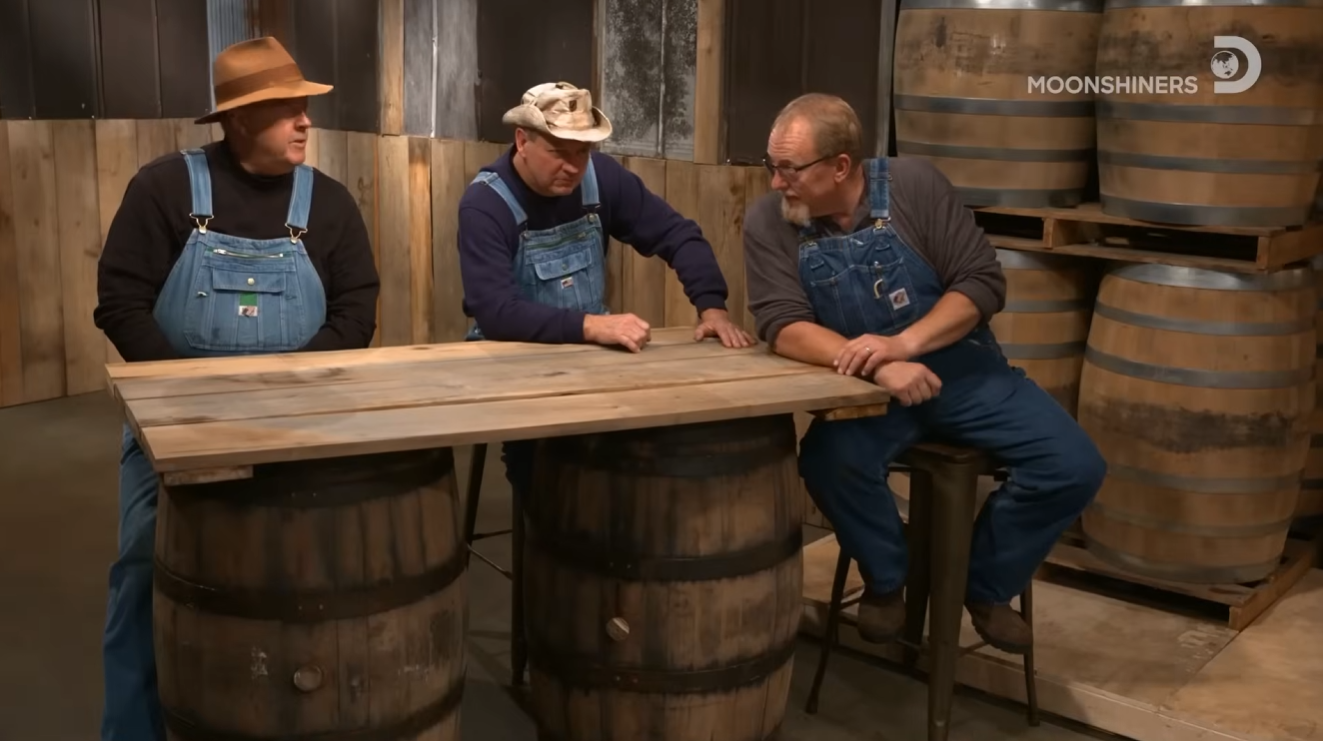
As the judges deliberated, they reflected not only on taste but on innovation, clarity, balance and drinkability. Each contestant pushed boundaries, proving that today’s craft distillers are as much culinary artists and engineers as they are moonshiners.
In a field where only one can claim the title, victory ultimately belonged to the spirit that best married concept with execution. But for viewers, the real triumph was witnessing how far the craft has advanced — from smoky backwoods stills to savory brunch cocktails and laboratory-inspired techniques.
The competition continues, but one thing is certain: the future of craft distilling is bold, experimental and increasingly fearless.
