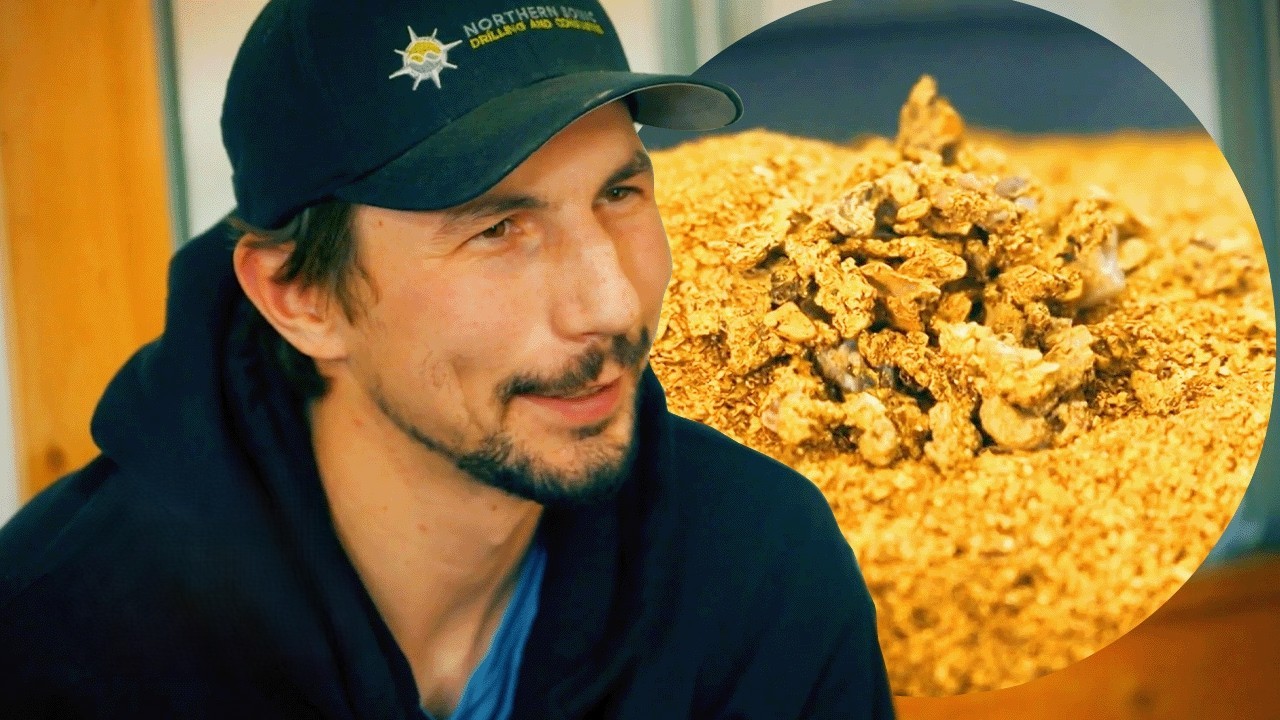
When most teenagers are focused on school, friends and future plans, Parker Schnabel was already standing in the middle of a working gold claim. Surrounded by excavators, haul trucks and a crew far older than himself, the young miner stepped into a world where every decision carried real financial consequences.
His early life in mining was shaped largely by his grandfather, John Schnabel, a respected Alaskan miner who built a reputation for discipline and persistence. Growing up around the Big Nugget Mine, Parker absorbed the lessons of the trade long before he was old enough to lead it himself. He watched how experienced miners studied the ground, tested gravel and managed equipment during the short but intense northern mining season.
Those early years were less about finding gold and more about understanding the process behind it. In the Yukon and Alaska, gold rarely comes easily. The work requires patience, careful planning and a willingness to endure long hours under harsh conditions.
When Parker eventually stepped into a leadership role while still in his teens, not everyone in the mining community believed he was ready. Running a large operation involves far more than operating heavy machinery. It requires managing workers, maintaining expensive equipment and making financial decisions that can affect an entire season.
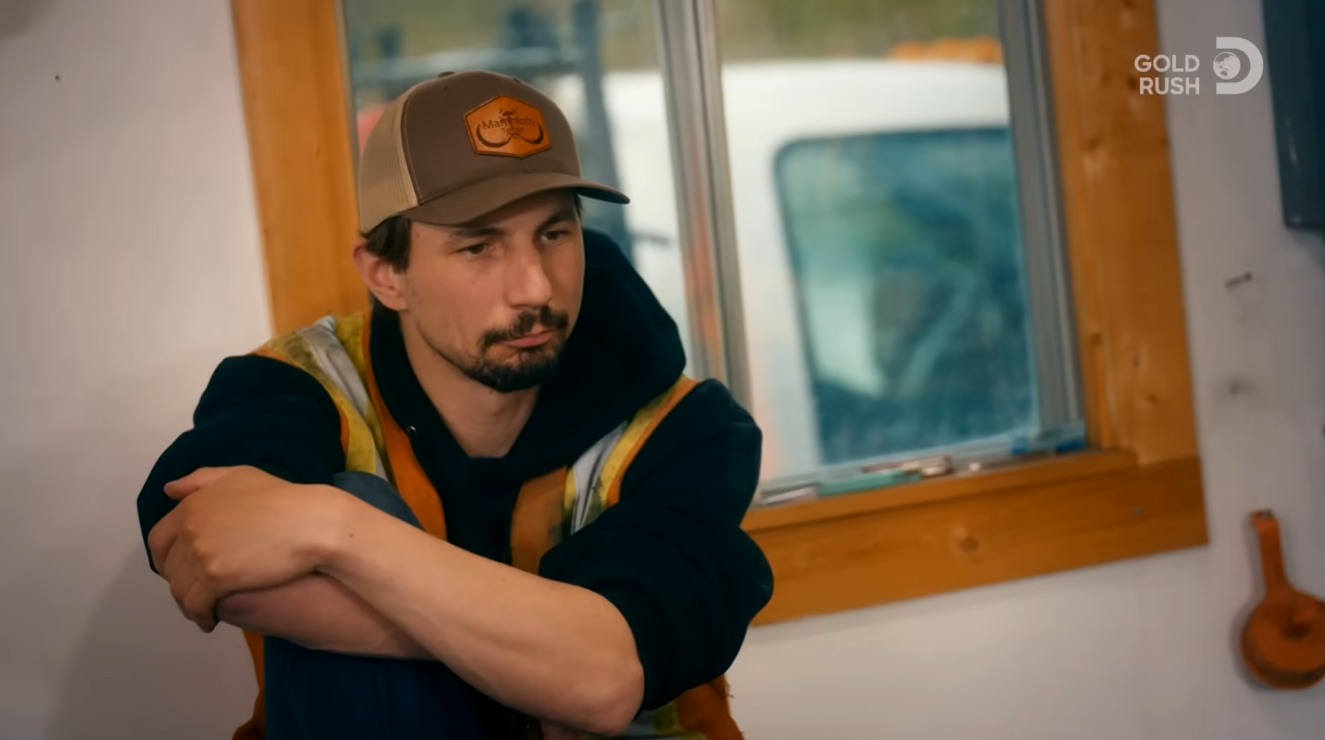
Fuel alone can cost hundreds of thousands of dollars during a busy mining year. Add to that the cost of repairs, wages and land leases, and the stakes quickly climb into the millions.
For a young operator, the pressure was intense.
Yet Parker approached the challenge with determination. Instead of stepping back from the responsibility, he leaned into it. Long days became routine, often starting before sunrise and continuing late into the night as he monitored production, inspected equipment and studied the ground.
The early seasons were not without difficulties. Equipment failures slowed production, disagreements with older crew members occasionally surfaced and some mining decisions did not deliver the results he hoped for. But each setback became part of the learning process.
Over time, those experiences helped shape Parker into a more confident leader.
As production totals increased and the operation expanded, expectations around him grew as well. Success brought attention, particularly after his work became widely known through the television series Gold Rush. The show introduced millions of viewers to the demanding world of placer mining in the Yukon.
On screen, audiences often saw the dramatic moments: huge excavators digging through gravel, wash plants roaring to life and the excitement of gold weighing at the end of a long week. But behind those scenes was a constant cycle of planning and pressure.
Mining seasons in the north are short. Every day lost to breakdowns or poor ground can have a major impact on profits. Wash plants can stop instantly if mechanical problems arise. Pay dirt that initially looks promising can turn out to contain far less gold than expected.
For Parker, the responsibility for those outcomes rests squarely on his shoulders.
The pressure extends beyond the mining season itself. When winter arrives and the equipment shuts down, the work continues in a different form. Parker spends the off-season reviewing geological reports, studying maps and negotiating new land agreements that could shape the next year’s operations.
Large mining ventures require detailed financial planning. New equipment purchases, fuel logistics and labour arrangements must all be organized months before the first excavator returns to the cut.
These behind-the-scenes decisions rarely appear on television, but they form the backbone of a successful mining operation.
Over time, Parker also expanded his ambitions. Rather than simply working familiar ground year after year, he began exploring new claims that might hold greater potential. That strategy carries risks, as new ground can be unpredictable. Geological surveys and historical data can only reveal so much.
Yet Parker approached expansion carefully. He studied satellite imagery, examined soil samples and reviewed historical mining records before committing major resources to a new project. His approach increasingly resembled that of a business strategist as much as a traditional miner.
The result has been steady growth.
What began as a relatively small operation eventually developed into one of the most productive mining ventures featured on Gold Rush. Larger wash plants, more efficient recovery systems and experienced crews helped increase gold output season after season.
Along the way, Parker himself also changed.
The teenager who once rushed between machines trying to prove his abilities gradually developed a calmer leadership style. Years of experience dealing with breakdowns, weak pay streaks and difficult decisions helped build a steadier approach to problem solving.
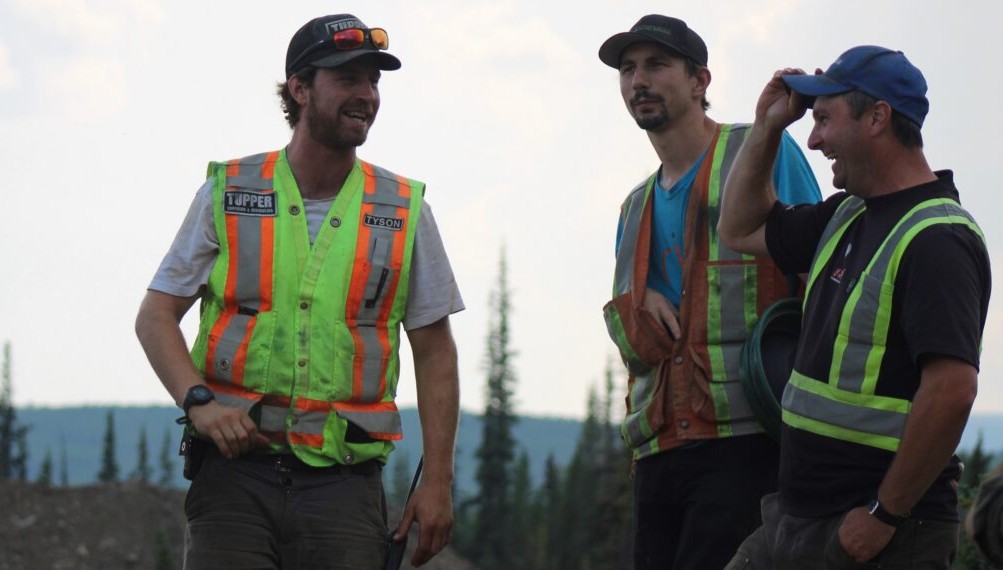
Crew members noticed the difference. Instead of reacting immediately when problems appeared, Parker often took time to evaluate the situation and consider the long-term impact of his decisions.
By the mid-2020s, he had become widely regarded as a capable operator in the Yukon mining community. The scale of his operation reflected that reputation, with multiple wash plants and large crews working across extensive claims.
Yet despite the success, Parker’s mindset has remained rooted in the same principles that shaped his early years in mining: persistence, careful planning and a willingness to take calculated risks.
For all the attention surrounding gold totals and television fame, the core challenge remains unchanged. Each season begins with the same uncertainty that has defined mining in the Yukon for generations.
The ground may deliver rich pay dirt or it may disappoint. Equipment may run smoothly or break down at the worst possible moment. Every new cut of ground represents another test.
Standing at the edge of a freshly opened claim, Parker often studies the gravel the same way he did as a young miner learning from his grandfather. Beneath those layers of rock and soil could lie the next major discovery—or weeks of hard work with little reward.
That uncertainty is part of what keeps him returning to the Yukon year after year.
Because for Parker Schnabel, the story has never been only about gold. It has been about persistence, responsibility and the determination to keep pushing forward, no matter how uncertain the ground ahead may be.