Oak Island’s mysterious parchment fragment continues to fuel theories of hidden knowledge

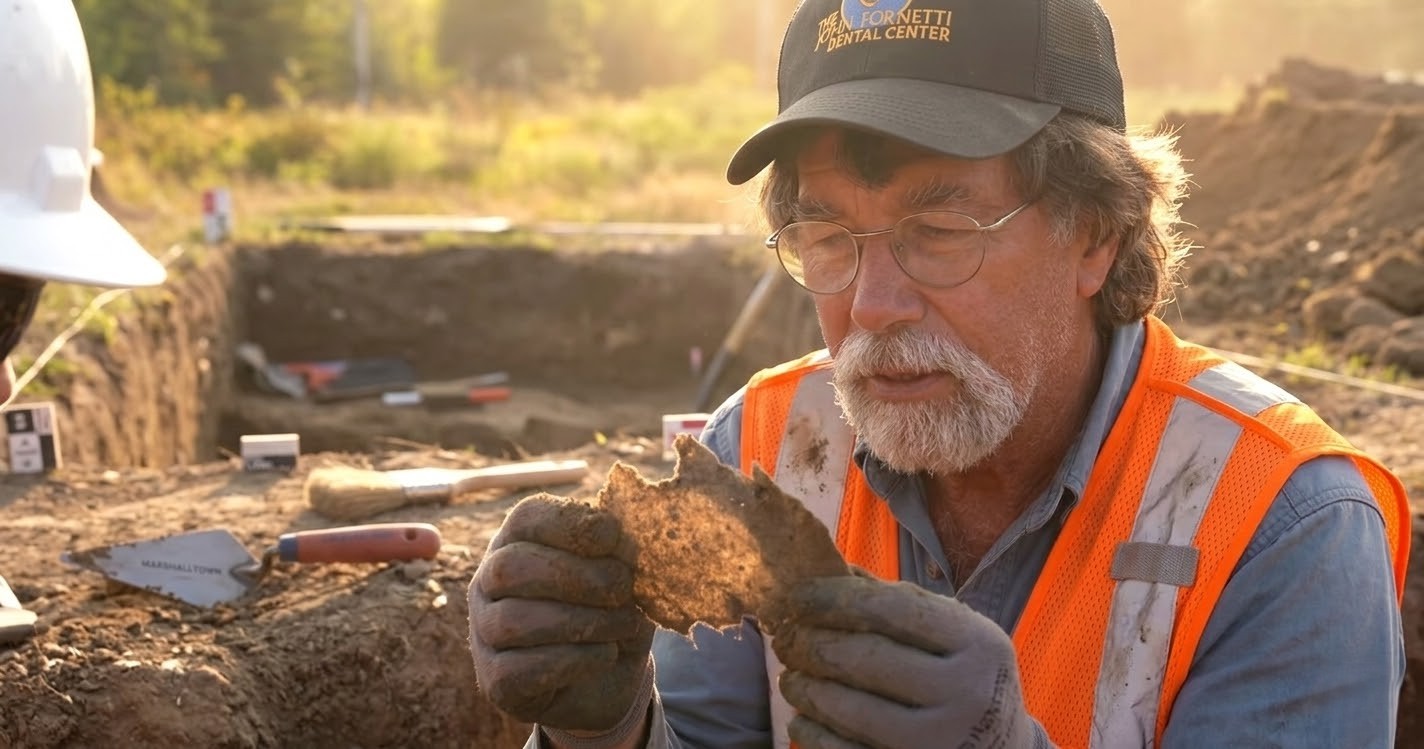
More than a century after it was first discovered, a small fragment of parchment recovered from deep beneath Oak Island remains one of the most intriguing clues in the long search for the island’s legendary treasure.
The discovery dates back to 1897, when the Oak Island Treasure Company was conducting drilling operations at the site known as the Money Pit. During one of the exploratory drillings, at a depth of roughly 153 feet (about 46 metres), the drill reportedly brought up a tiny piece of material unlike anything the team had encountered before.
When the fragment was examined by specialists in Boston and later by experts connected with the Pictou Academy in Nova Scotia, it was identified as parchment made from animal skin, most likely sheep. Parchment of this type was historically used for important manuscripts, official documents and early books, making the discovery particularly intriguing.
Even more mysterious were the markings on the fragment. Investigators noted two letters written in India ink. Researchers have interpreted the characters differently over the years, reading them as “vi,” “wi,” or possibly “ui.”
Although the fragment was extremely small, the presence of written ink on parchment suggested the possibility that written material might once have been stored deep underground on Oak Island. For some researchers and enthusiasts, this opened the door to a far broader theory: that the island’s hidden chamber might contain historical documents rather than just treasure.
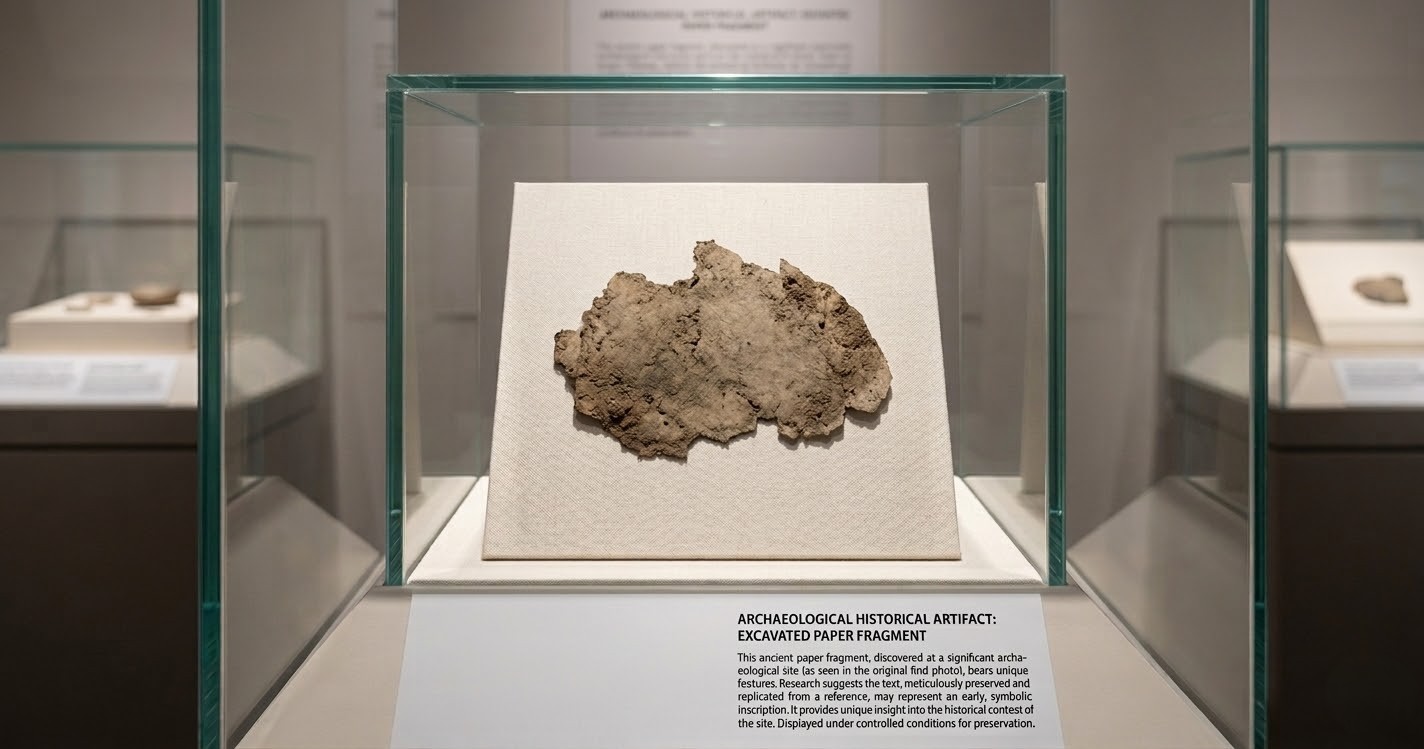
One of the more dramatic interpretations suggested the material could be connected to lost manuscripts, including speculative theories involving works attributed to William Shakespeare or writings linked to philosopher Francis Bacon. Such ideas remain controversial and largely speculative, but they have helped sustain public fascination with the island’s mystery.
More than a hundred years later, the search for answers continued when brothers Rick and Marty Lagina began investigating Oak Island as part of the television series The Curse of Oak Island. During drilling operations in later seasons of the programme, particularly around borehole H-8, the team recovered additional fragments of material that appeared similar to the earlier parchment discovery.
Among the items retrieved were small pieces of what looked like parchment as well as a fragment that some researchers described as resembling part of a leather book binding. The material was subjected to further scientific examination, including carbon dating and high-resolution scanning techniques designed to detect hidden traces of ink.
These tests aimed to determine both the age of the material and whether it might once have been part of a written document. The findings added another layer to the Oak Island puzzle, but they did not provide definitive proof of what the fragments originally belonged to.

Not all experts agree with the more dramatic interpretations.
Some researchers have suggested a far simpler explanation. In later analysis, including investigations featured during Season 9 of the series, certain fragments originally thought to be parchment may actually consist of cellulose-based paper used in industrial processes.
One possibility is that some of the material came from paper wrappers used to contain sticks of dynamite. Explosives were commonly used by earlier treasure-hunting teams in the late 19th and early 20th centuries to break through rock layers beneath the Money Pit.
Because Oak Island has been repeatedly excavated over the past two centuries, the underground layers have been heavily disturbed. This means objects recovered at great depths may not necessarily date from the island’s earliest period of activity. Some items could simply be debris left behind by previous search efforts.
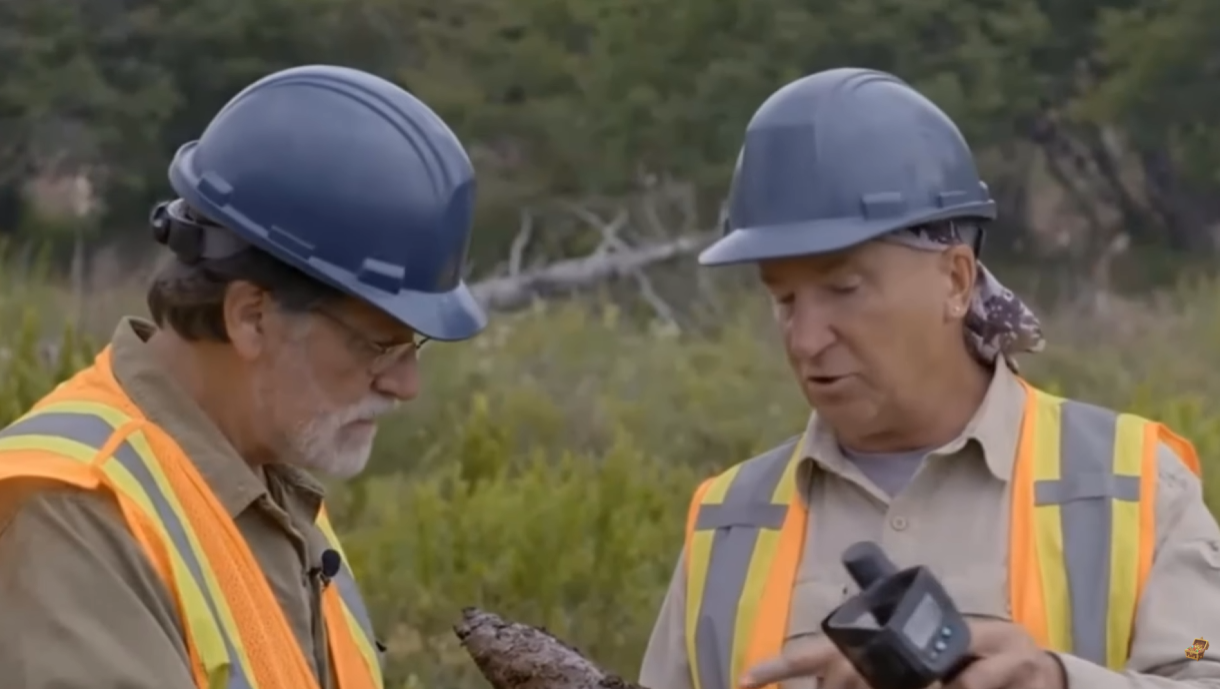
As a result, archaeologists and historians remain cautious when interpreting finds from the site.
Even so, the original parchment fragment recovered in 1897 continues to hold symbolic importance among Oak Island researchers. For some investigators, it represents a tantalising possibility that something more than gold or jewels may be hidden beneath the island.
The idea that a repository of historical knowledge could lie buried deep underground remains speculative. Yet the small piece of parchment has endured as one of the most unusual discoveries connected to the island’s long-running mystery.
More than two centuries after the first treasure hunters began digging, the fragment still stands as a reminder that Oak Island may hold secrets not only of wealth, but potentially of history itself.