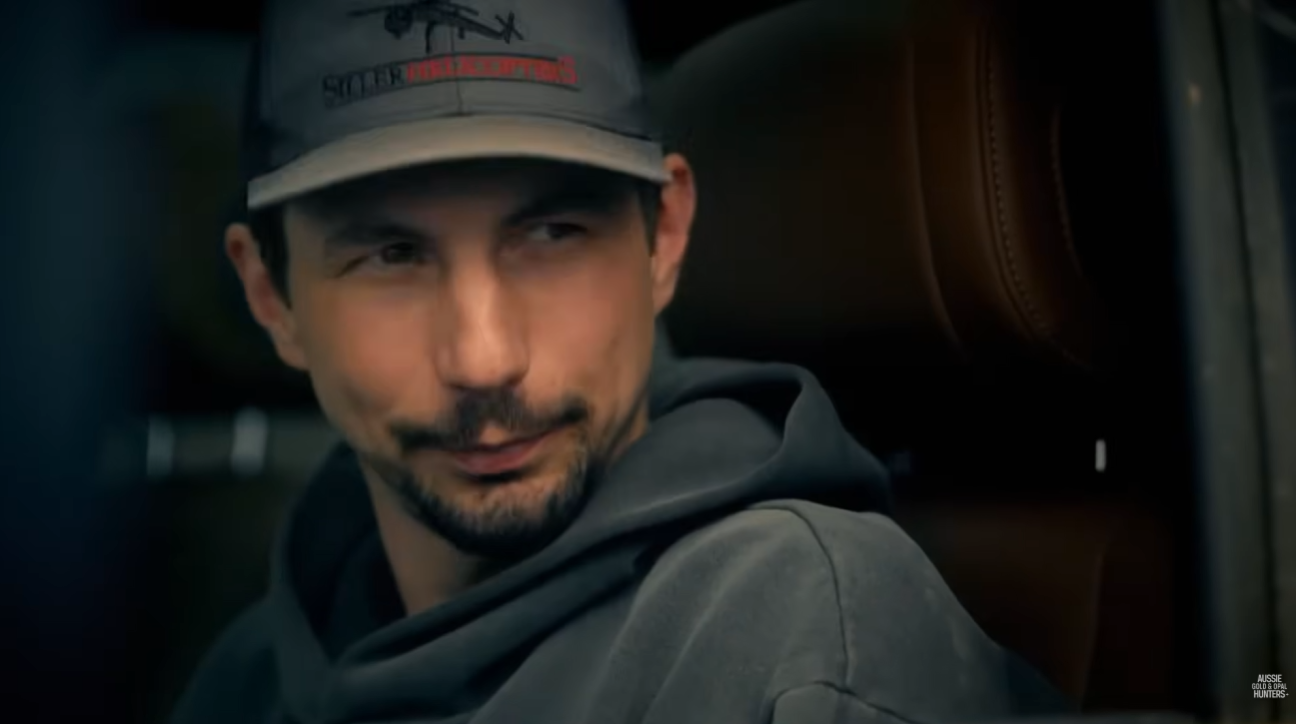
Parker Schnabel has never built his mining business on blind optimism. For years, his approach in the Yukon has been defined by caution, disciplined spending and a determination to keep enough money in reserve to survive the brutal swings of the gold business. That is what made his latest move feel so different.
This season, Schnabel committed nearly everything he had to buy Dominion Creek, a vast gold property carrying an enormous promise and an equally enormous risk. The price tag was $15 million. The projected reward, according to estimates tied to the ground, could be as much as $160 million in gold. But in the early weeks of the season, that bold decision looked less like a masterstroke and more like the kind of move that could bring his entire operation to the edge.
Seven weeks into the mining season, Parker had not sluiced a single ounce. His crew was split across three separate sites. His equipment was breaking down with alarming regularity. Costs were mounting by the day, and every hour of delay pushed the operation deeper into the red.
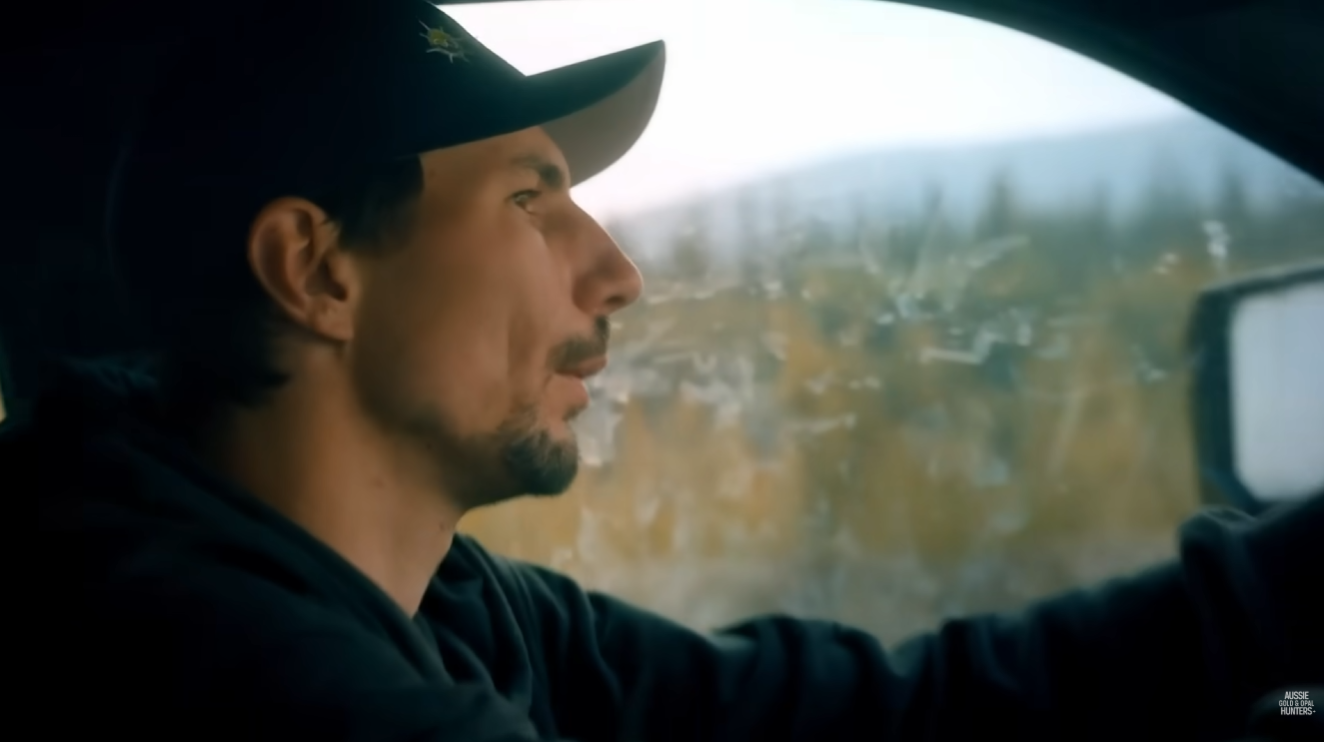
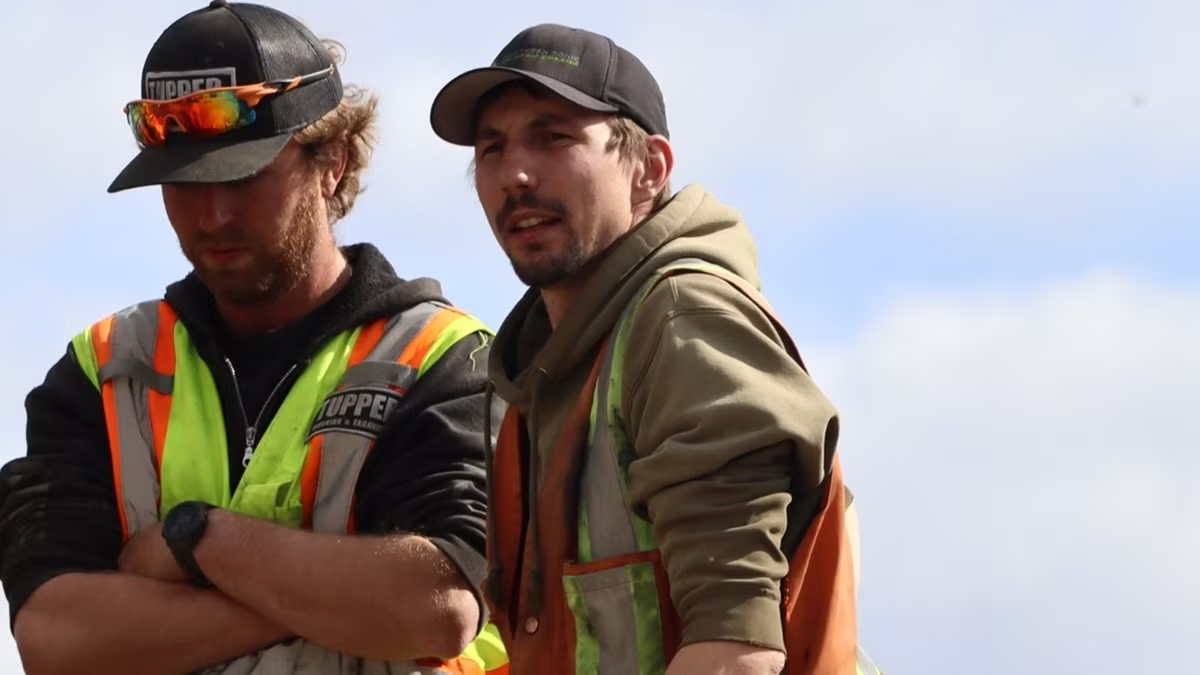
At El Dorado, Tyson Lee was preparing wash plant Slucifer for its first run. At Dominion Creek, Mitch Blaschke was overseeing stripping work in the huge Money Pit cut, a 40-acre area that testing suggested might eventually produce 3,000 ounces. At Australia Creek, another part of Parker’s expanding empire was swallowing labour, fuel and machinery before any meaningful return had begun to appear.
The scale of the pressure was clear even within Parker’s own camp. Mitch summed it up bluntly when he said he would not want to be Parker’s checkbook. The reason was obvious. Everything was flowing out, and nothing was coming back in.
The machinery problems only added to the strain. One of the season’s most remarkable moments came when mechanic Jordan Saunders effectively built a working D11 dozer from the remains of several damaged machines. Combining parts from multiple broken dozers, he assembled what quickly became known as a Franken-dozer — a patched-together machine that, against all expectations, worked. In an industry where a new D11 can cost around $2 million, it was the kind of improvisation that may prove vital by the end of the season.
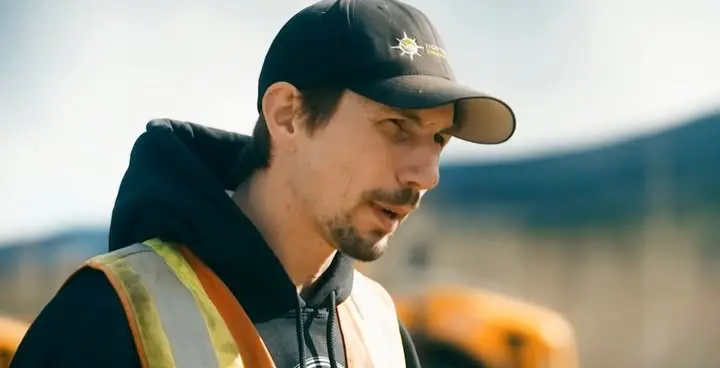
But even with inventive bush fixes and stubborn determination, the Yukon remained unforgiving. Rising temperatures turned cuts into swamps. Trucks lost skid plates. Loaders slid off roads. Rip cylinders snapped. Every setback drained money and time. For Parker, who needed 5,000 ounces this season to justify the Dominion purchase, the early weeks brought very little reassurance.
Yet the season began to shift.
The first major turning point came at El Dorado, where Tyson Lee pulled off one of the most dangerous and impressive moves of the year. Using a 75-ton excavator and two steel cables, he hauled the 80-ton wash plant Slucifer 150 yards uphill onto a steep wash plant pad. The risk was obvious. One failed cable could have sent the entire machine crashing back down the slope. But Tyson delivered the move cleanly, and Parker’s season finally felt as if it had truly begun.
Even then, results were mixed. The first gold weigh at El Dorado came in below target, and another equipment issue quickly threatened momentum. But the deeper breakthrough arrived at Dominion Creek.
Once Big Red, Parker’s flagship wash plant, was brought online at the Money Pit, the ground began to answer back. In less than two days, running what was effectively ditch dirt rather than the main pay layer, Big Red recovered 118 ounces of gold worth more than $230,000. The result was almost double what drilling projections had suggested.
That number changed the mood instantly.
If the margins of the cut were running that rich, then the main pay could be significantly better. For the first time since signing the cheque for Dominion Creek, Parker had visible proof that the purchase might not simply work — it might transform his long-term future in the Klondike.
The wider operation responded as well. Chris Doumitt continued recovering extra gold from leftover tailings, squeezing value out of material others would have discarded. Combined with production from El Dorado and Dominion, Parker’s weekly total surged. Instead of hovering around 200 ounces, his two wash plants pushed the season toward nearly 400 ounces in a single week. His running total climbed past 1,300 ounces.
That does not mean the pressure has gone. Far from it. Parker still has a massive target to hit, expensive equipment to keep running and multiple sites that can go wrong in an instant. The real pay layer at Dominion Creek remains largely untouched. The Yukon still has months of bad weather, mechanical failures and costly surprises left to throw at him.
Around him, the wider Gold Rush picture remains harsh. Tony Beets is struggling to balance Paradise Hill and Indian River while frozen ground, licensing limits and broken screening equipment slow his campaign. Rick Ness is fighting a far more personal battle, trying to keep his comeback alive with limited equipment, mounting debt and a fragile operation that still sits on the edge of collapse. Fred Lewis, by contrast, appears to have reached the end of his Yukon chapter after his ground failed to deliver.
That broader context makes Parker’s position even more striking. Gold mining does not reward effort alone. It rewards the ground that pays back. After a nervous and punishing start, Dominion Creek is finally beginning to suggest it may be exactly the kind of ground Parker was counting on.
For now, the numbers are moving in the right direction. The machinery is running. The crew can see a path forward. And the $15 million purchase that once looked dangerously exposed is starting to resemble one of the boldest and smartest decisions Parker Schnabel has ever made.
