Jeremy Clarkson Expresses Relief After Overcoming 7-Month Health Scare on Diddly Squat Farm

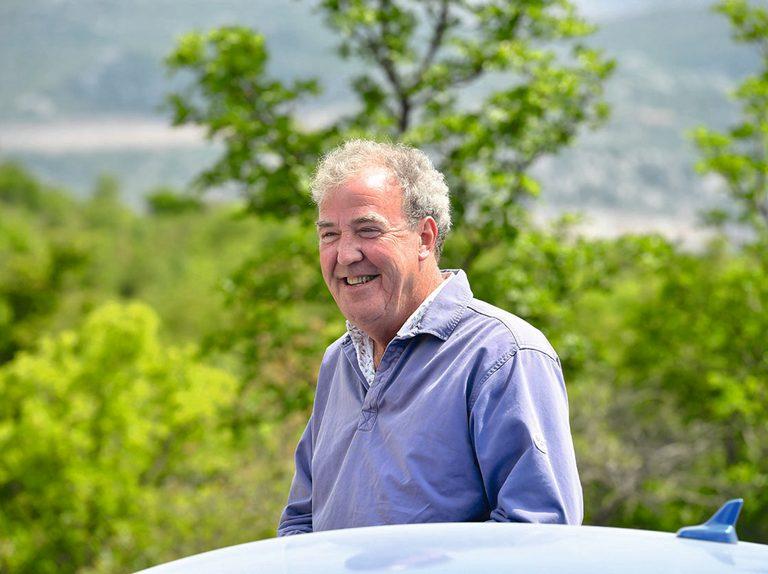
Jeremy Clarkson has revealed his relief after a 7-month scare about the health of his livestock.
The 65-year-old farmer from Chipping Norton was forced to put his Diddly Squat into lockdown in August last year.
A case of tuberculosis (TB) had broke out among his herd of cows, with the Top Gear and Grand Tour star initially warning of a two-month lockdown.
However, in his column for The Sun, he revealed this has now finally been lifted on his Chipping Norton farm.
He said: “After seven months of lockdown, Diddly Squat farm became officially TB-free this week.
“But before we had a chance to celebrate, we found out that one of our donkeys has laminitis and must be put down.
“In farming, it seems you are allowed one bit of good news, but it must always be accompanied by some kind of disaster.”
Cattle which fail a TB test, or animals that have inconclusive results for two consecutive tests, are classed as “reactors”, and must be isolated and slaughtered.
Bovine TB is recognised as a problem which devastates farm businesses and is mainly spread through close contact when cattle breathe in droplets of mucus containing Mycobacterium bovis bacteria exhaled from an infectious animal.
Badgers can carry the disease and culling has long been a part of the Government response to the crisis, despite criticism from wildlife and animal welfare campaigners, such as Queen guitarist Sir Brian May.
The Government said in June it will not be extending the badger cull and retains its commitment to end the practice before the next election.
Oxfordshire is an “edge area” for bovine TB, meaning it is a buffer zone between high risk and low risk areas, so most herds are subject to six-monthly TB tests by default.
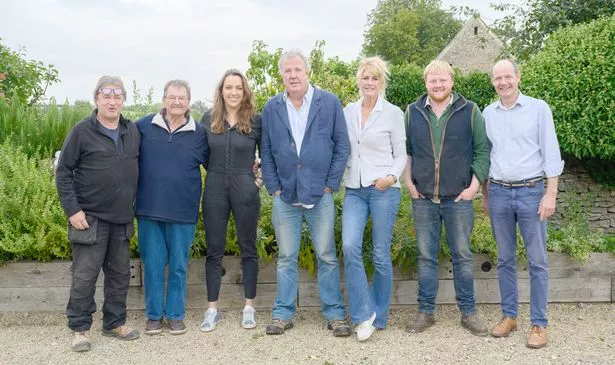
The every-day running of Clarkson’s farm is documented in a Prime Video series, which first aired in 2021, and brings to light common problems faced by British farmers.
Mr Clarkson has become a vocal supporter of farmers and attended a protest in London against the Government’s move to introduce inheritance tax on farmland in November 2024.
Efforts to control the disease cost taxpayers an estimated £100 million a year, while hundreds of thousands of badgers and cows have been compulsorily slaughtered to stem its spread, prompting fierce criticism from wildlife campaigners.
Professor Sir Charles Godfray, from the University of Oxford, said: “We think it’s absolutely essential that the disease control is co-owned by all the stakeholders involved – so government, industry, but also the wildlife NGOs – the people who care so much about the wildlife reservoir.”