Veteran miner Tony Beets is accelerating operations at Paradise Hill, but growing tensions within his workforce are beginning to reveal the challenges of scaling up too quickly in the Klondike.
With a seasonal target of 6,500 ounces, Beets has already produced around 1,400 ounces from his Early Bird cut using a single wash plant. The strong start has prompted him to expand aggressively, opening new ground in what is expected to become his largest cut yet.
The focus now shifts to the Corner Cut, a vast 46-acre site located east of the initial operation. The plan is ambitious: strip a 10-acre section of overburden, roughly 10 feet deep, within a tight timeframe. For Beets, preparing new ground quickly is essential to maintaining momentum.
Open ground is better than money in the bank has long been his philosophy, and he is determined to keep equipment moving and avoid downtime at all costs.
However, the expansion has exposed a critical weakness—an influx of inexperienced workers struggling to meet the demands of a high-pressure mining environment.

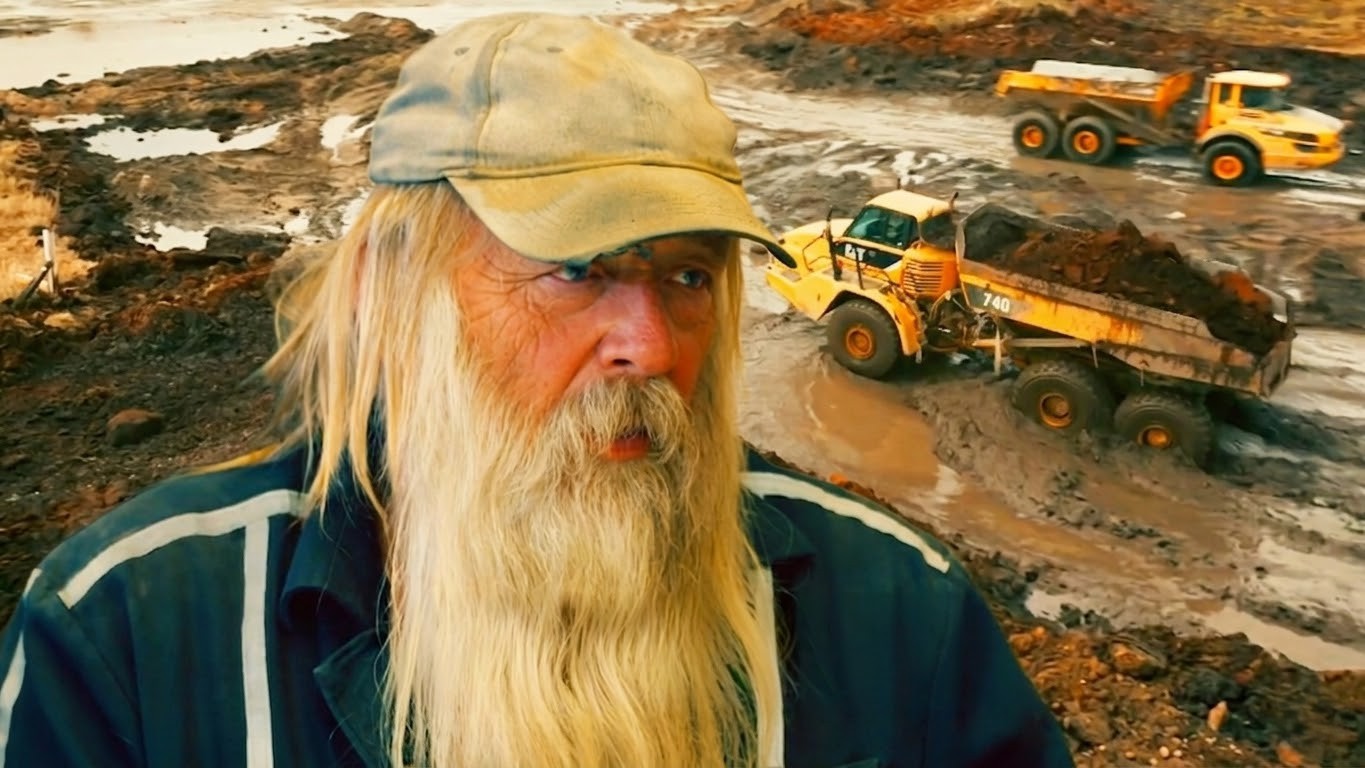
During operations at the Corner Cut, Beets was forced to intervene repeatedly as rookie drivers mishandled heavy rock trucks across unstable, waterlogged terrain. The mistakes were not minor. Driving through unsafe sections and ignoring instructions risked not only costly equipment damage but also crew safety.
At one point, Beets personally directed traffic in the cut, visibly frustrated by what he saw as a lack of awareness and discipline among new hires. His management style, direct and uncompromising, reflects years of experience in an industry where errors can carry serious consequences.
The situation escalated further when two drivers ignored a clear instruction to stop and wait. One of them continued working without authorisation, prompting Beets to take immediate action. The driver was ordered to park the truck and leave the site, reinforcing the zero-tolerance approach he applies when safety and control are at risk.
The incident highlights a broader issue facing the operation. Rapid expansion requires additional manpower, but integrating new workers into a high-risk environment has proven difficult. Even within the team, concerns have emerged about the level of training provided to recent hires.

Conversations among senior crew members suggest that the behaviour of some workers has been unpredictable, with reports of unsafe conduct adding to the tension. In one instance, concerns were raised about a driver operating equipment under the influence, a situation described as particularly dangerous given the scale and power of the machinery involved.
Despite these challenges, production remains strong. The Early Bird cut continues to deliver consistent results, with weekly gold totals averaging around 250 ounces. In one recent weigh-in, the operation achieved a standout result of 467.8 ounces—valued at over $1.5 million—demonstrating the potential of Beets’ aggressive strategy when conditions align.
Yet the contrast between strong output and operational strain is becoming increasingly clear.
While Beets pushes forward with expansion, the pressure on his crew continues to build. Managing multiple sites, training new workers, and maintaining safety standards all at once has created a complex balancing act.

For Beets, stepping back is not an option. His approach remains rooted in constant movement—stripping ground, opening new cuts, and keeping wash plants running. But the current situation suggests that growth without control carries its own risks.
As the Corner Cut develops and more ground is brought into production, the effectiveness of his strategy will depend not only on the richness of the pay dirt, but also on the reliability of the team executing it.
The coming weeks will be critical. If the crew can adapt and stabilise, the expansion could position Beets for a strong season. If not, the combination of inexperience and high expectations may begin to slow progress at a time when consistency is essential.
For now, the operation stands at a crossroads—driven by ambition, but tested by the realities of managing a rapidly growing workforce in one of the toughest mining environments in the world.
