New Discoveries in Oak Island Swamp Suggest Man-Made Structures Beneath the Surface

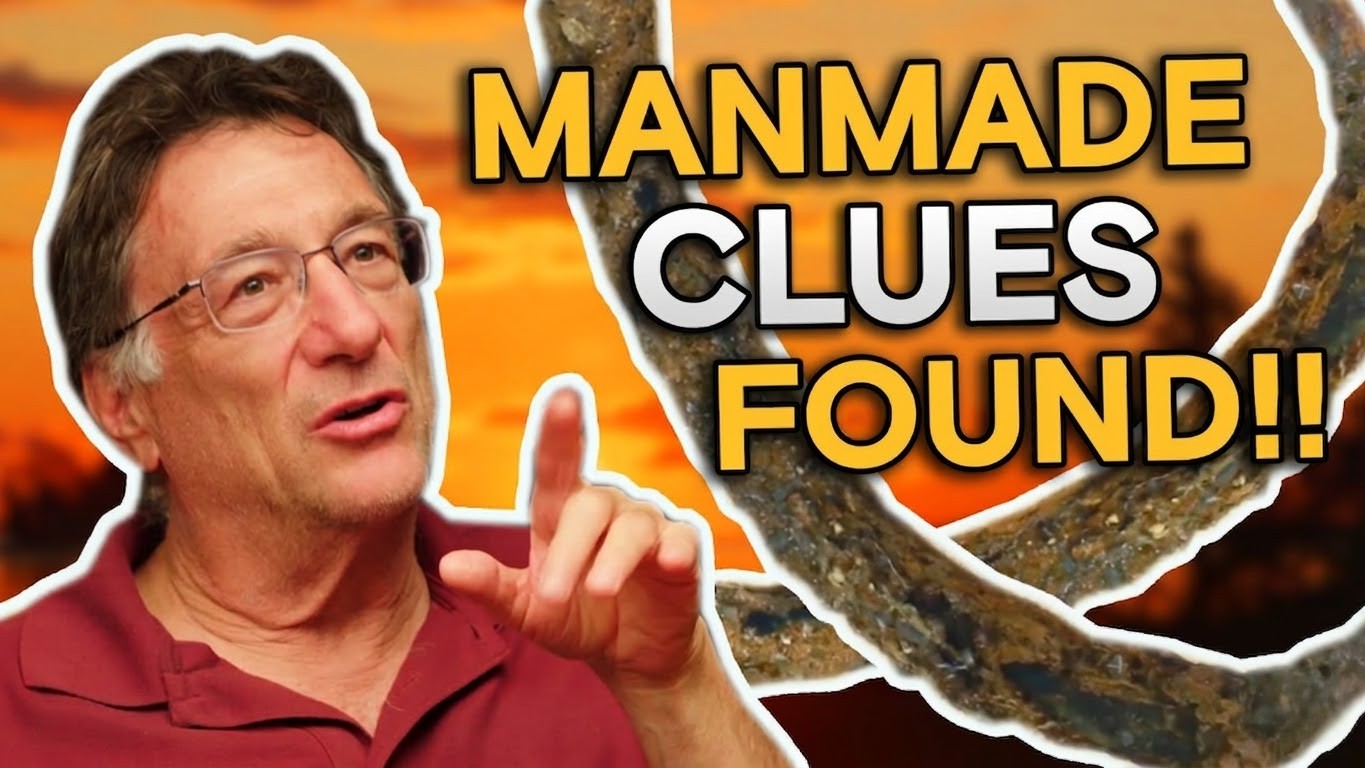
A series of new discoveries on Oak Island is adding fresh momentum to one of the longest-running treasure searches in modern history, as Rick and Marty Lagina and their team uncover what may be evidence of deliberate construction beneath the island’s swamp.
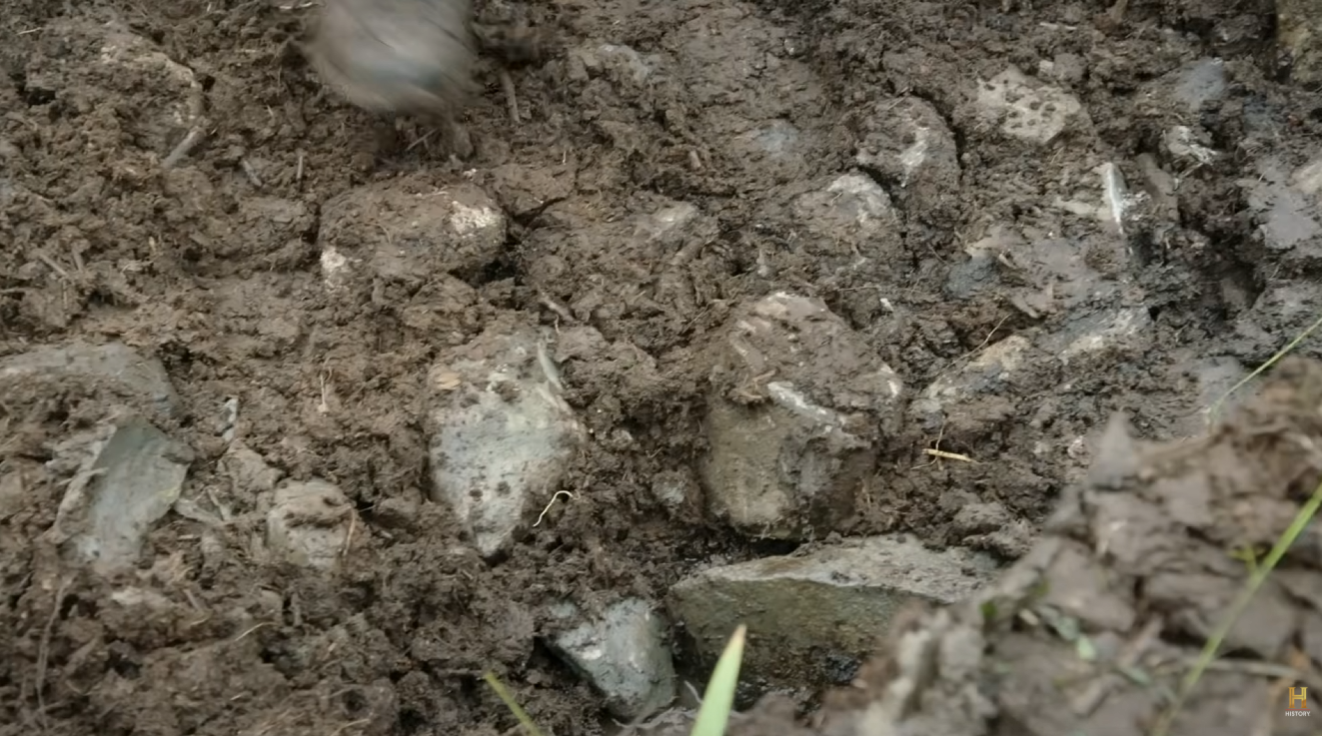
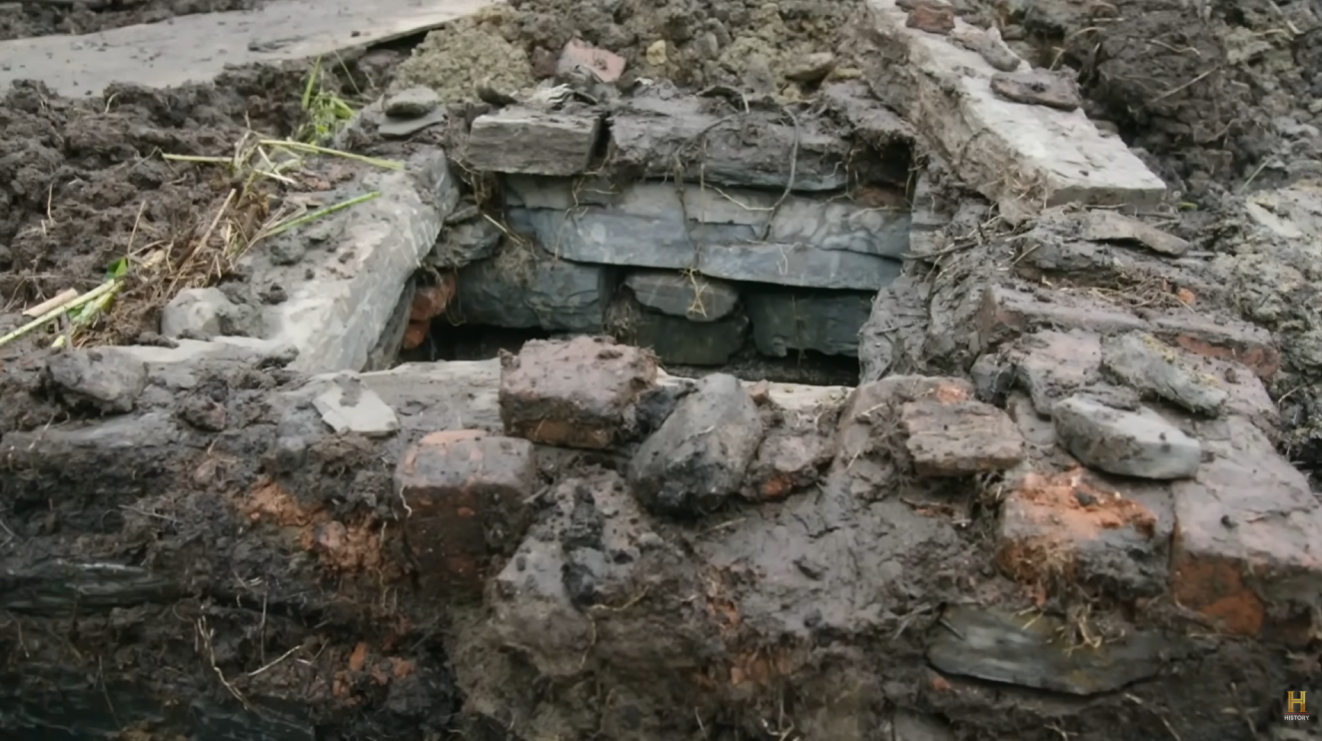
The latest findings come from the northern section of the triangle-shaped swamp, where investigators have identified what appears to be a stone pathway alongside a small, vault-like structure buried beneath layers of sediment. Early observations suggest that both features are unlikely to be natural formations, raising new questions about who may have built them and for what purpose.
Team members noted the uniformity of the stones used in the pathway, pointing out that their consistent size and tight arrangement would be unusual in a naturally occurring environment. The structure itself, partially submerged and concealed for decades, has drawn particular attention due to its defined shape and apparent function as an enclosed space.
Initial excavation of the site has already yielded several intriguing objects. Among them are metal fragments, including what may be a handle or crank mechanism, as well as a pipe and a hook. Laboratory analysis suggests that some of these items date back to the late 1700s, while others may belong to the early 19th century.
This timeline is significant. While historical records show that landowner Anthony Graves occupied the area during the mid-1800s, the presence of earlier artifacts indicates that activity on the site may predate his ownership. That raises the possibility that the structure was not originally built by Graves, but rather discovered or repurposed by him.
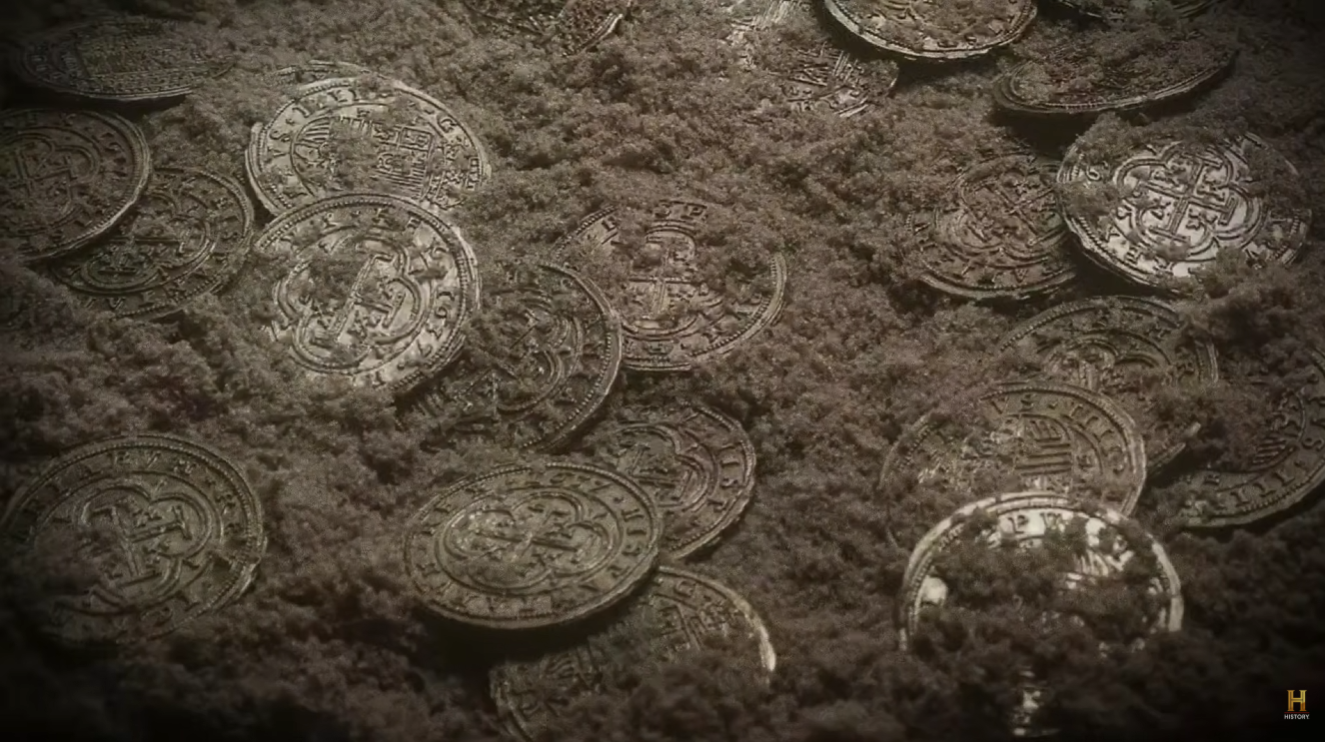
The theory aligns with longstanding accounts that Graves may have uncovered a cache of Spanish silver coins on the island, although no definitive evidence has ever confirmed the story. If the vault-like feature is connected to such findings, it could represent a hidden storage site designed to protect valuable materials.
Further strengthening the case for human intervention is the discovery of a wooden survey stake in the swamp—an object closely matching descriptions from earlier investigations. Previous research conducted in the late 20th century identified similar stakes in the area, some of which were carbon-dated to the 16th century.
These stakes were believed to form part of a larger system used to mark out a significant construction project, leading to the theory that Oak Island’s swamp may have been artificially created. The idea suggests that what appears today as a natural feature could, in fact, be the result of deliberate engineering.
For the Lagina team, such findings are more than isolated clues. They contribute to a growing body of evidence that the island’s landscape may have been shaped with a specific purpose in mind—possibly to conceal something beneath it.
Attention is also shifting back to the Money Pit area, where advanced scanning technology has identified potential underground voids and anomalies. Using a combination of high-resolution cameras and sonar mapping, the team has begun exploring a deep cavern known informally as Aladdin’s Cave.
Preliminary imaging suggests that the cavity may extend further than initially thought, with possible openings or passageways leading into it. While visibility remains limited due to sediment and structural obstacles, researchers believe that additional drilling could provide a clearer view of what lies below.
The possibility that these underground features are connected—linking the swamp, the stone pathway, and deeper chambers—has become an increasingly central focus of the investigation.
For now, the team is proceeding cautiously. Each new discovery brings not only excitement, but also complexity. Determining the origin, age, and purpose of these structures requires careful analysis, and conclusions remain tentative.
Yet the direction of the search is becoming clearer.
What once appeared to be scattered clues are beginning to form a pattern—one that points toward coordinated activity rather than random occurrence. If confirmed, it would mark a significant shift in understanding the Oak Island mystery, suggesting that the island may have been intentionally designed to conceal something of value.
As excavation continues, the challenge will be to move deeper while preserving the integrity of the site. For the Lagina team, the objective remains unchanged: to uncover the truth behind centuries of speculation.
And with each layer removed, that truth may be closer than ever.