Schnabel is making a quieter, more personal shift that may ultimately shape his future more than any gold total.

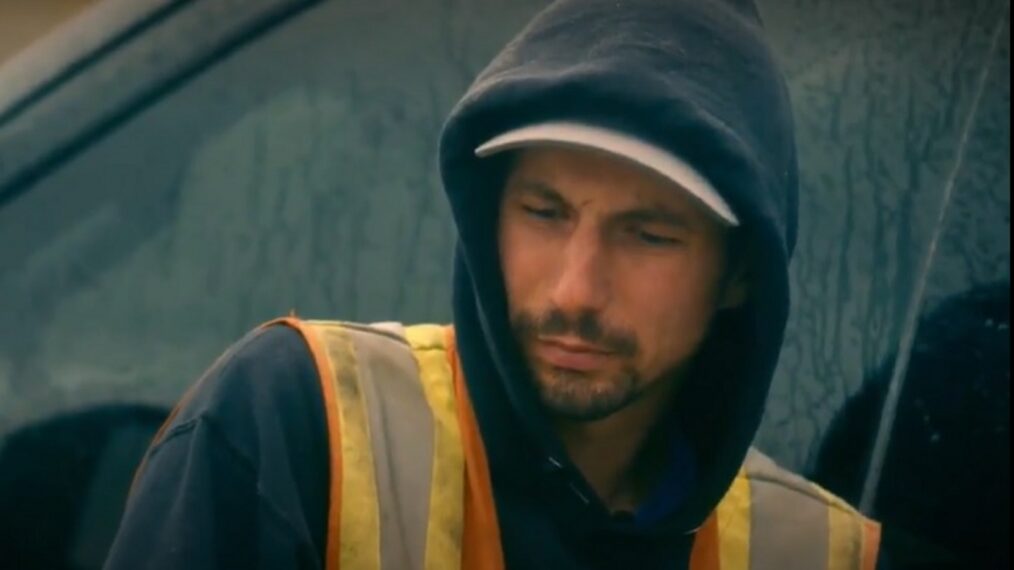
In the high-pressure world of gold mining, few figures have defined a generation quite like Parker Schnabel. But in 2026, the long-time face of Gold Rush is navigating a moment that extends far beyond production targets and machinery. As his mining operation reaches its most ambitious scale yet, Schnabel is also making a quieter, more personal shift—one that may ultimately shape his future more than any gold total.
At just 31, Schnabel is overseeing what is widely regarded as the most complex season of his career. His Dominion Creek operation spans roughly 10,000 acres, supported by four active wash plants and a workforce operating across multiple sites. The financial stakes are significant: daily running costs are estimated between $200,000 and $250,000, while his seasonal target sits at 10,000 ounces—valued at approximately $35 million at current gold prices.
The numbers alone are striking. By mid-season, Schnabel had already surpassed 5,800 ounces, with earnings exceeding $23 million. Strong weekly yields—including one haul of over 800 ounces—have demonstrated the scale and efficiency of his operation. Yet behind these figures lies a reality that is far less straightforward. Mechanical failures, including a major breakdown at the Roxanne wash plant, have tested his team’s resilience. Environmental pressures, from expiring water licenses to wildfire threats across the Yukon, have added further uncertainty.
In one notable decision, Schnabel chose to temporarily shut down parts of his operation to prioritise long-term site preparation—an approach that reportedly cost hundreds of thousands of dollars in short-term output. It was a move that underscored a broader philosophy: sustainability and planning now outweigh immediate gains.
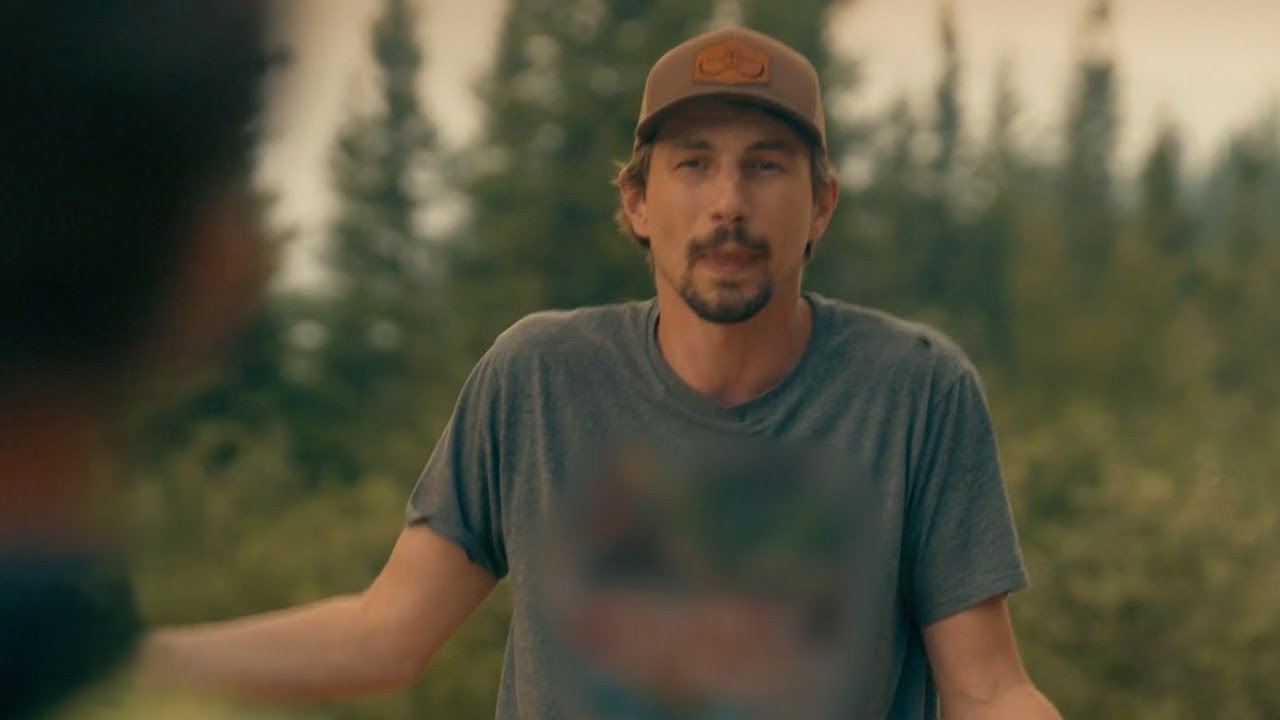
But while the mining story remains compelling, it is Schnabel’s personal perspective that has drawn increasing attention. In recent interviews, he revealed a growing desire to separate his identity from the television persona that has followed him since he joined Gold Rush at the age of 16.
“I’m probably just going to keep my personal life private,” he said, signalling a clear shift in how he approaches public life. After more than 15 years on screen, Schnabel has begun to draw a firm line between the version of himself seen by audiences and the individual behind it.
This change comes alongside a candid admission: despite his success, Schnabel describes himself as lonely. He has spoken openly about the challenges of maintaining relationships within the demanding structure of his career. Months spent in remote mining locations, combined with the intensity of the work, leave little room for a conventional personal life.
He has also acknowledged a longer-term concern—that the timeline of his career may not align with his hopes of starting a family. “I do hope to have a family,” he noted, adding that he suspects the show may conclude before that chapter of his life begins.
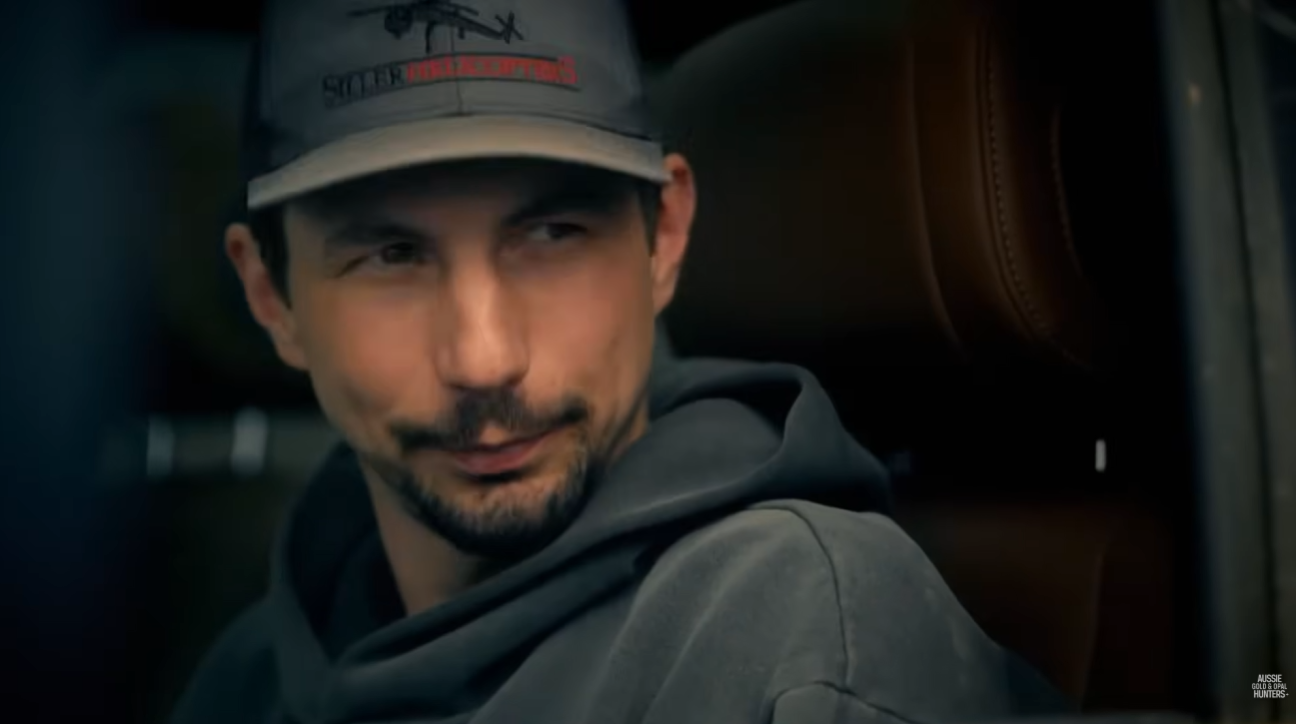
These reflections mark a notable evolution for a figure who has long been defined by output and ambition. From his early days learning under his grandfather, John Schnabel, to building a multi-million-dollar operation in the Klondike, his story has largely been one of relentless focus. Now, there are signs that the balance is shifting.
Importantly, Schnabel is not stepping away from mining, nor is he distancing himself from the show that brought him global recognition. Instead, he appears to be recalibrating—continuing to push forward professionally while reclaiming control over his personal narrative.
That dual direction is perhaps what defines this moment most clearly. On one hand, Schnabel is operating at the peak of his capabilities, managing a business that demands constant decision-making and financial discipline. On the other, he is stepping back from the public gaze, choosing what to share and what to keep private.
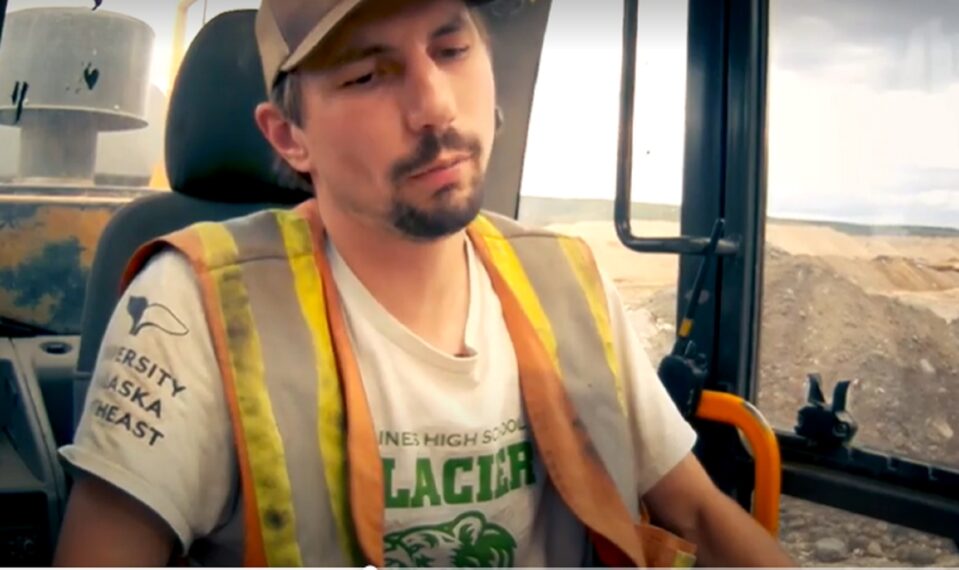
It is a transition that reflects both maturity and experience. Having spent his formative years in front of cameras, Schnabel is now navigating what it means to build a life beyond them. The distinction between work and identity—once blurred—is becoming increasingly deliberate.
For viewers of Gold Rush, this adds a new layer to the story. The numbers, the machinery, and the weekly weigh-ins remain central. But behind them is a more complex narrative: one of a man redefining success not just in ounces, but in how he chooses to live.
As the 2026 season continues, Schnabel’s operation may well reach its ambitious targets. Yet the more significant development may be unfolding off-screen. After years of being defined by the grind of the Klondike, he is beginning to define himself on his own terms.
And for the first time in his career, that may be the most valuable shift of all.