Oak Island Team Uncovers New Clues on Lot 8 as Swamp Theory Gains Fresh Weight


A new day of excavation on Oak Island has produced another potentially important development, as the team investigating the stone feature on Lot 8 uncovered fresh signs that the structure may have been deliberately built and sealed rather than formed naturally.
The latest work focused on the cradle-shaped arrangement of stones found beneath a massive boulder on Lot 8, an area that has steadily become one of the most intriguing parts of the island this season. Archaeologist Fiona Steele told members of the team that once a third layer of stones had been removed, they began encountering a material resembling mortar or cement, suggesting the rocks may have been intentionally fixed in place. That discovery added to earlier signs of deliberate construction, including hand-worked blue clay and tightly packed supporting stones beneath the larger feature.
The practical importance of that finding is clear. If the stones were deliberately sealed, it becomes much harder to argue that the formation is simply the result of random geological processes. Instead, the evidence begins to point toward engineering, planning and purpose. Steele also noted that the team had identified three distinct materials within the feature: a fine powder-like substance, a blue-grey clay and a more cement-like mortar concentrated toward the north end. Samples have now been taken for further analysis, including comparison with clay previously found in the Money Pit area.
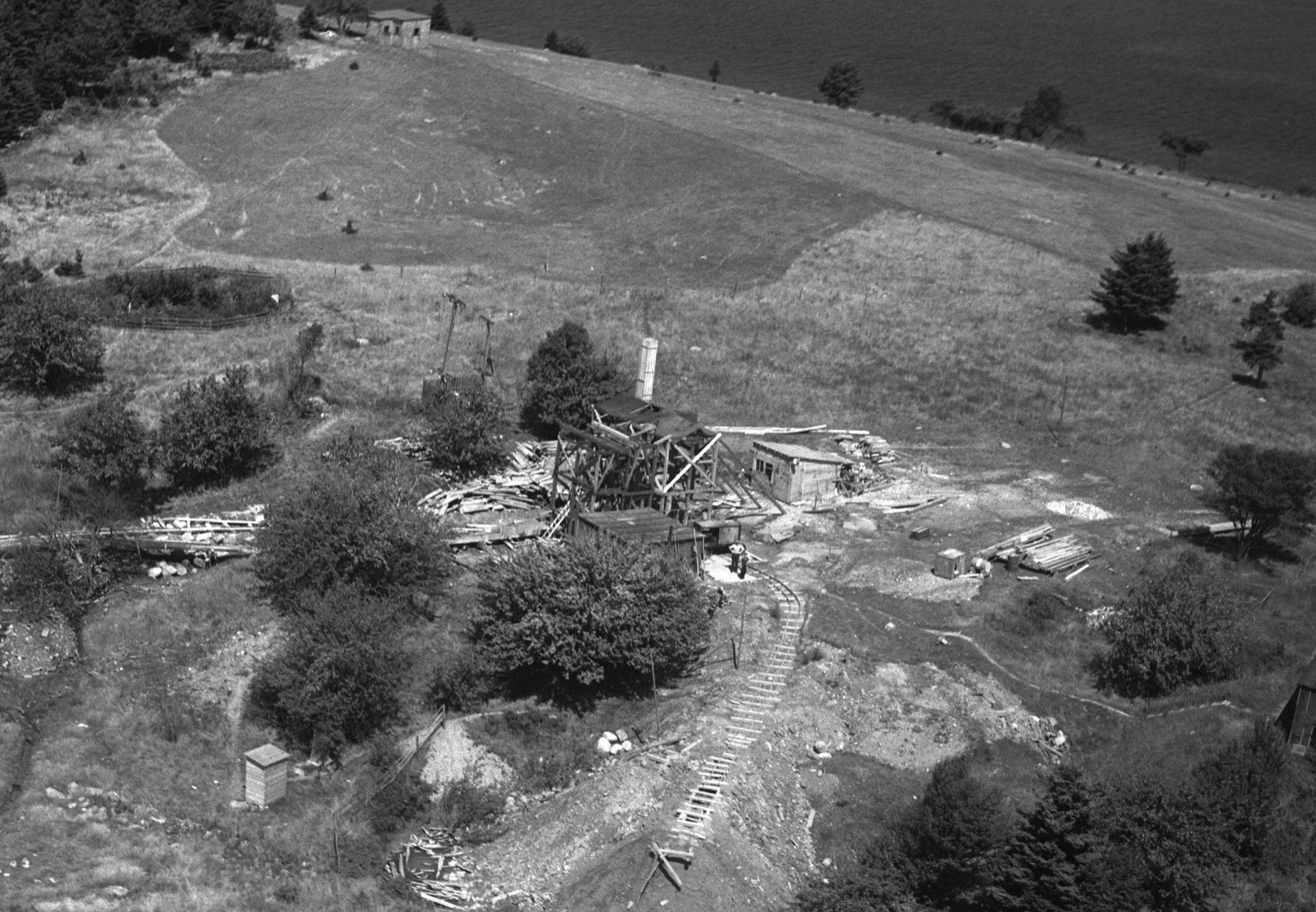
That comparison may prove especially significant. According to Steele, the blue-grey clay found at Lot 8 appears similar to the puddling clay associated with the Money Pit. If laboratory work confirms a match, it could strengthen the idea that separate locations across Oak Island were constructed or modified using related methods. That would not prove who built them, but it would support a broader theory that the island’s major features may belong to a single system rather than isolated episodes of activity.
The team also removed smaller pinning stones from around the formation, revealing darker organic-looking material beneath. Alex Lagina was able to lift one of the large stones, showing that the arrangement extended deeper than first thought. Steele said the next step would be a careful bisection of one side of the feature to better understand how it was constructed and to recover additional soil samples from underneath. For Rick Lagina and others observing the dig, the central question remains the same: if humans made this, what was it for, and how does it connect to the wider mystery?
While attention remained fixed on Lot 8, another strand of the investigation continued on Lot 5, where Laird Niven and other members of the archaeological team returned to the rounded stone foundation. There, a small metal object with a visible pattern was recovered during excavation. The item may appear minor on its own, but the location has already produced notable finds in the past, including beads and buttons, one of which was previously linked to recycled arsenical bronze from the medieval period. That context means even a tiny fragment can carry broader importance if testing reveals unusual composition or age.
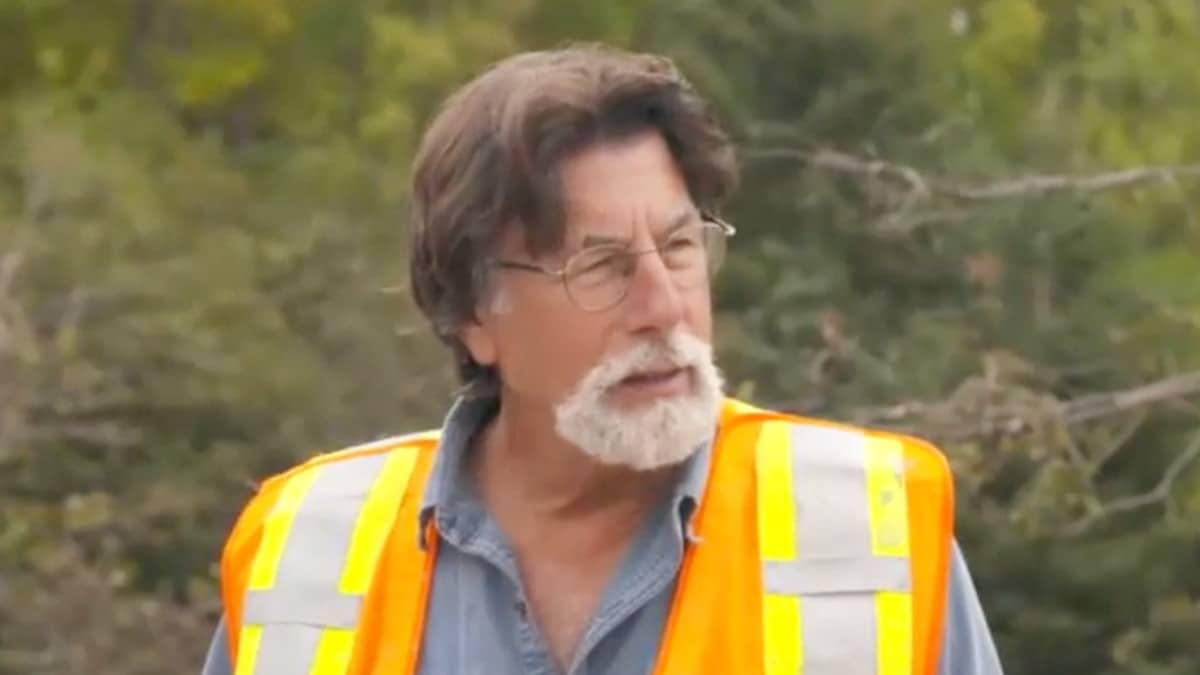
The work on Lot 5 reinforces a theme that has become increasingly important this season. Rather than chasing only one dramatic target, the team is building a layered picture of activity across the island. The more artefacts and structural clues they find in separate locations, the stronger the argument becomes that Oak Island supported repeated human presence over a long period of time.
That wider interpretation was also the focus of a new war room meeting, where Rick and Marty Lagina joined researchers and outside experts to consider fresh archaeoastronomical analysis linked to France. The discussion centred on researcher Charlotte Wheatley’s theory that three medieval churches near Talmont-sur-Gironde on France’s west coast align toward Oak Island. Professor Adriano Gaspani, after comparing those locations with structures on the island, concluded that the axes of the churches would indeed intersect with Oak Island. The team also heard that the alignments may correspond to stellar markers including Sirius, the Pleiades and Hamal.
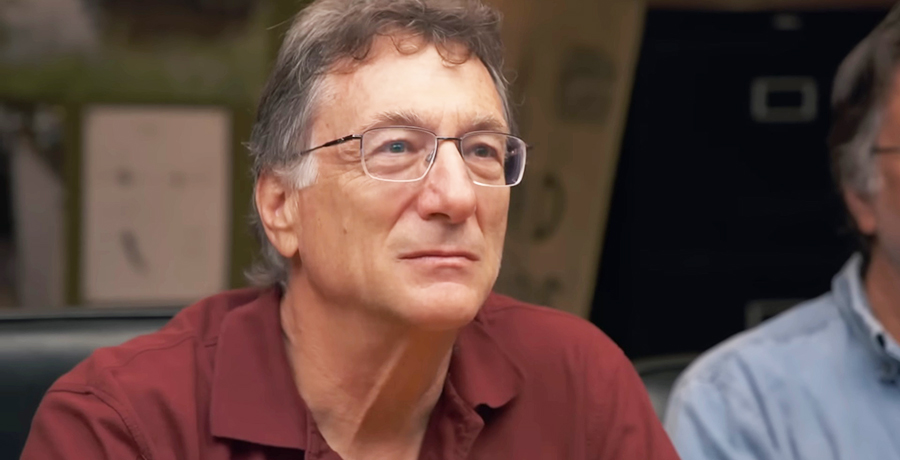
For the fellowship, this was not just an abstract exercise. The significance lies in how closely the findings appear to overlap with ideas long associated with Zena Halpern’s map, which proposed a Templar-linked route to Oak Island. Team members suggested the growing body of clues could point to activity beginning as early as the late 1100s or early 1200s, with the possibility of repeated visits over generations. While that remains a theory rather than a settled conclusion, the researchers made clear that such a timeline would once have seemed easy to dismiss and now feels harder to ignore.
Taken together, the day’s findings do not solve Oak Island. But they do push the investigation in a more coherent direction. On Lot 8, physical evidence is increasingly suggesting deliberate construction beneath the boulder. On Lot 5, another artefact has emerged from a zone already rich in signs of past activity. And in the war room, the team believes new research may connect the island to a wider medieval framework across the Atlantic.
For a mystery often shaped by fragments, patterns and persistence, that combination may matter more than any single discovery. Oak Island’s story has always depended on whether separate clues can eventually be read as parts of one design. This week, the team appears to believe that possibility has moved one step closer.