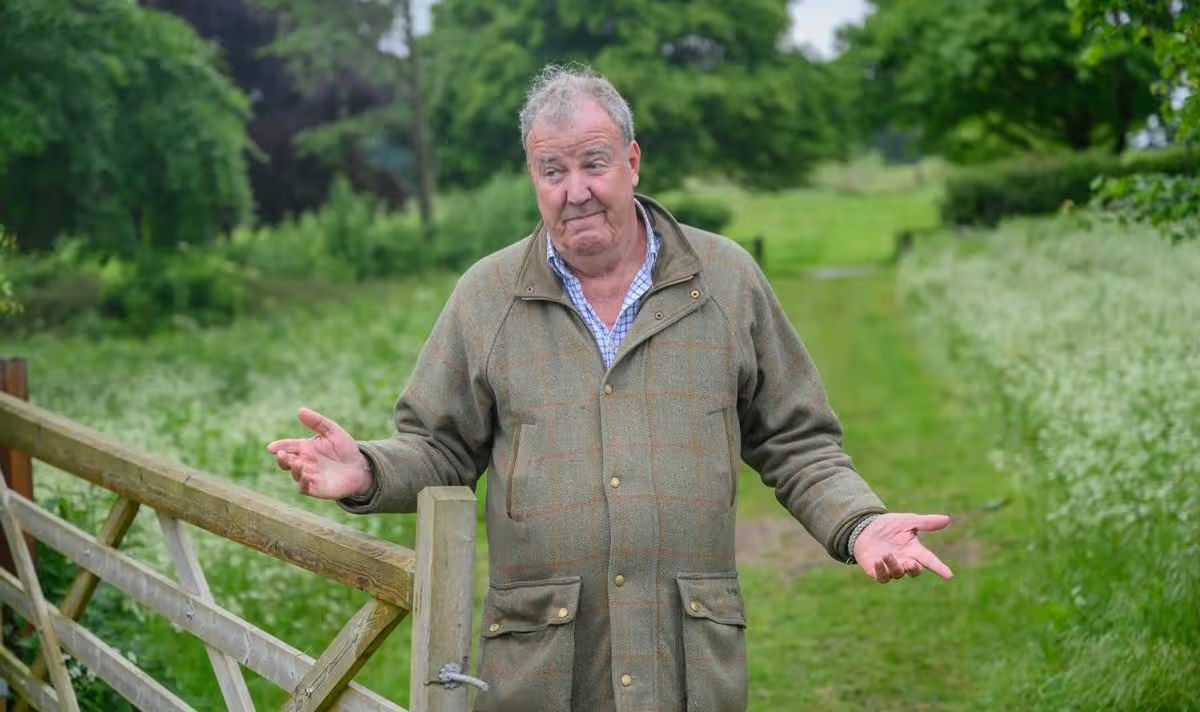
Springwatch presenter Michaela Strachan has offered warm praise for Jeremy Clarkson’s impact on public understanding of farming, saying his work on Clarkson’s Farm has helped shine a light on the realities facing British farmers, even though she admitted the series is not one she personally watches.
Strachan, one of British television’s most recognisable wildlife presenters, made the remarks during an interview in Oxfordshire, where Clarkson has become a prominent local figure through both his Diddly Squat farm and his nearby pub venture. While the two presenters are known for very different styles of broadcasting, Strachan made clear that she sees real value in the way Clarkson’s Farm has brought agricultural issues into mainstream conversation.
Clarkson’s Farm, which follows the former Top Gear host as he navigates the demands of running a working farm in the Cotswolds, has become one of Prime Video’s most talked-about factual entertainment series. Since its launch, the programme has won praise from many viewers for highlighting the pressures farmers face, from unpredictable weather and rising costs to bureaucracy, livestock management and the uncertain economics of modern rural life.
Although Strachan said she has never sat down to watch the programme herself, she was quick to acknowledge its wider cultural effect. In her view, the show has played an important role in helping audiences better understand just how difficult farming can be. That recognition is notable coming from a broadcaster whose own career has long centred on explaining the natural world to family audiences.
For more than a decade, Strachan has been a familiar face on Springwatch, the long-running BBC nature series that has brought wildlife stories from across Britain into millions of homes. Over the years, she has also become closely associated with programmes such as The Really Wild Show and Wide Awake Club, building a career defined by energy, warmth and a clear passion for the environment.
Her comments on Clarkson came during a busy period in her own career. Strachan recently finished as runner-up on ITV’s Dancing on Ice, where she competed with professional skating partner Mark Hanretty. The series introduced her to a different kind of audience and showed another side of a presenter who has spent much of her television life immersed in wildlife and natural history programming.
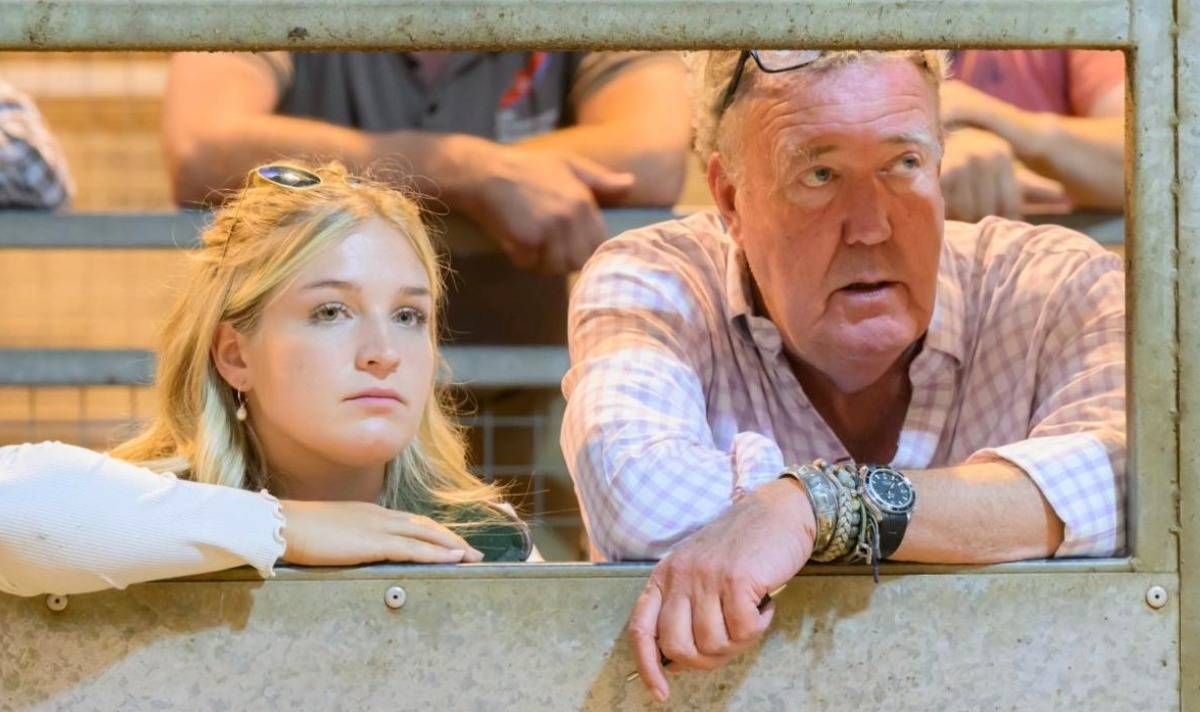
At the same time, she is preparing to embark on her live tour, Not Just a Wild Life, which is set to begin next month. The show will include a stop in Newbury on Wednesday, April 29, and promises to draw on the remarkable archive Strachan has built up over the course of her career. Speaking about the tour, she described the process of putting it together as both exciting and demanding.
According to Strachan, one of the biggest challenges has been sorting through years of old footage collected during a long career in television. Much of that material, she explained, has been stored away in her garage, with some of it still on VHS tapes. Revisiting that archive has taken months, not only because of the sheer volume of material involved, but because of the difficulty of deciding what should make it into the final show and what should be left behind.
That task, she suggested, has been one of the hardest parts of the preparation. With such a long and varied broadcasting career behind her, narrowing it all down into a single live production has required careful thought. The result, however, is something she says she is genuinely excited about, offering audiences the chance to revisit key moments from her career and to hear more about the experiences behind them.
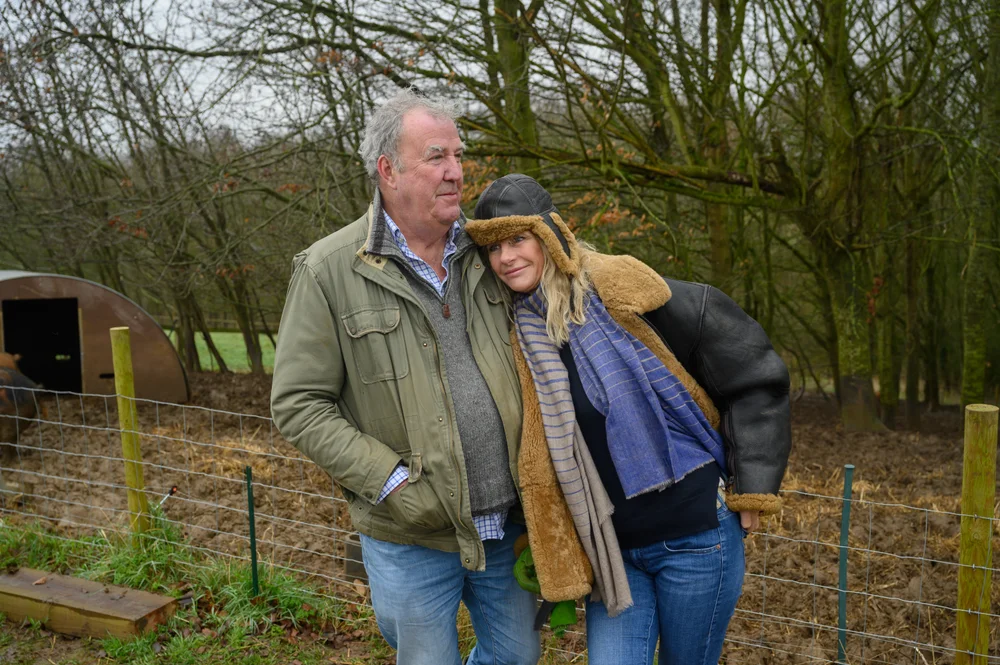
Strachan also has a connection to Oxfordshire through her family, supporting Oxford United because her son works at the club. That local link added another layer to her reflections on Clarkson, who has become a highly visible figure in the county through both his farming and hospitality ventures.
Her praise for Clarkson’s Farm is likely to be welcomed by fans of the show, many of whom have argued that its success lies not only in Clarkson’s personality but also in its ability to bring agricultural issues into sharper public focus. While the presenter’s blunt style and comic misadventures remain central to the show’s appeal, its strongest legacy may be the way it has encouraged wider discussion about the farming industry and the pressures felt across rural Britain.
Coming from a broadcaster whose career has been dedicated to making people care about nature and the countryside, Strachan’s comments carry a certain weight. Even without being a viewer of the programme itself, she appears to recognise that Clarkson has used his platform to draw attention to a world many people rarely see up close.
In that sense, her remarks reflect the growing reach of Clarkson’s Farm. It is no longer just a celebrity-led series about one man trying to run a farm. It has become part of a wider public conversation about the land, the people who work it and the challenges shaping the future of British farming.
