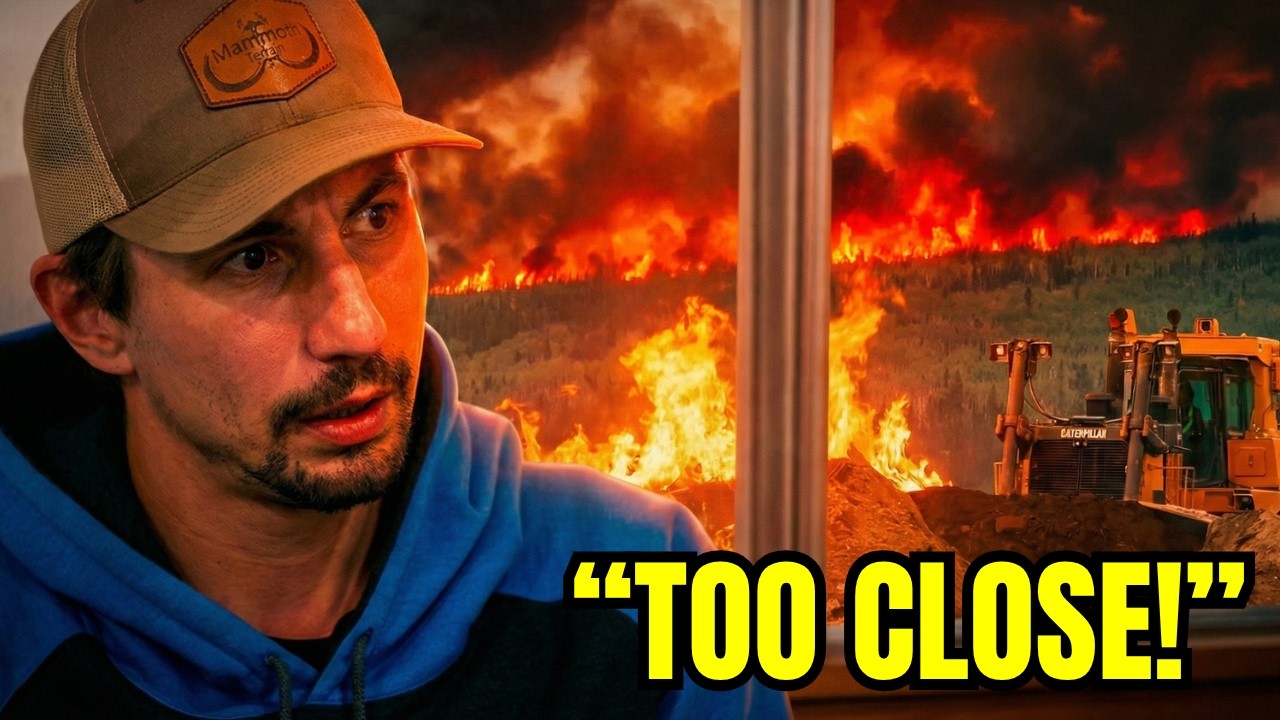
Parker Schnabel’s record-breaking season has come under sudden pressure as dangerous wildfires close in on his Yukon mining operations, threatening to halt one of the strongest runs of his Gold Rush career.
At just 30, the young mine boss has been pushing toward what could become a $35 million season, with multiple wash plants running and thousands of ounces already recovered. For much of the year, Parker’s operation appeared to be moving with the kind of momentum that few rivals could match. But in the Yukon, success can change quickly, and nature has once again become the biggest obstacle in his path.
Wildfires have been spreading rapidly across the region, turning large parts of the Yukon into a dangerous and uncertain landscape. According to the account provided, dozens of fires were burning across more than 250,000 acres, with flames edging alarmingly close to Parker’s claims. One blaze had moved within two miles of Dominion Creek, while another was said to be just one mile from Sulfur Creek. At one point, members of the crew reportedly saw flames only a few miles from camp, close enough for the heat to be felt from the roadside.
The scale of the danger forced Parker’s team to weigh every decision carefully. Mining in remote territory already comes with risk, but active wildfire adds a far more immediate threat to people, equipment and escape routes. Crew members reportedly discussed whether the fire was moving in their direction and monitored the amount of smoke in the air to judge how quickly conditions might change. Although they believed the blaze was not yet charging toward them, nobody treated the situation lightly.
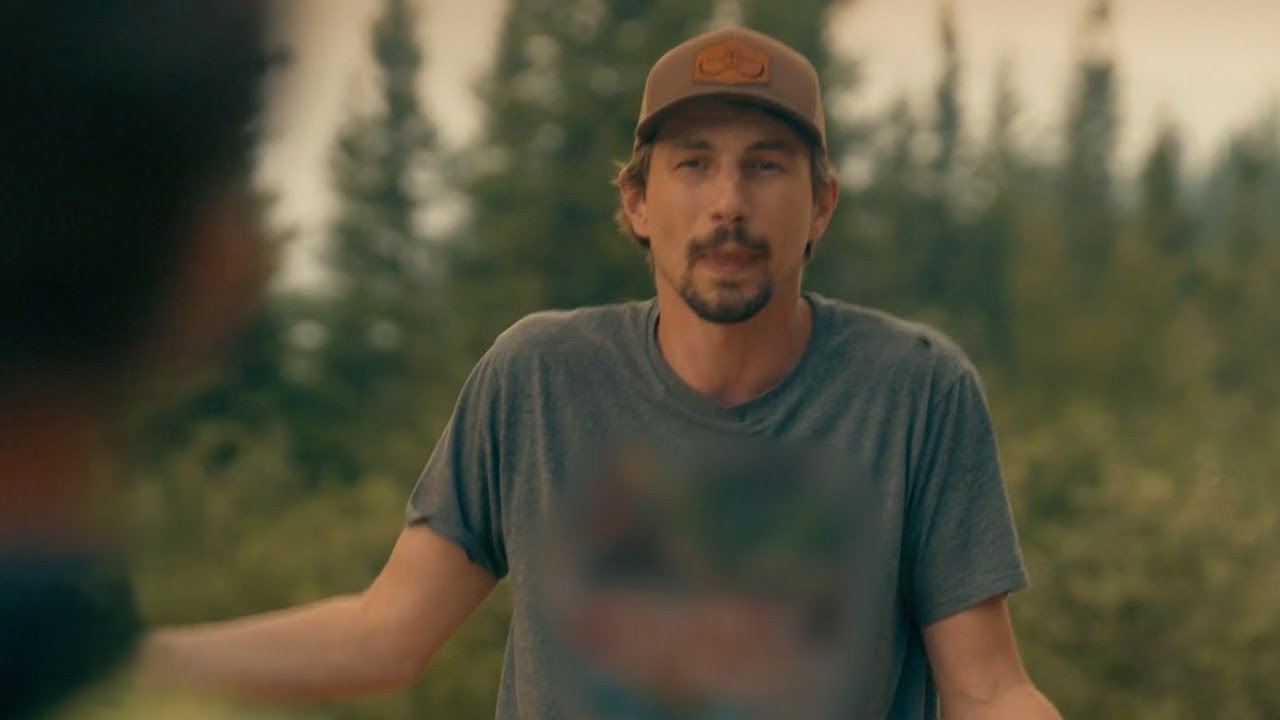
Even under that pressure, Parker’s mining operation continued. Three wash plants were running across his claims, and strong production at Dominion Creek and Sulfur Creek kept the season alive. At Sulfur Creek, veteran foreman Mitch Blask and miner Brennan Ruault were leading a crew that had already exceeded expectations. What Parker once thought might be a shorter run at that site turned into a longer and more productive effort, with more gold continuing to come out of the ground.
But time was working against them. The Sulfur Creek team faced a double challenge: advancing wildfire and an expiring water licence. With only two weeks left to process the remaining pay dirt, the crew had little room for delay. If fire forced an evacuation before the deadline, valuable ground could be left behind. Mitch believed the nearby creek might act as a natural barrier against the flames, but the real concern was the access road. If the fire crossed the valley and blocked that route, the crew could find itself trapped or unable to move equipment safely.
There was discussion of helicopter evacuation, but that, too, appeared uncertain. With fires burning across the Yukon, aircraft would likely be needed for firefighting rather than emergency transport for miners. In practical terms, Parker’s team seemed to understand that their best hope was simple: keep working, keep watching the fire lines, and pray for rain. None, however, was in the forecast.
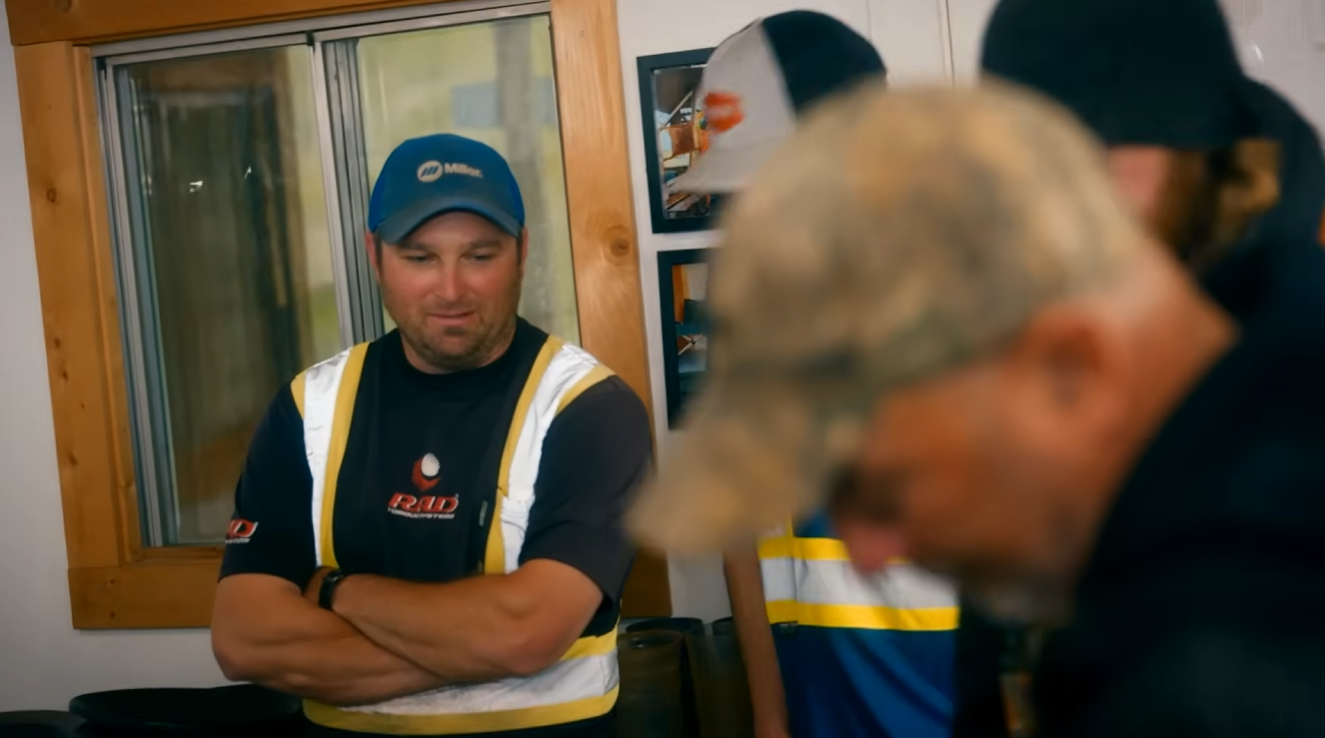
As the wildfire threat continued, Parker had to leave the site for several days, putting added responsibility on Mitch and the crew. Their task was not only to keep operations safe, but also to finish processing the remaining stockpile at Sulfur Creek and relocate the wash plant Roxanne to new ground at Indian River. Moving such a huge piece of equipment is difficult in any circumstances. Doing it under the shadow of nearby fires made the challenge even more intense. Still, the crew managed to complete the move, carefully guiding the machine across a narrow bridge and into position.
The payoff was significant. After the final clean-up, the figures gave Parker fresh momentum. Sulfur pay delivered 221.02 ounces of gold, the Gold Mile cut added 273.15 ounces, and another 216.50 ounces came from the Bridge Cut. That brought the total haul to 710.05 ounces, worth roughly $2.5 million. The result pushed Parker’s seasonal total to more than 4,200 ounces, keeping him firmly in contention for his ambitious 10,000-ounce target.
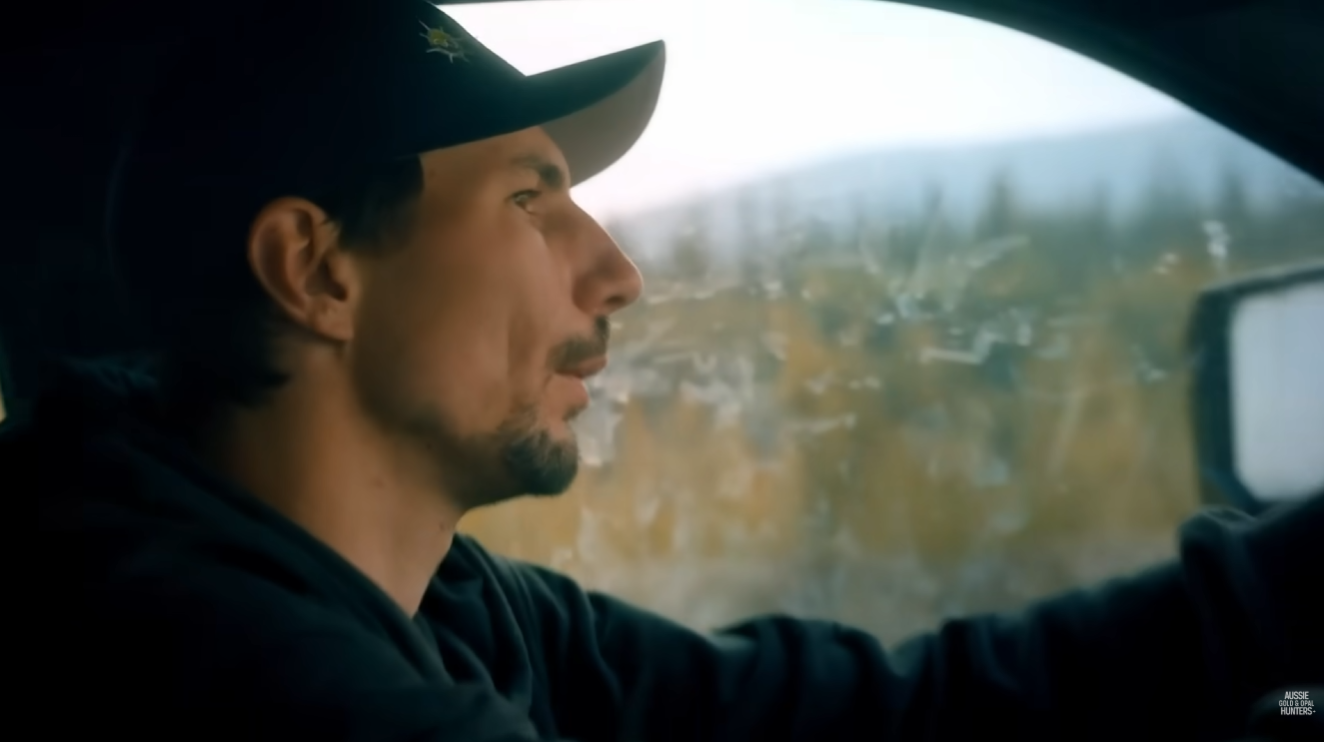
Yet the success came with no guarantee of safety. Smoke was still visible across the valley, and flames could reportedly be seen in several directions. For Parker, the immediate hope was that Roxanne would be running at Indian River by the time he returned and that the crew would remain out of danger. But in the Yukon, plans are only ever as secure as the weather allows. A shift in the wind could still change everything.
This moment underlines a truth Gold Rush has returned to many times over the years: for all the machinery, strategy and hard work involved in mining, nature remains the final authority. Wildfires, floodwater, freezing temperatures and unstable ground can erase progress in an instant. Parker’s strength in this crisis was not simply that he kept mining, but that he did so with restraint, caution and trust in his crew.
For now, his season remains alive, and the numbers suggest it could still become one of the most successful of his career. But the wildfire threat has served as a harsh reminder that in the Yukon, gold is never the only thing miners are chasing. Sometimes, they are also racing time, weather and survival itself.