The Curse of Oak Island pushes deeper into medieval mystery as fresh clues emerge from Lot 8 and the Money Pit

The Curse of Oak Island moved its central mystery in a striking new direction in Season 13, Episode 19, as the team uncovered fresh signs that the island’s most debated structures may be linked not only by engineering, but by a timeline reaching back to the medieval period. From Lot 8 to the Money Pit area and back to Lot 5, the latest discoveries added weight to the idea that Oak Island may contain evidence of organised activity far older than many once believed.
The episode opened at Lot 8, where work continued around the cradle-like formation beneath the massive boulder lifted earlier in the season. As more stones were removed and new samples collected, attention turned once again to whether the site had been carefully constructed rather than naturally formed. That question has become increasingly important, because Lot 8 is no longer being treated as an isolated curiosity. Instead, it is being examined as part of a wider pattern across the island.
In the war room, the team received further scientific analysis tied to an artifact previously recovered from Lot 5. Laser ablation expert Dr Chris MacFarlane reported that the incrustation on the lead object was sodium-rich, indicating that it had likely remained in the soil for a very long time. More importantly, he said the artifact itself showed silver content consistent with pre-industrial fabrication, with possible origins in central Europe, including France, Germany or the United Kingdom. The find was said to match another previously recovered lead object and was also linked isotopically to the well-known lead cross found years earlier in Smith’s Cove.
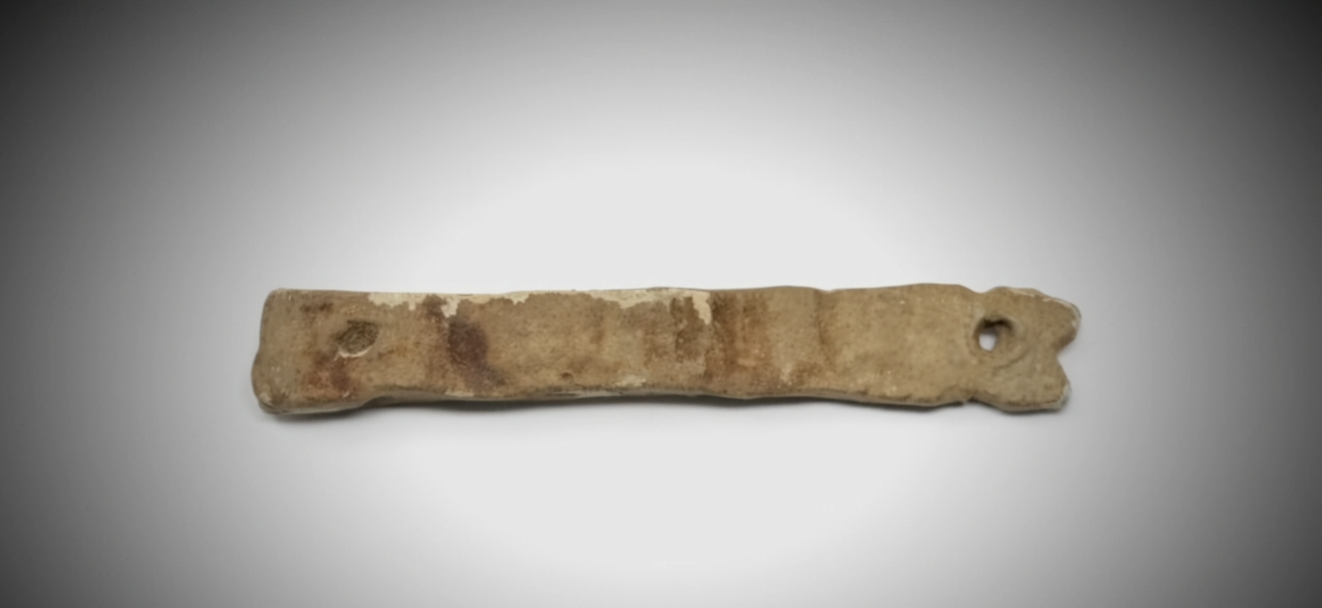
That assessment is significant because it strengthens one of the show’s most persistent theories: that several discoveries made in different parts of Oak Island may not be random fragments from unrelated periods, but pieces of a broader story involving older European activity on the island. The growing number of parallels between finds from Lot 5 and other areas continues to suggest that the archaeological picture is becoming more connected rather than more fragmented.
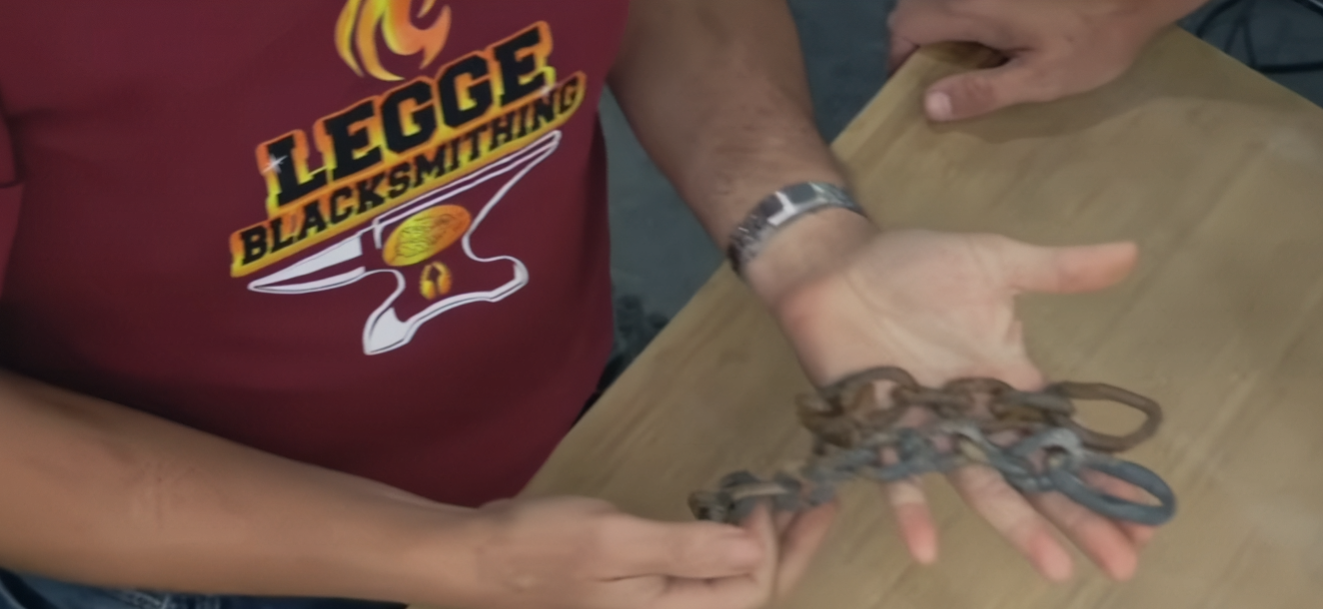
Later in the episode, blacksmith expert Carmen Legge examined two pieces of chain recovered from the spoils of the previous dig. His conclusion added another layer to the speculation. According to Carmen, such chains could have been used in a lifting basket designed to raise or lower items. He also dated them, based on their metallurgy, to the mid-to-late 1700s and said they were of European origin. For the Oak Island team, that immediately opened the door to renewed discussion of whether treasure or other valuable cargo may once have been deliberately handled, moved or concealed on the island.
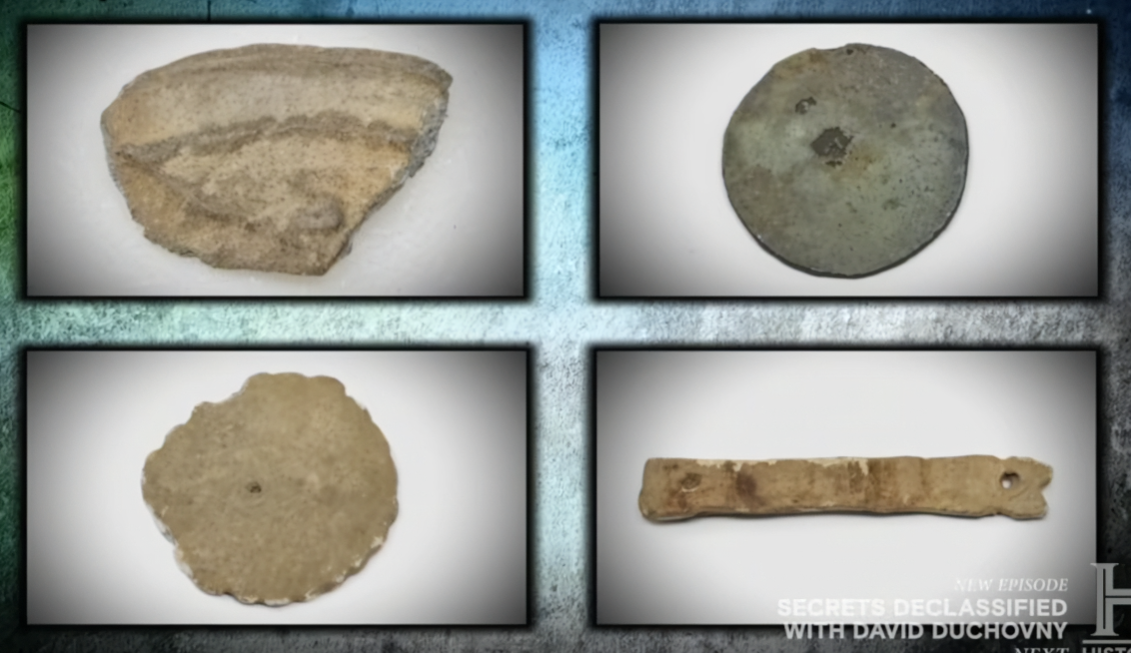
Lot 5, meanwhile, returned to focus after recent emphasis on Lot 8. There, the team uncovered another small metal piece that Laird Niven believed may have been part of a button. The context mattered as much as the object itself. The area has already produced artifacts tied to more than one occupation phase, including evidence linked to the 1700s and an earlier period. Archaeologist Aaron Taylor and the team suggested that this zone may have served as an active yard, increasing the likelihood that more items were lost or left behind there over time.
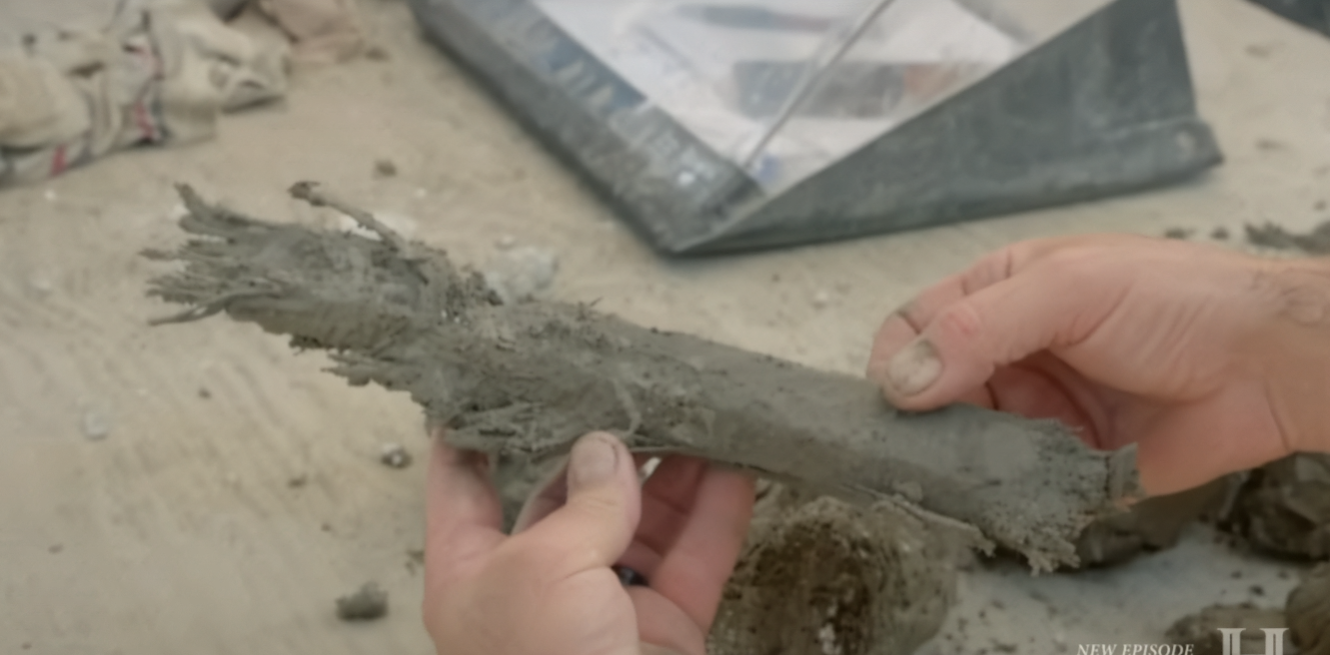
Yet it was in the Money Pit area where the episode delivered some of its most dramatic material. The TPF-1 caisson advanced through the bedrock ledge and into the solution channel, allowing the team to use a hammer grab and collection bucket for deeper recovery. Among the spoils, Gary Drayton and the team recovered old wood and a heavily incrusted iron-like object. One important detail came when Craig Tester noted the depth of one metal-related find: 193 feet below the surface, deeper than nearly all earlier searcher efforts apart from one historic borehole.
The wood discoveries appeared just as intriguing. One substantial piece was described as the deepest such timber the team had ever found, and Terry Matheson suggested that the changing material around it could indicate the presence of a void nearby. That observation fed directly into one of the show’s long-running ideas: that the team may be approaching the remnants of an original shaft, or even the aftermath of a collapse involving both early search works and older underground structures.
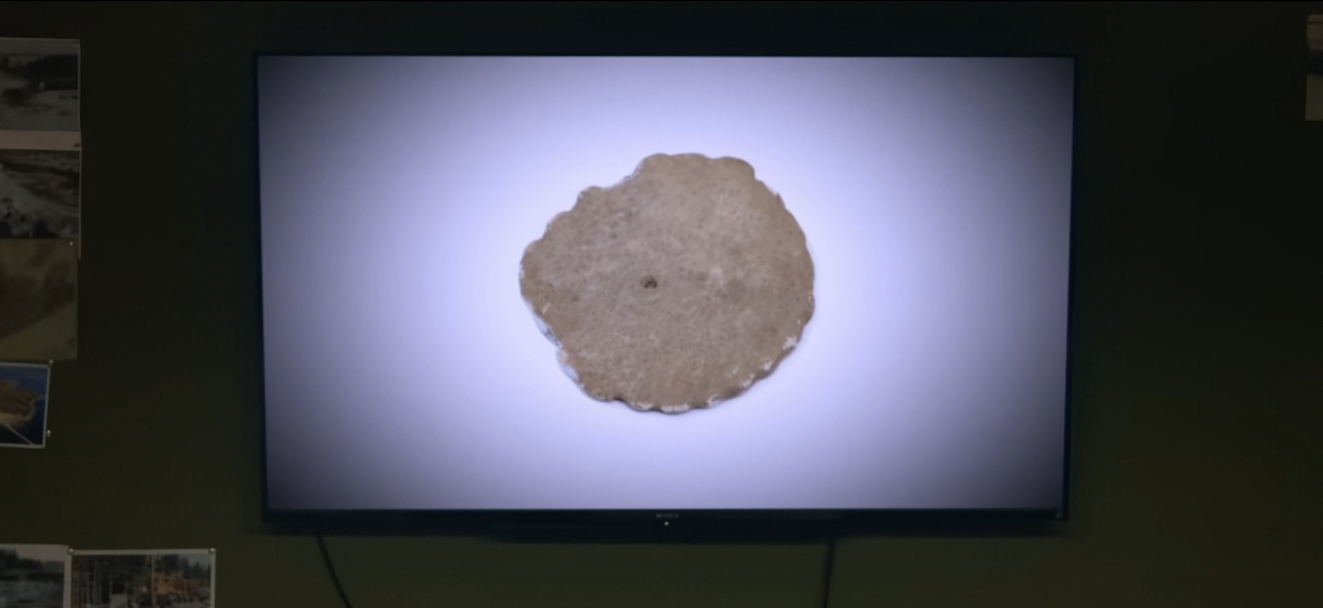
But perhaps the most ambitious claim in the episode came from archaeoastronomy expert Professor Adriano Gaspani. Reviewing alignments between churches in western France and features on Oak Island, Gaspani confirmed earlier research presented by Charlotte Whelan and went further by suggesting that Lot 5 and the Lot 8 cradle align with celestial targets associated with Templar astronomy. Using one of the stones from the Lot 5 structure, he proposed a date as specific as 1236, placing the possible construction firmly in the 13th century.
That is a remarkable claim, and one that, if supported by additional evidence, would push the Oak Island story far beyond the more familiar 18th-century treasure narratives. It would suggest that parts of the island may have been shaped by a medieval design tradition with European roots long before the search for buried treasure began in the late 1700s.
For now, the evidence remains interpretive rather than conclusive. But Episode 19 made one thing clear: Oak Island’s mystery is no longer being framed only as a search for treasure. Increasingly, it is becoming an investigation into who may have come to the island centuries ago, what they built there, and why their traces seem to connect across multiple sites. With the next episode promising another major revelation on Lot 8, the season appears to be moving toward an even deeper confrontation with the island’s medieval past.