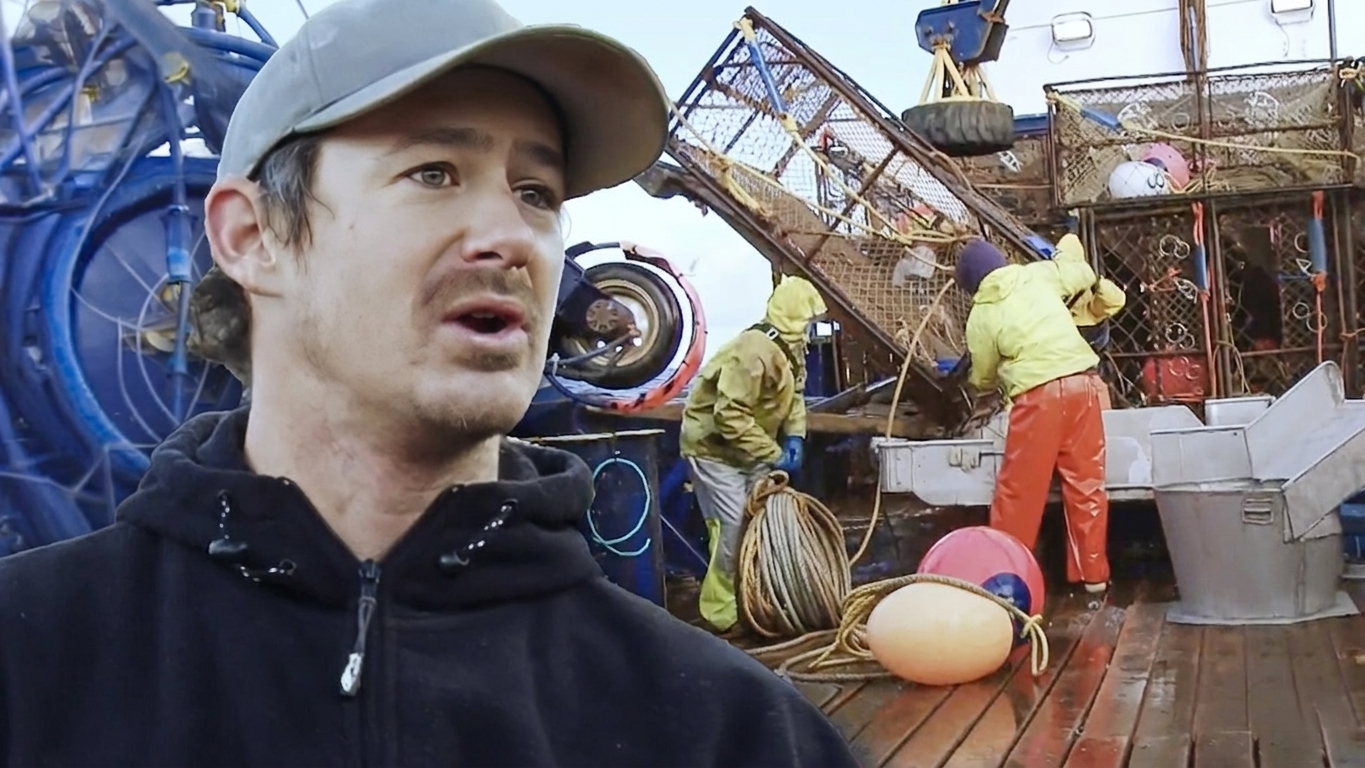
A dramatic shift in fortunes unfolded on the Bering Sea as one captain fought to rescue his season while another crew scrambled to prepare for a fresh start, highlighting the relentless pace and emotional strain at the heart of Deadliest Catch.
In Dutch Harbor, the Wizard crew began a new chapter under pressure, rushing to offload the remainder of its king crab gear and load up for the reopening of the bairdi fishery. For the crew, the turnaround was not simply another routine switch. It came at a crucial moment, with the clock ticking and financial losses from red crab still weighing heavily on everyone on board.
Crew members worked against time to reconfigure the vessel and get back to sea as quickly as possible. The reopening of bairdi fishing offered a rare and welcome opportunity after the fishery had been shut down for several years. That made the transition even more significant. There was money to be made, but also competition, frustration and the familiar tension that comes when crew members begin weighing who gets to stay aboard and who may be left behind.
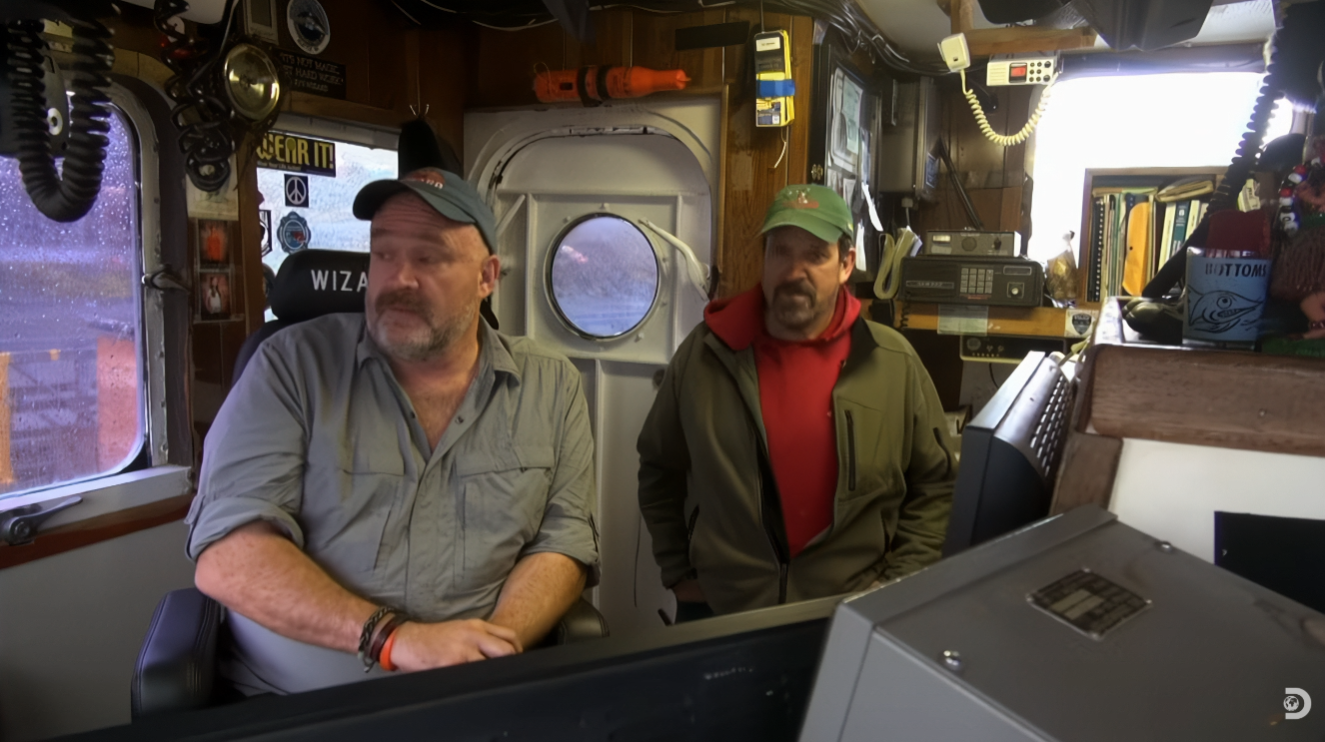
The strain surfaced in a blunt exchange on deck, where questions over positions, experience and fairness quickly turned personal. One crew member argued that the bairdi trip was effectively his fishery, having spent years working it, while another considered going out on the trip despite limited experience hauling that gear. With money lost in red crab and little room for error, the argument reflected a deeper truth of crab fishing: every trip matters, and every opportunity can become a test of loyalty, rank and survival.
While the Wizard battled urgency in port, another story was unfolding far to the northeast. Nearly 270 miles from Dutch Harbor, Captain Elliott Neese faced a moment that threatened to define his entire red crab season. On board the 107-foot Saga, Elliott had spent six difficult days chasing crab without the results he needed. Desperate to change his luck, he made a bold decision to relocate all 160 pots far to the north, steering away from the crowded fleet and into unfamiliar ground.
It was a costly gamble. The run itself was long, fuel was running low, and the deadline to offload was fast approaching. Elliott knew the risk. He also knew what was at stake personally. In a candid moment, he admitted that all he wanted was to get home and see his children. The pressure was no longer just about quota. It was about proving that the trip had been worth it, both for himself and for the crew depending on him.
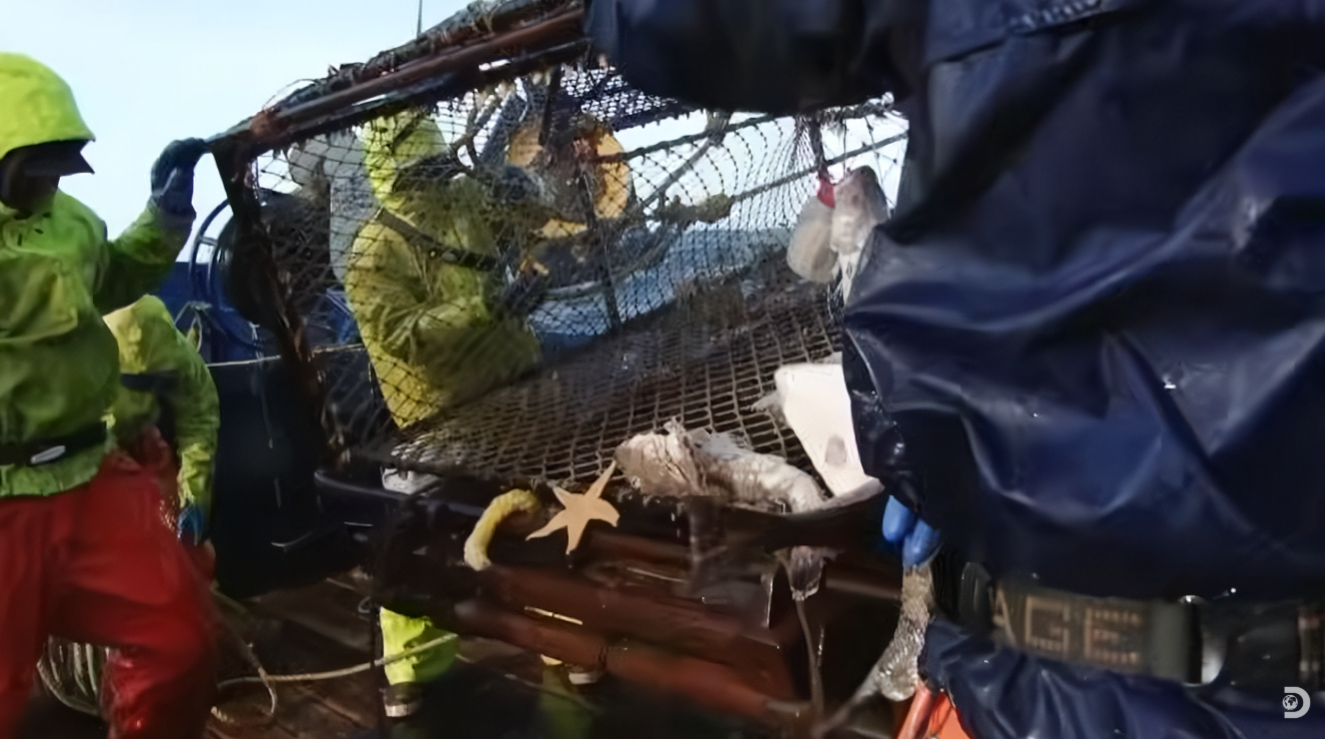
At first, the move appeared to be failing. The opening pots came up empty, and the mood on board darkened quickly. Blank after blank left the crew frustrated and exhausted. Elliott himself seemed bewildered, struggling to understand why the grounds were producing nothing when he had expected better. The further the string went without crab, the more the northern relocation looked like a costly mistake.
But then the season changed in an instant.
After a series of empty pulls, one pot came up loaded. Suddenly the deck was alive again. The crew’s despair gave way to disbelief as the next pots delivered strong numbers, with counts in the 40s and 50s. What had looked like a failed final push quickly became the breakthrough Elliott had been chasing. The gamble on northern ground had finally paid off, and it had arrived at exactly the right moment.
With each successful pull, confidence returned to the Saga. The crew began to sense that they had enough crab not only to finish strong, but to close out the trip on a high. By the end of the run, Elliott’s late recovery had transformed a difficult trip into a successful finish. The boat ended its first red crab season with 120,000 pounds caught, a figure substantial enough to deliver each crew member a payout of $42,000.
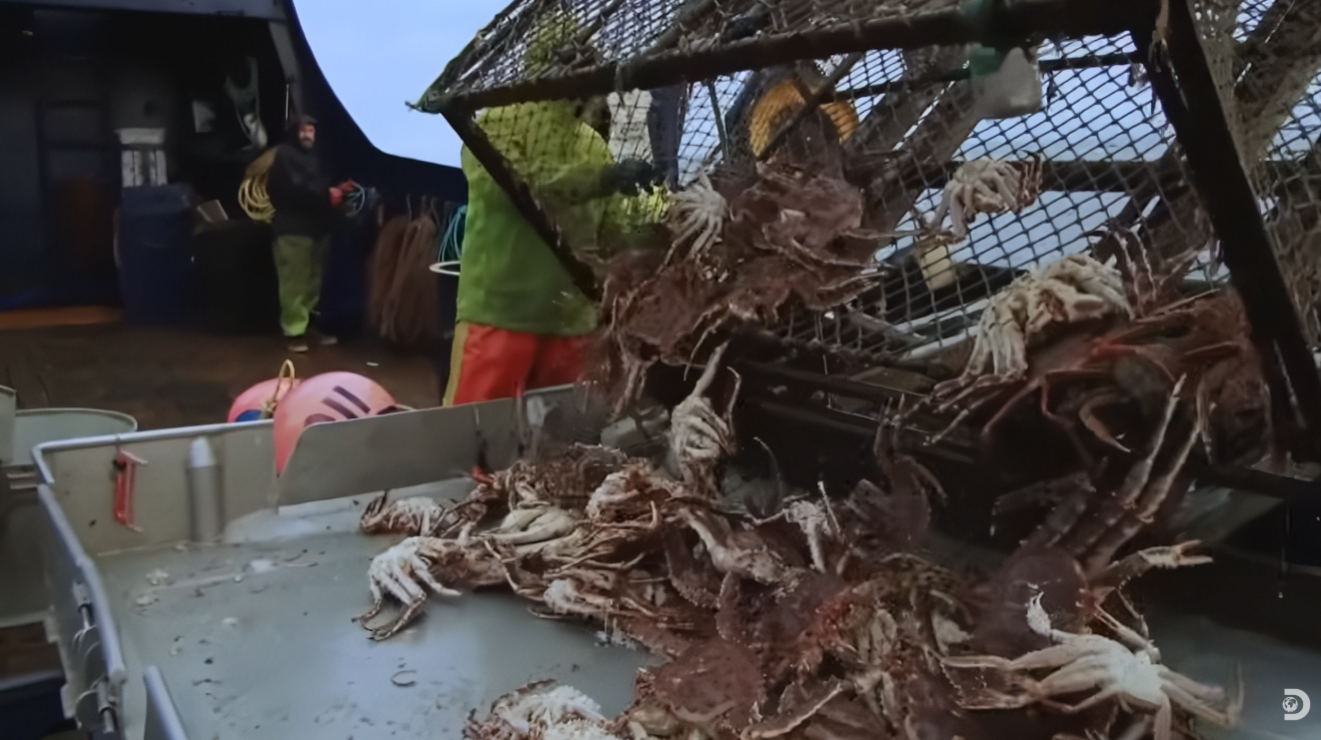
It was more than just a financial rescue. It was a vindication of Elliott’s willingness to make one last move when time was nearly gone. His decision to leave crowded waters and trust his instincts in virgin ground had looked reckless when the first pots came up empty. By the end, it looked decisive.
The closing scenes carried a sense of relief as much as triumph. For Elliott, the season ended not with another setback, but with the chance to head home, see his children and reflect on what he still had: a working boat, a loyal crew and a life he was not ready to trade. His final comments underlined how much of fishing is bound up not only in profit, but in identity. Out there, he said, this crew was his family.
Together, the two storylines captured the emotional range that defines life on the crab grounds. On one vessel, men argued over who deserved the next opportunity. On another, a captain stared down failure before pulling off a late escape. In both cases, the message was the same. In the world of Deadliest Catch, fortunes turn quickly, and nobody gets anything without enduring pressure, risk and the constant possibility of coming home empty.
