For generations, Oak Island has stood at the centre of one of history’s most enduring treasure mysteries. Off the coast of Nova Scotia, the island has attracted treasure hunters, historians and researchers determined to understand whether its buried secrets are linked to lost wealth, ancient engineering, or something even more extraordinary. Now, a series of discoveries described by the team suggests the island’s story may stretch far deeper into the past than many once believed.
At the heart of the latest interest is a growing body of evidence from the swamp, the Garden Shaft and the Money Pit area, where the team believes several separate discoveries may actually form part of one larger historical puzzle. What began as a search for buried treasure has increasingly turned into an investigation of ancient structures, buried tunnels and carefully planned construction hidden beneath the island’s surface.
One of the most intriguing threads comes from discoveries near the swamp, where the team has examined wooden structures, stone features and sediment patterns that may point to deliberate human activity. A previously recovered piece of ship railing, carbon-dated as far back as the early medieval period, opened the door to the possibility that Oak Island’s history predates the better-known treasure stories by centuries. That possibility has encouraged renewed interest in whether the island may once have been used by earlier seafaring visitors with the skill to build or conceal something significant.

The southern edge of the swamp has proved especially important. There, the team investigated what appeared to be part of a buried wall or dam, a discovery that revived long-standing speculation that the swamp may not be entirely natural. The idea that this area was engineered has circulated for years, but the presence of wood, red sediment and possible links to a nearby stone path added fresh momentum to the theory. If these elements are connected, they may point to a broader system of construction designed with purpose rather than chance.
Geoscientist Dr Ian Spooner’s analysis added further weight to that idea. By comparing the sediment beneath the newly examined feature with material associated with the stone road, he suggested the structures may share a common origin. That matters because it hints at planning, coordination and a timeline that could place some of Oak Island’s most debated features much earlier than once assumed. For the team, each layer of soil and timber is no longer just debris. It may be evidence of organised activity on the island long before modern treasure hunters arrived.
Attention has also returned to the Garden Shaft, where the team believes it may be closing in on a tunnel that predates the earliest known search efforts on the island. After months of work, excavation reached a depth where a mysterious passage appeared to run toward an area long associated with promising test results. Wood recovered from that structure was said to date back to the 1600s, a finding that, if accurate, would place the tunnel before the discovery of the original Money Pit. Such a result would challenge many traditional assumptions about when major underground work on Oak Island first began.
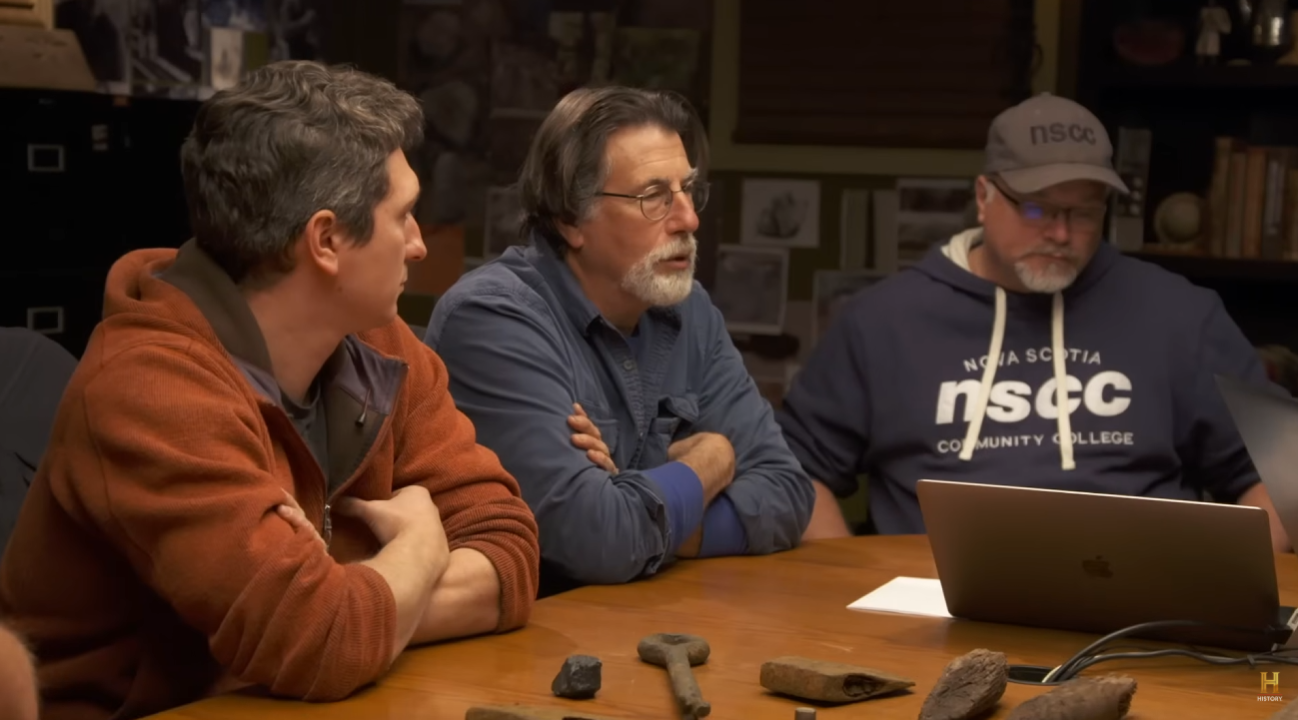
That discovery has raised the stakes considerably. If the tunnel is original and not the product of later searchers, it could be one of the clearest signs yet that someone carried out sophisticated underground engineering on the island centuries ago. The team’s efforts to extract beams, date samples and map the tunnel’s position are all aimed at answering one central question: who built it, and what was it meant to protect or reach?
Elsewhere, finds from the Money Pit area continue to feed speculation about hidden voids, collapsed shafts and buried structures. Reports of ancient wood, metal traces, unusual soil conditions and nearby high readings of silver and gold have kept the sense of expectation alive. While none of these clues alone proves the existence of treasure, together they reinforce the belief that something significant lies beneath the island — whether it is wealth, an engineered storage system, or the remains of a much older operation.
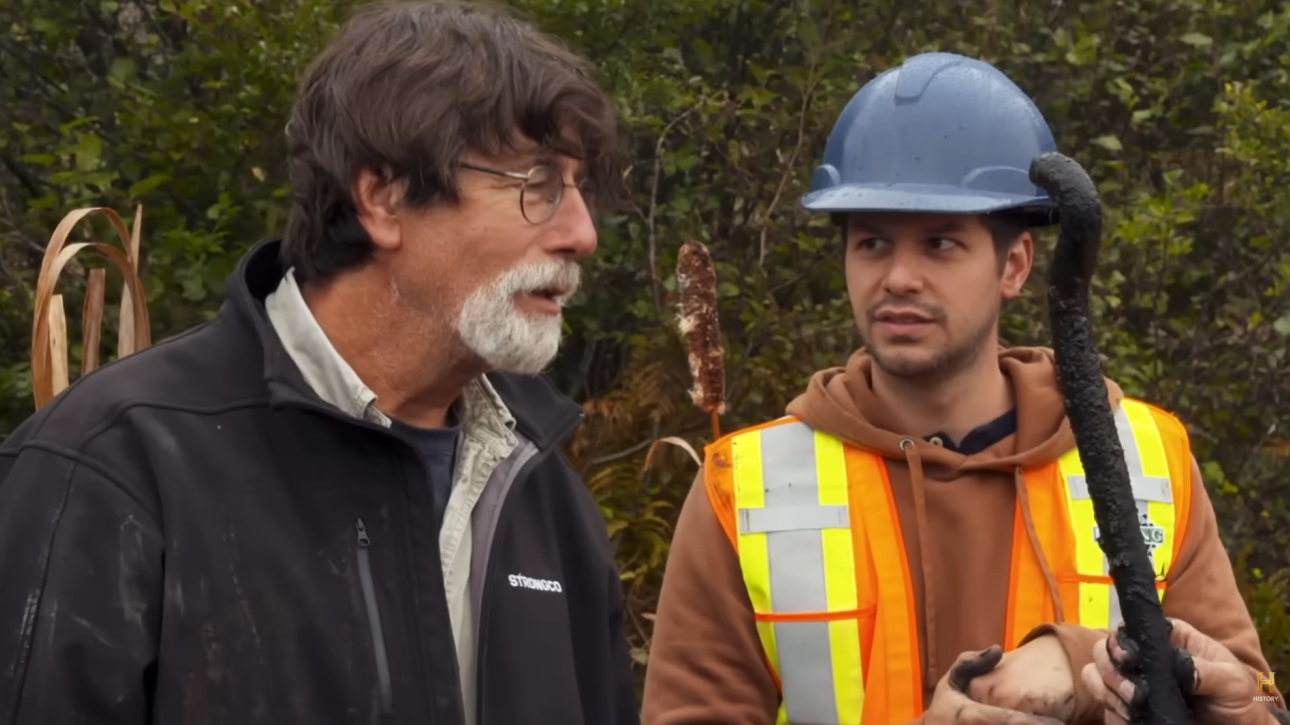
There is also a broader historical dimension to the search. Artifacts linked in the text to military buttons, medieval objects, ship-related material and possible European presence have helped shape a narrative in which Oak Island may have served not as a random hiding place, but as a site of repeated activity across different eras. Theories involving early explorers, military visitors and even medieval groups continue to circulate because the discoveries appear to point toward a more layered history than the traditional treasure legend alone can explain.
Even severe weather has not broken the team’s momentum. As Hurricane Lee approached Nova Scotia, operations were temporarily paused, but the determination to continue remained clear. For Rick Lagina and the others, Oak Island is no longer just about finding gold. It is about finally understanding what happened there, who came before, and why so much effort seems to have been invested in building, burying and concealing structures beneath the island.
For now, the mystery remains unsolved. But with each new timber, tunnel and artifact, Oak Island appears less like a simple treasure story and more like a buried historical landscape with secrets spanning centuries. And that may be why the island continues to grip imaginations: not only because of what might be hidden there, but because every new discovery suggests the truth could be bigger than anyone first imagined.