Moonshiner’s bold vodka attempt falls short after one-run challenge tests skill and precision

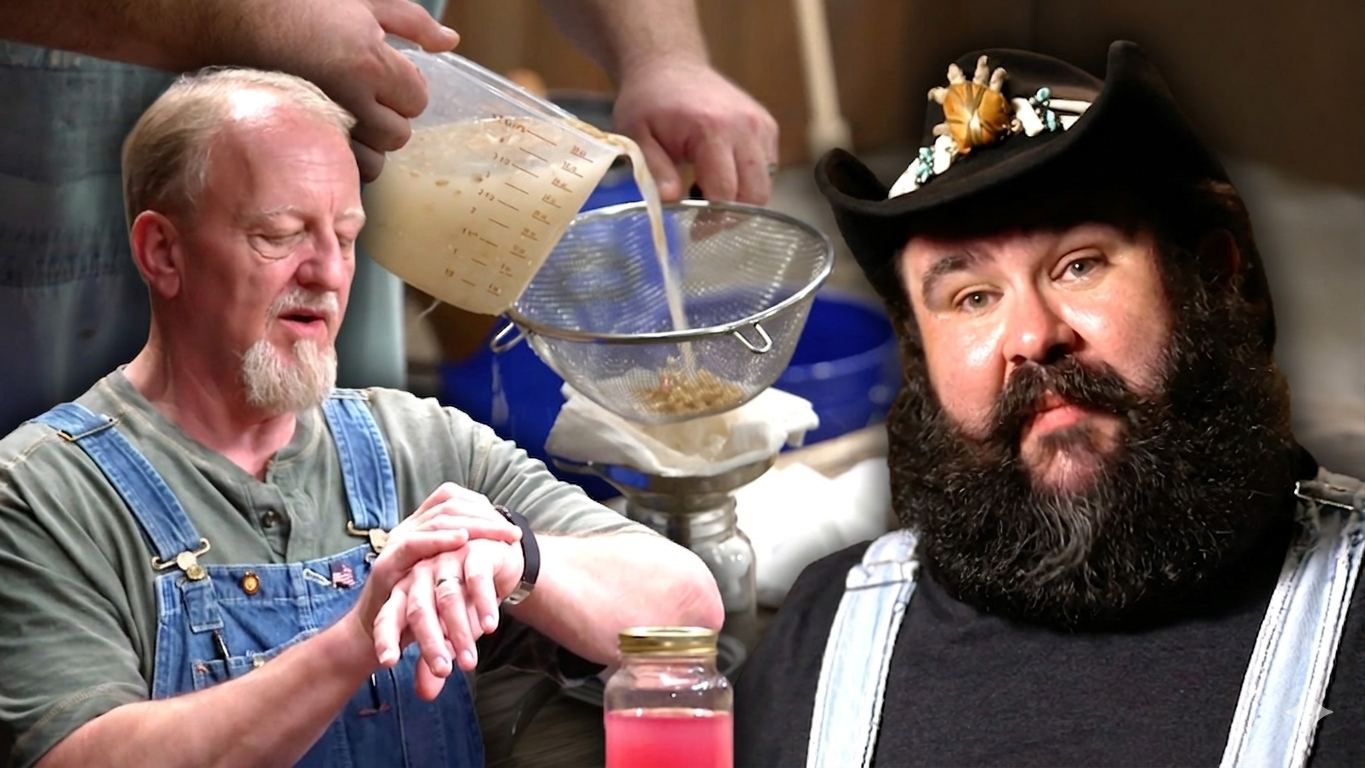
A demanding vodka challenge ended in disappointment for contestant Blake Ellig after his traditional approach and flavour-driven spirit failed to meet the brief, despite earning praise from judges for its craftsmanship and character. The contest placed contestants under intense pressure, requiring them to turn a starch-based mash into a high-proof traditional vodka in just one distillation run, leaving almost no room for error.
From the start, the task was designed to push each distiller out of their comfort zone. Contestants were told they would have only one chance to transform their mash into a clean vodka, a spirit more commonly associated with repeated distillation to achieve clarity and neutrality. As the judges explained, vodka is often distilled seven, eight or even ten times to produce the crisp and polished finish expected from the category. In this competition, however, that luxury was removed. Each distiller would get just one run, turning the challenge into a test not only of technical judgment, but of adaptation under pressure.
The reward added even more weight to the task. Beyond the bragging rights, the winner would earn a limited run of their own signature liquor at a major distillery. That prize raised the stakes considerably and turned what might have been a straightforward round into a meaningful opportunity for the contestants. They had two minutes to choose ingredients and two hours to mash in. After six days of fermentation, the alcohol by volume of each mash would determine the order in which they selected their stills for the final spirit run.
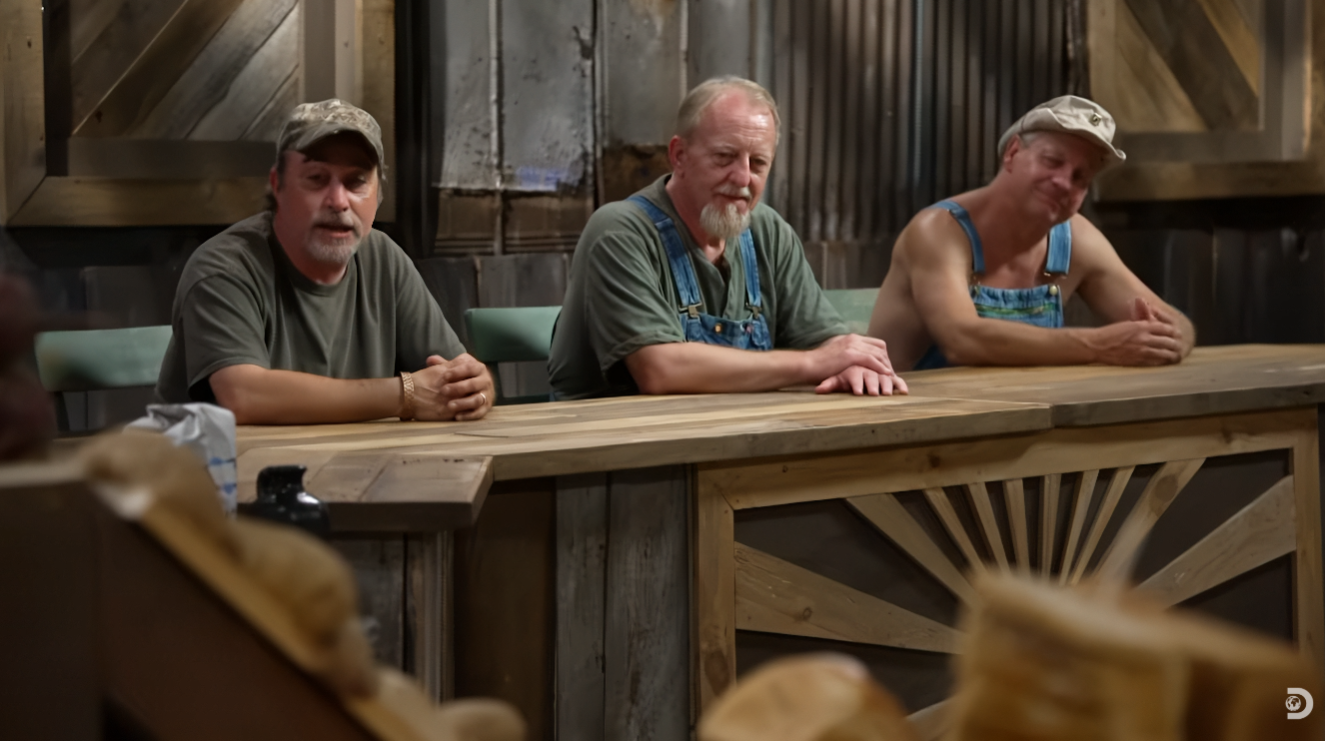
Blake, from Clyde, North Carolina, entered the competition with a clear sense of identity. Introducing himself as a singer, songwriter and performer, he also spoke of a long family history in distilling and said moonshining had always played a major role in his life. He described a method rooted in tradition, saying he preferred to do things the authentic way, even when that meant taking more time. That philosophy shaped his ingredient choices as he quickly gathered roasted potatoes, red potatoes and malted barley, hoping to build a mash with depth and complexity.
His reasoning was technically sound. Barley, he noted, produces its own enzymes, helping convert starches into fermentable sugars without the need for added amylase. But the challenge demanded more than sound fermentation theory. Time pressure was relentless, and Blake later admitted he was concerned about using a slower-working yeast because it was what he knew best. In a competition format built around speed and precision, even small choices carried major consequences.
When the fermentation results were revealed, Blake’s mash reached a potential ABV of 7.09 per cent. That placed him in a difficult position when it came time to choose equipment. Faced with fewer options, he selected a pot still rather than a column still, immediately putting himself at a disadvantage in a vodka challenge. Pot stills are known for preserving flavour, while column stills are generally better suited to producing the cleaner, more neutral character associated with vodka. Blake himself appeared fully aware of the issue, admitting that his still was designed to carry flavour and would have been ideal for a rye whiskey, but was far from perfect for the task in front of him.
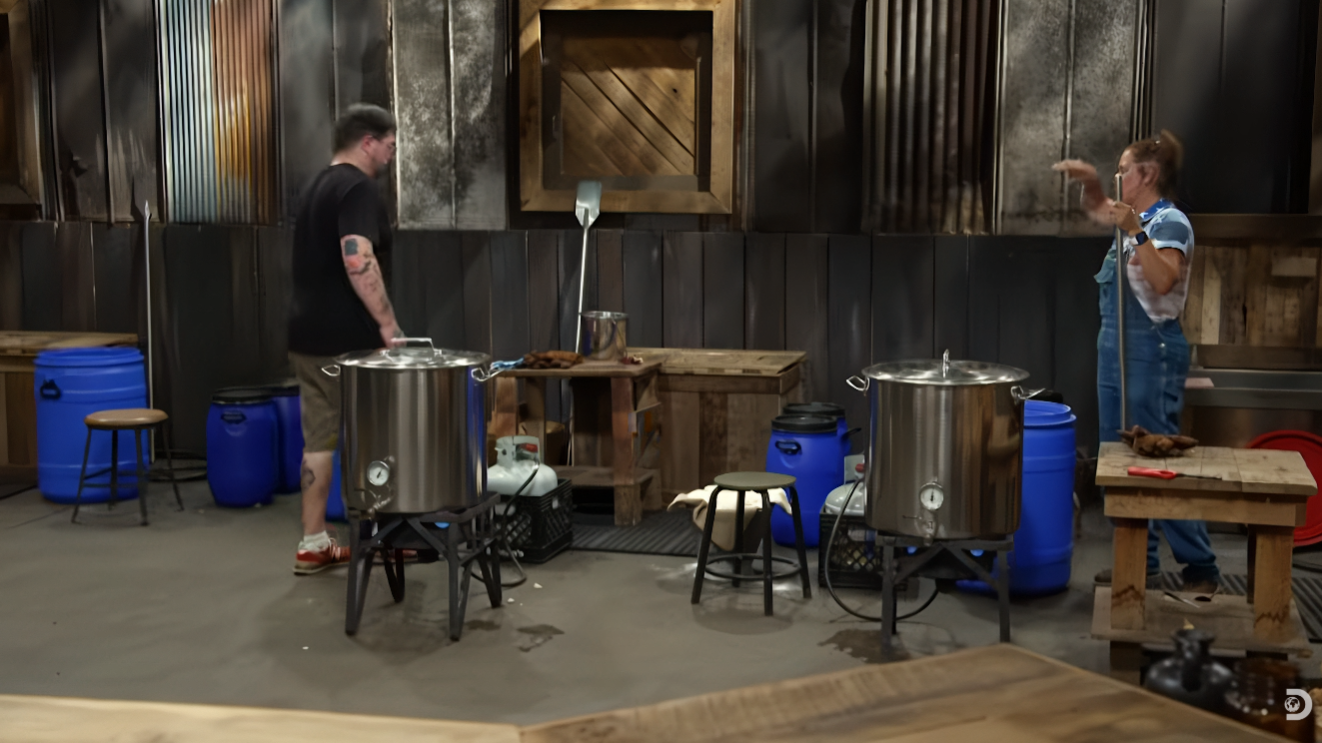
Even so, he pressed on with confidence, relying on careful cuts to strike a balance between higher proof and controlled flavour. Throughout the run, he monitored the spirit closely, tasting as he worked and trusting the instincts he had been taught. It was a hands-on, traditional approach, one rooted in experience rather than industrial precision. By the time he handed over his final jar, he believed he had produced a strong drink and said he was proud of what he had made.
The judges agreed that the result had quality, but not the kind the competition required. They praised the flavour profile and smooth finish, with one remarking that the barley notes came through strongly. Another described it as closer to an immature Scotch than a vodka, suggesting it would have benefited from time in a barrel. The spirit was seen as expressive and enjoyable, but it was not neutral enough to fit the category. More importantly, it did not reach the minimum proof of 80. That ultimately sealed Blake’s fate.
In the end, the judges were careful to stress that his entry was far from a failure in broader terms. They said there was no true loser in the round, only one contestant whose spirit did not meet the technical standard of the challenge. Blake accepted the verdict with grace, thanking the judges and reflecting positively on the experience. As he left, he said he would likely invest in a column still and work on perfecting vodka in the future.
His exit served as a reminder of a central truth in distilling competitions: good liquor alone is not always enough. Style, proof, equipment and category discipline matter just as much as flavour. Blake produced something thoughtful and skilfully made, but in a one-run vodka challenge, authenticity and tradition could only carry him so far