Dr. Spooner’s SILVER DISCOVERY: Lot 8 Hides the True Oak Island Treasure Vault


A new line of investigation on The Curse of Oak Island has pushed Lot 8 to the centre of attention, after the team uncovered a carefully built stone feature, traces of silver in the soil and signs that the area may have played a far more important role in the island’s long-running mystery than previously believed.
For years, the Money Pit has dominated the search on Oak Island, drawing most of the major excavation efforts and much of the public fascination. But the latest findings suggest the island’s story may not be confined to that flooded and unstable zone. Instead, attention is now turning to higher ground, where evidence uncovered in Season 13 points to the possibility of a deliberately protected structure on Lot 8.
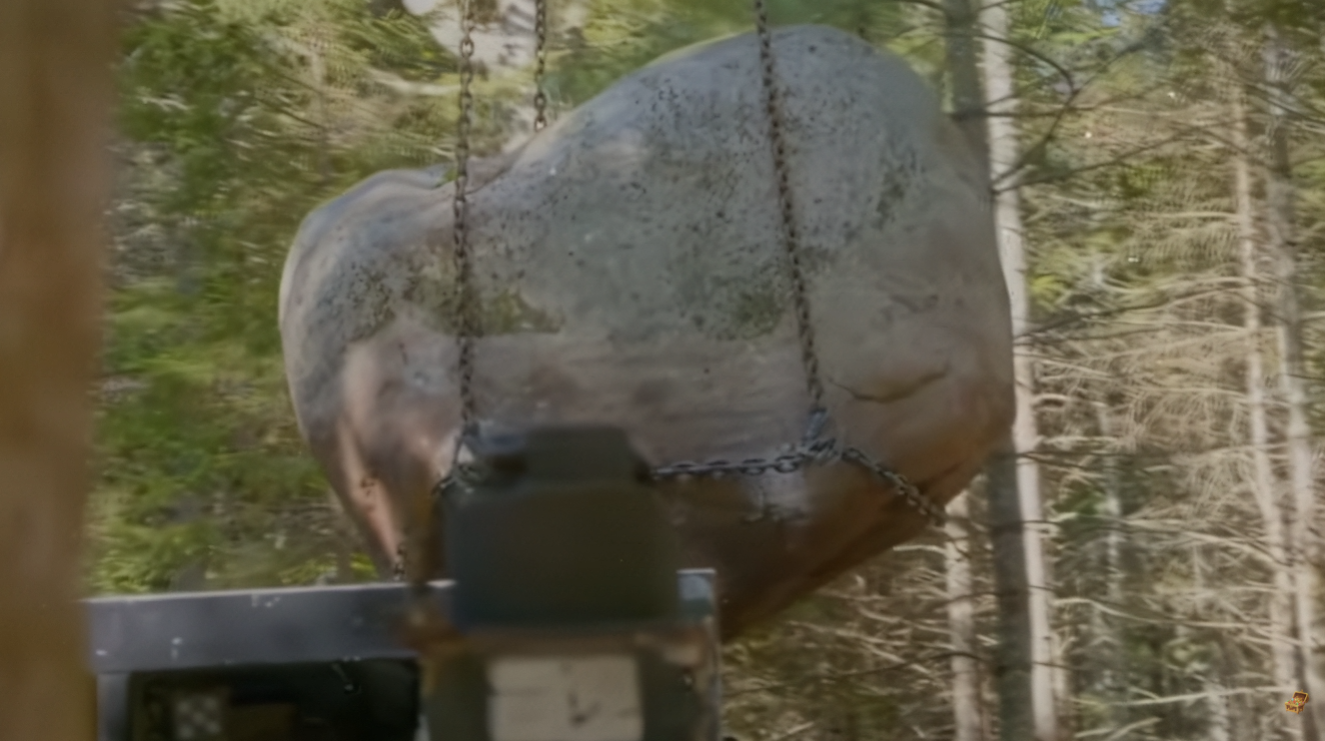
The breakthrough began with the removal of a huge boulder weighing around 40,000 pounds. Rather than finding ordinary soil beneath it, the team uncovered what appeared to be an artificial stone cradle. The stones were tightly arranged and seemingly designed to support the massive weight above. That alone was enough to raise eyebrows, but the discovery became more significant when archaeologist Fiona Steel identified layers of blue clay packed between the stones.
Blue clay has long held special importance in Oak Island lore. It has historically been linked to earlier digging efforts in the Money Pit, where it was seen as a possible waterproofing material. Finding it integrated into a stone structure on Lot 8 suggested to the team that the builders may have been trying to seal and protect something below ground.
The structure then underwent further analysis. Samples from the bonding material were examined, and the findings indicated that the mortar contained no modern industrial ingredients. According to the interpretation presented in the programme, the material appears consistent with pre-modern construction, potentially dating anywhere from the medieval period to the late 18th century. That broad range does not provide a definitive answer, but it does reinforce the impression that the feature is not a modern creation.
The most striking development came when Dr Ian Spooner and Emma Culligan analysed the organic soil found within the stone arrangement. Using X-ray fluorescence scanning, they identified traces of silver in the soil. For the Oak Island team, this was one of the most intriguing scientific signals yet.
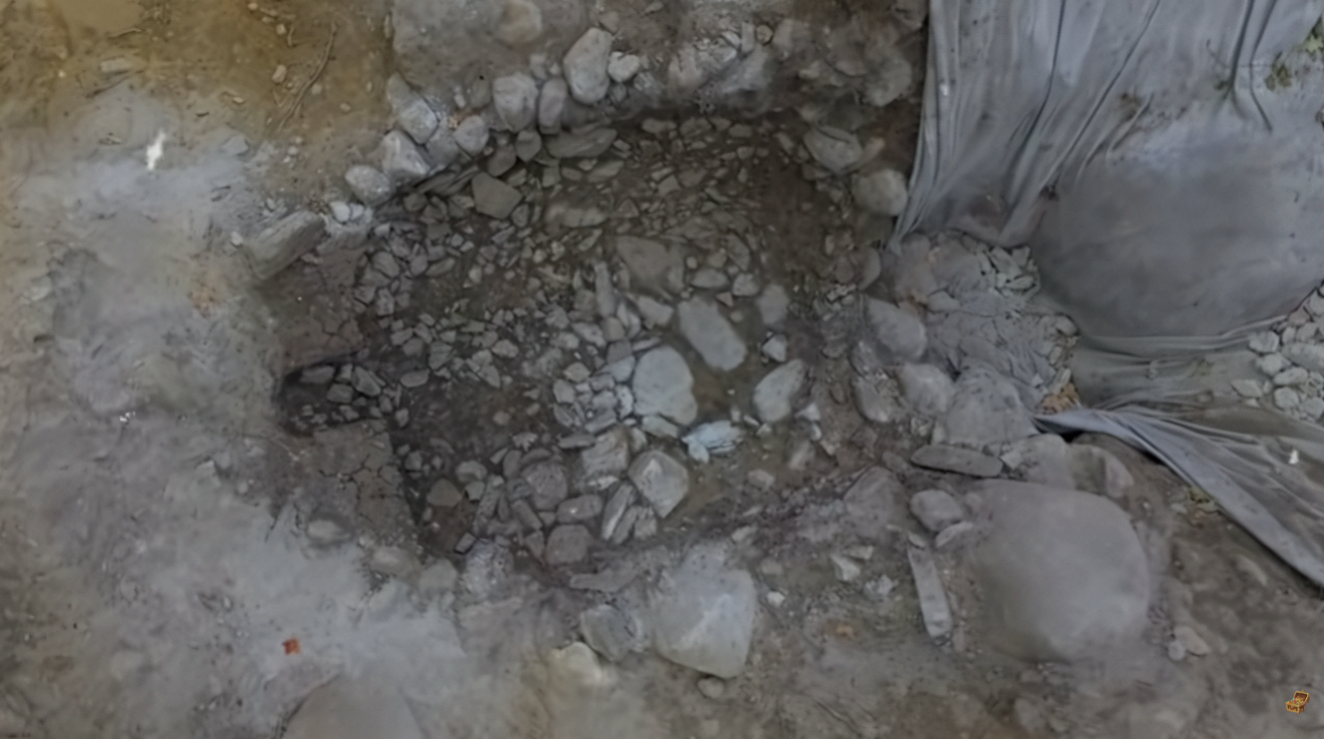
Dr Spooner explained that organic matter can absorb and retain the chemical signature of nearby metals over long periods. In practical terms, that means the silver traces could have come from a precious object once placed there, or from material deeper below the surface, with microscopic particles gradually migrating upward over time.
That second possibility has captured the imagination of the team. If correct, it would suggest the stone cradle may sit above a shaft, tunnel or sealed chamber containing silver-bearing material below. In other words, Lot 8 may not simply hold scattered clues. It could mark a direct route to something much more substantial underground.
This new theory gains momentum partly because of the contrast with the Money Pit itself. While drilling there has produced anomalies and renewed excitement, it has also been plagued by collapses, flooding and unstable ground. In comparison, Lot 8 appears more intact, more controlled and perhaps more carefully engineered. For those working on the island, that makes it an increasingly attractive target.

The discovery could also reshape how the wider search is understood. Rather than treating the Money Pit as the single obvious destination, the team is increasingly entertaining the idea that it may have functioned as a diversion, while a more secure deposit area was established elsewhere on the island.
Still, major questions remain unanswered. Trace silver in soil is not the same as a recovered artefact, and the structure itself has not yet proved the existence of a hidden chamber. Much more work would be needed before any firm historical conclusion could be drawn. Further excavation would also face logistical and legal pressures, especially as winter conditions approach in Nova Scotia and heritage restrictions remain a constant factor in any potentially significant find.

For now, however, Lot 8 has emerged as one of the most compelling locations on the island. With its stone engineering, blue clay sealing and silver signature in the soil, it offers a fresh direction in a mystery that has long resisted simple answers.
Whether it leads to a buried chamber, a ventilation system or another layer of the island’s complex past, the latest findings suggest that Oak Island’s next major chapter may not lie where generations of searchers first expected.