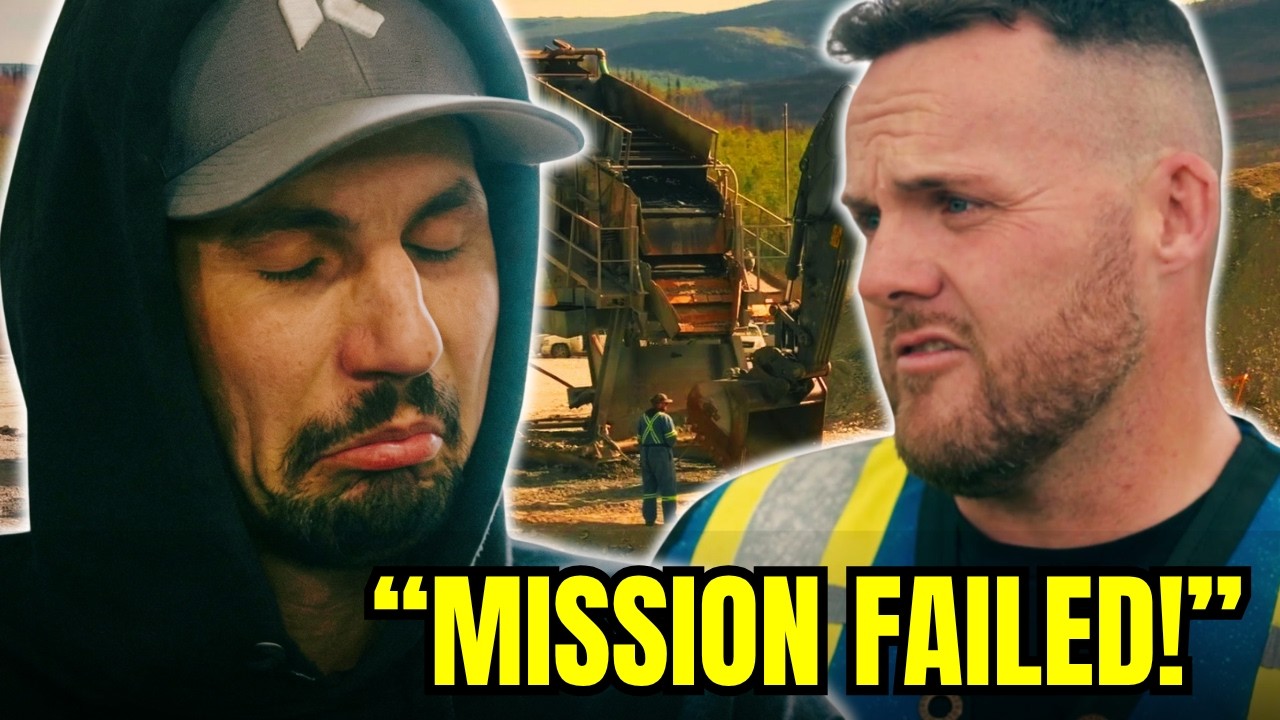
As Gold Rush races toward the closing stretch of season 16, Parker Schnabel’s operation has entered the most unforgiving stage of the year. With his ambitious 10,000-ounce target still looming and nearly 3,000 ounces left to recover, every remaining move carries enormous weight. There is no longer room for wasted time, slow recoveries or avoidable setbacks. In this late-season push, one of the most important responsibilities falls not on Parker himself, but on Brennan Ruault, whose handling of a major wash plant relocation becomes one of the clearest tests of leadership in the Klondike.
At the centre of the challenge is Big Red, Parker’s most trusted wash plant and a machine essential to the final phase of the season. Parker’s strategy depends on getting maximum value from the last available pay at the Golden Mile, and to do that he needs Big Red moved, rebuilt and back in production as quickly as possible. The situation becomes even more difficult when foreman Tyson Lee is away because of a family commitment, leaving a leadership gap at exactly the wrong time. Brennan is chosen to step in and take control of the move.
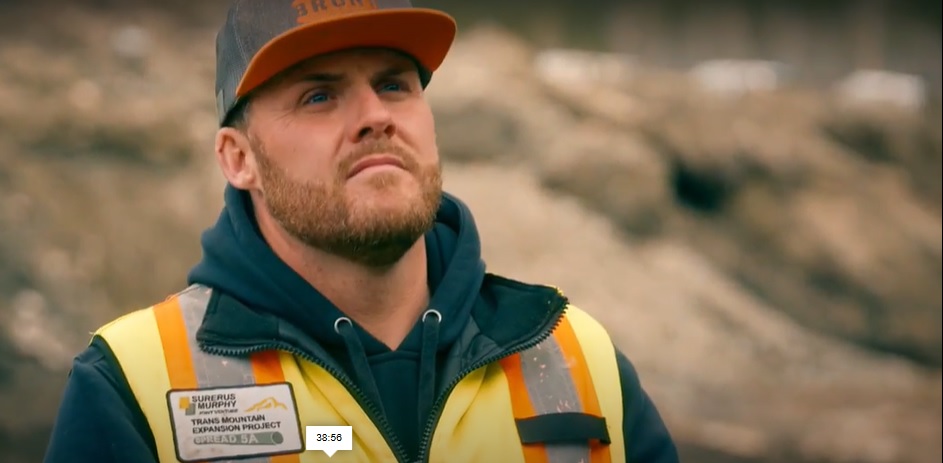
On paper, Brennan appears to be a solid option. He has experience, understands the equipment and is no stranger to Parker’s demanding environment. But this is not a routine relocation. Big Red is a 50-ton wash plant standing more than 20 feet high, and moving it nearly a mile across uneven, hazardous ground is a serious logistical exercise. It requires not just technical ability, but calm judgement, speed and a clear sense of command under intense pressure. It is also Brennan’s first time leading a move of this scale in five years, a detail that immediately raises the stakes.
In the early stages, Brennan performs well. Working alongside mechanic Alec Kelly, he guides the move carefully and methodically. The plant is transported successfully, and Brennan manages difficult terrain with the kind of composure Parker would have wanted to see. At one point, he manoeuvres a 58-ton excavator close to a steep drop while positioning the feeder system, a moment that highlights both the danger of the task and the focus required to carry it out safely. For a while, it looks as though Brennan is rising to the challenge and that Parker’s plan will stay on track.

Then the operation runs into a serious problem. During the final stages of setup, it becomes clear that the 200-foot conveyor belt feeding pay dirt into Big Red is in poor condition. The clips holding the belt together are badly worn, and the risk of a major failure is no longer theoretical. If the belt snaps once the plant is running, the result could be disastrous, potentially putting Big Red out of action for days at one of the worst possible moments in the season.
That leaves Brennan facing a difficult choice. He can push for speed and hope the belt survives, or he can make the safer technical decision and replace it immediately. He chooses the latter. From an operational standpoint, it is the correct call. Running damaged equipment in a high-output environment would have invited a much more damaging shutdown later. But the consequence is unavoidable. Replacing the belt will take six to eight hours at minimum, and with Alec Kelly carrying out the work alone, the timeline quickly slips further. What was supposed to be a same-day restart becomes a full 24-hour delay.
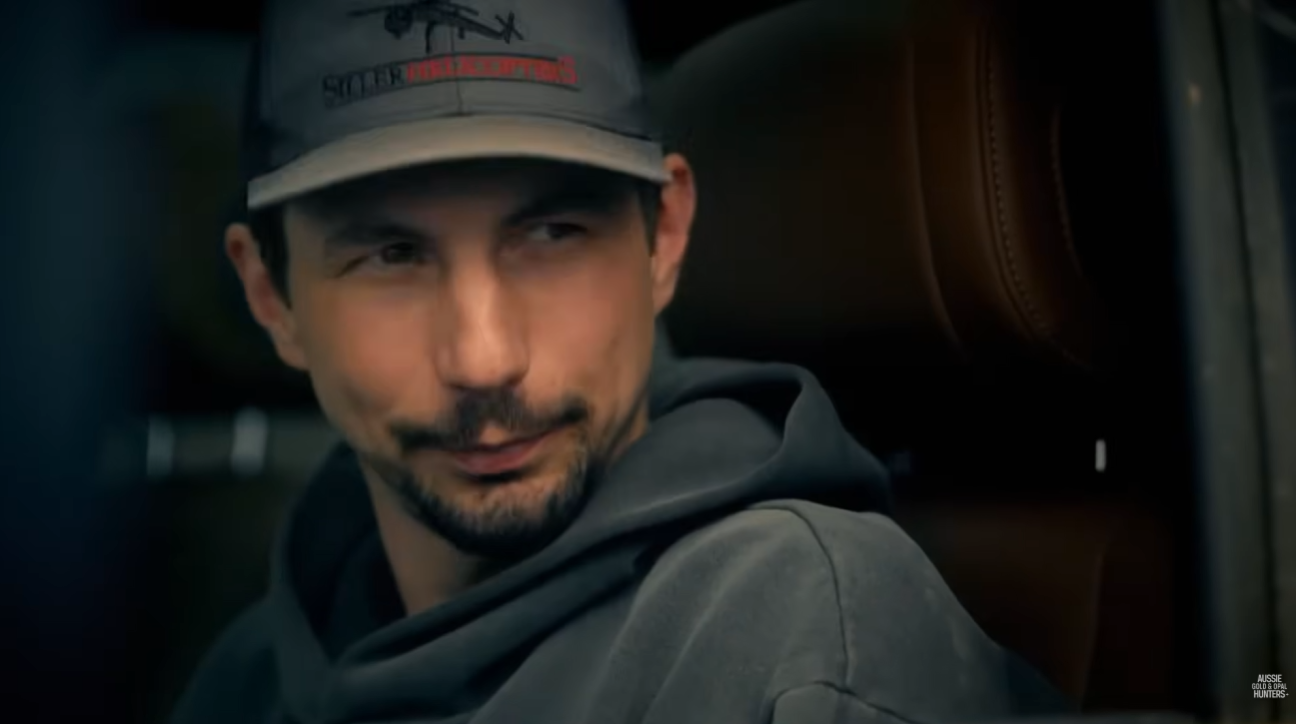
That lost day matters enormously. For Parker, each hour of downtime represents gold that may never be recovered. His season is already under pressure, and the operation cannot afford to let productive ground sit idle while pay piles continue to build. The delay therefore becomes more than a scheduling inconvenience. It is a direct blow to the efficiency Parker needs in order to keep his 10,000-ounce chase alive.
For Brennan, the moment is more complicated than a simple failure. He does not make a reckless error. He does not damage the plant. In fact, he identifies a genuine threat and makes the responsible decision to avoid a larger disaster. Yet Gold Rush has always shown that in Parker’s world, leadership is judged not only by making the right call, but by delivering the right result at the right time. Brennan’s choice may have been technically correct, but it still leaves the crew behind schedule when Parker can least afford it.
That tension appears to feed into a broader story surrounding Brennan’s return to Parker’s team. According to the account, this season was more than another job for him. It was a second chance after years away, reportedly following earlier disagreements over their working relationship. His return offered a chance to rebuild trust and prove that he could still operate at the heart of Parker’s crew. The Big Red move was therefore not just another assignment. It was an opportunity to show Parker that he could lead under pressure at the highest level.

In some respects, Brennan does exactly that. He shows composure, technical awareness and an ability to manage a difficult move without chaos. But in Parker’s high-pressure system, competence alone is not always enough. What matters is flawless execution, and this is where Brennan’s performance becomes a study in contrasts. He is steady but not fast enough. Careful but unable to preserve momentum. Sensible in his judgement, but still associated with a costly delay.
When the repair is finally complete and Big Red powers back up, there is obvious relief. Dirt begins flowing again, and Parker’s crew can return to processing Golden Mile pay without further interruption. The decision to replace the belt proves justified because the plant resumes work smoothly rather than suffering a breakdown during production. But the lost 24 hours do not disappear. In late-season mining, time is often as valuable as the ground itself.
That is what makes Brennan’s moment so compelling. He avoids catastrophe, yet still leaves questions hanging over his standing. He proves he can handle pressure, but not that he can completely master Parker’s relentless pace. And for Parker, who prizes urgency as much as sound judgement, that distinction matters. The delay may not define Brennan’s season on its own, but it does sharpen the scrutiny around him at exactly the moment he needed a clean breakthrough.
As Gold Rush heads toward its finale, the consequences of this episode are clear. Parker and his crew now have even less room for error than before. The day that Big Red sat idle cannot be recovered. It can only be offset through stronger output, longer hours and near-perfect execution from here to the finish. For Brennan, the lesson is equally stark. In the Klondike, making the right decision is only part of the job. The harder challenge is making it without losing the momentum that keeps an operation alive.