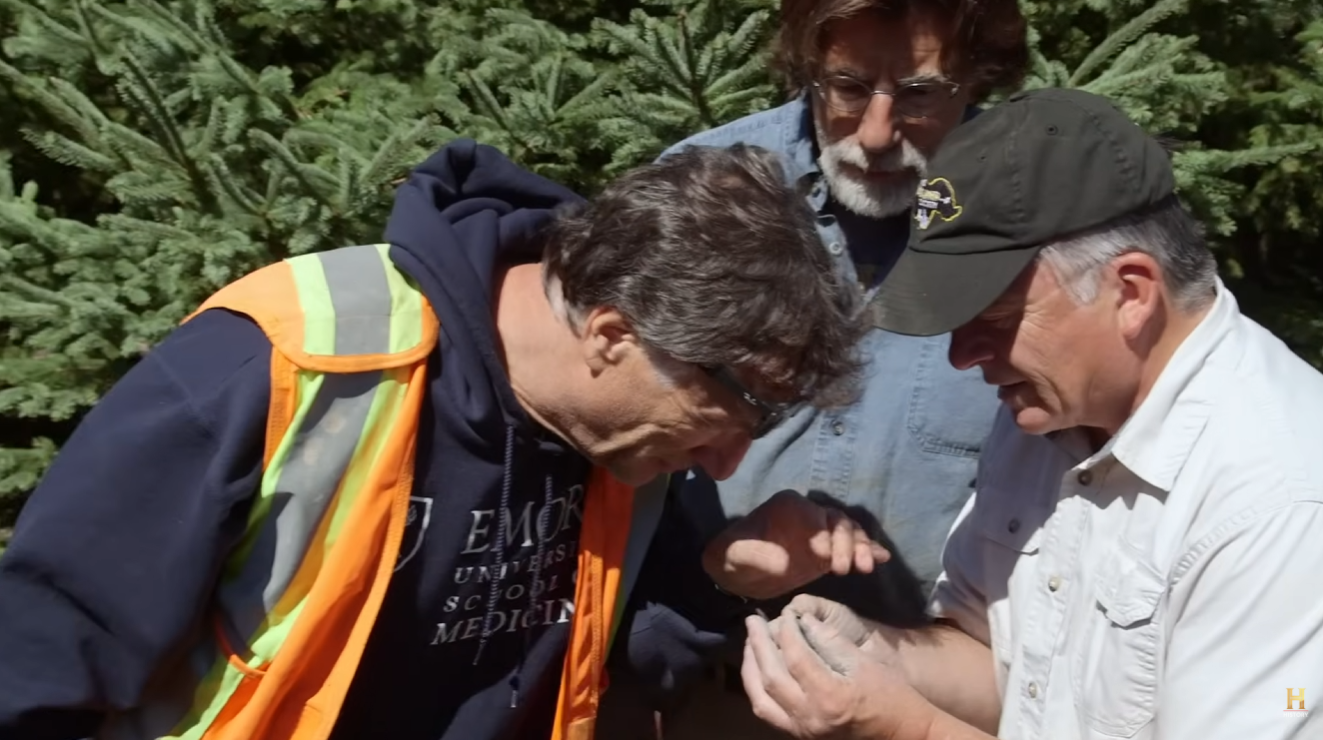
For years, Oak Island has been driven by the promise that one more dig, one more sample, or one more clue could finally bring the island’s long-running mystery into focus. Now, as another season edges toward its close, Rick and Marty Lagina believe they may once again be standing near a discovery that could reshape the story of the island.
The latest attention is centred on an area near the old shipyard and Garden Shaft, where the team believes something man-made may lie beneath layers of clay, water and packed earth. According to the account of the recent work, the breakthrough did not begin with a glittering object or a dramatic reveal, but with a series of subtle scientific clues. Dr Ian Spooner and Dr Fred Michael had spent months studying soil and water samples, and what they found was unusual enough to shift the entire direction of the team’s final push. Traces of metal not typical of the region appeared in the data, raising the possibility that something significant could be hidden underground.
That was enough to send the team into one more high-pressure excavation before winter forced operations to pause. On Oak Island, the weather is always as important as the theory. As temperatures drop and the season nears its end, every decision feels heavier. There is little room for wasted time, and even less room for mechanical error. That urgency gave the latest drilling campaign a sense of finality. The site had to matter. The sample had to reveal something. Otherwise, another year would end with questions still outweighing answers.
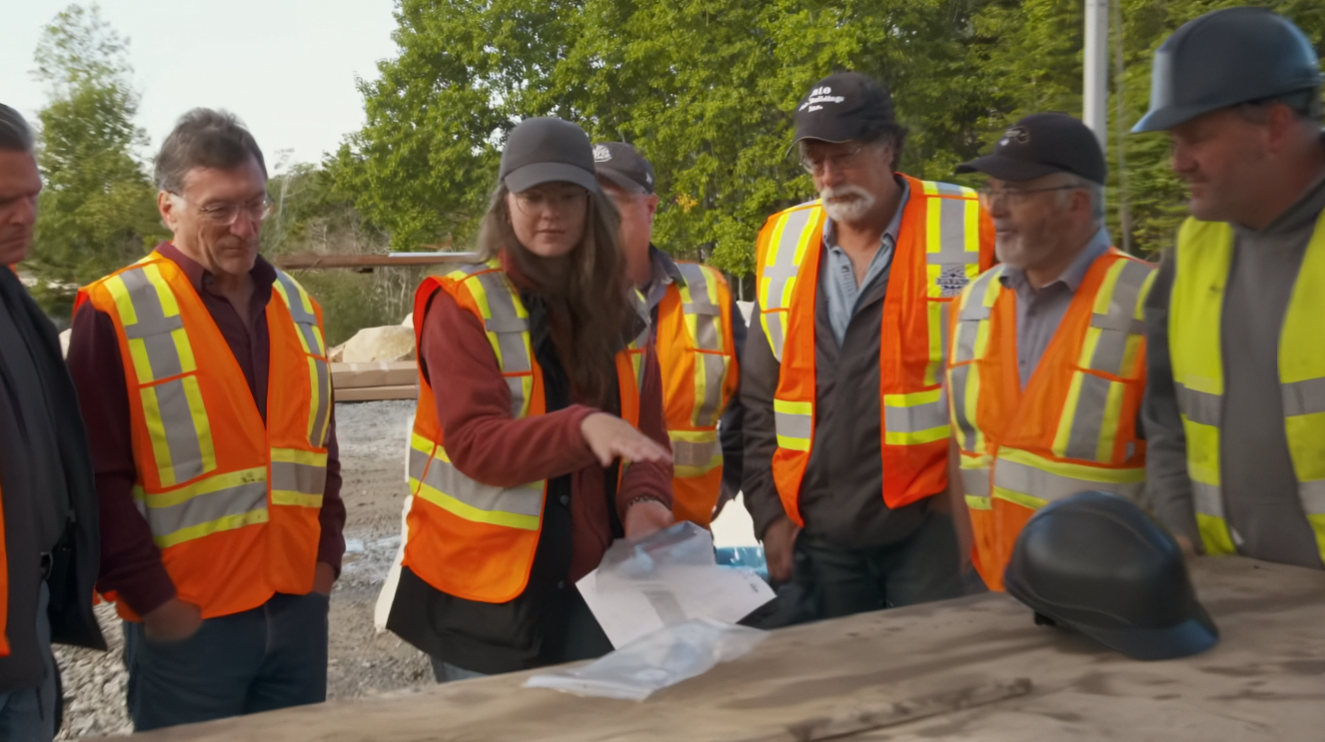
The chosen target, identified as E514 near the old shipyard garden, was treated as more than just another location on a map. The team believed the readings there could point to valuable metal at depth, perhaps 100 feet down, and possibly even to an underground tunnel or chamber. As drilling began, anticipation grew across the site. Core samples were brought up and studied closely for anything out of place: unusual fragments, traces of construction, or signs that the drill had touched something that did not belong to the natural geology of the island.
Then came the kind of moment Oak Island lives on. One sample reportedly contained a piece of dark metal, shaped in a way that suggested human workmanship rather than a natural formation. At another point, the drill began to strain, the sound changed, and the machine seemed to meet resistance from something solid and possibly artificial. For the team, these were not answers, but they were exactly the kind of signals that keep the mystery alive. A shaped metal fragment and an abrupt mechanical shift beneath the ground were enough to make the site feel different from the countless disappointments that have come before.
Still, Oak Island is a place where possibility and proof rarely move at the same speed. The same account that describes rising excitement also acknowledges the exhausting pattern that has defined so much of the search. Again and again, the team has found sand, mud, water and fragments that appear promising at first but later prove inconclusive. The season’s final stages brought more of that familiar cycle. Flooding, difficult soil conditions and repeated encounters with unhelpful material once again slowed progress. In places, the island seemed to offer clues with one hand while taking clarity away with the other.
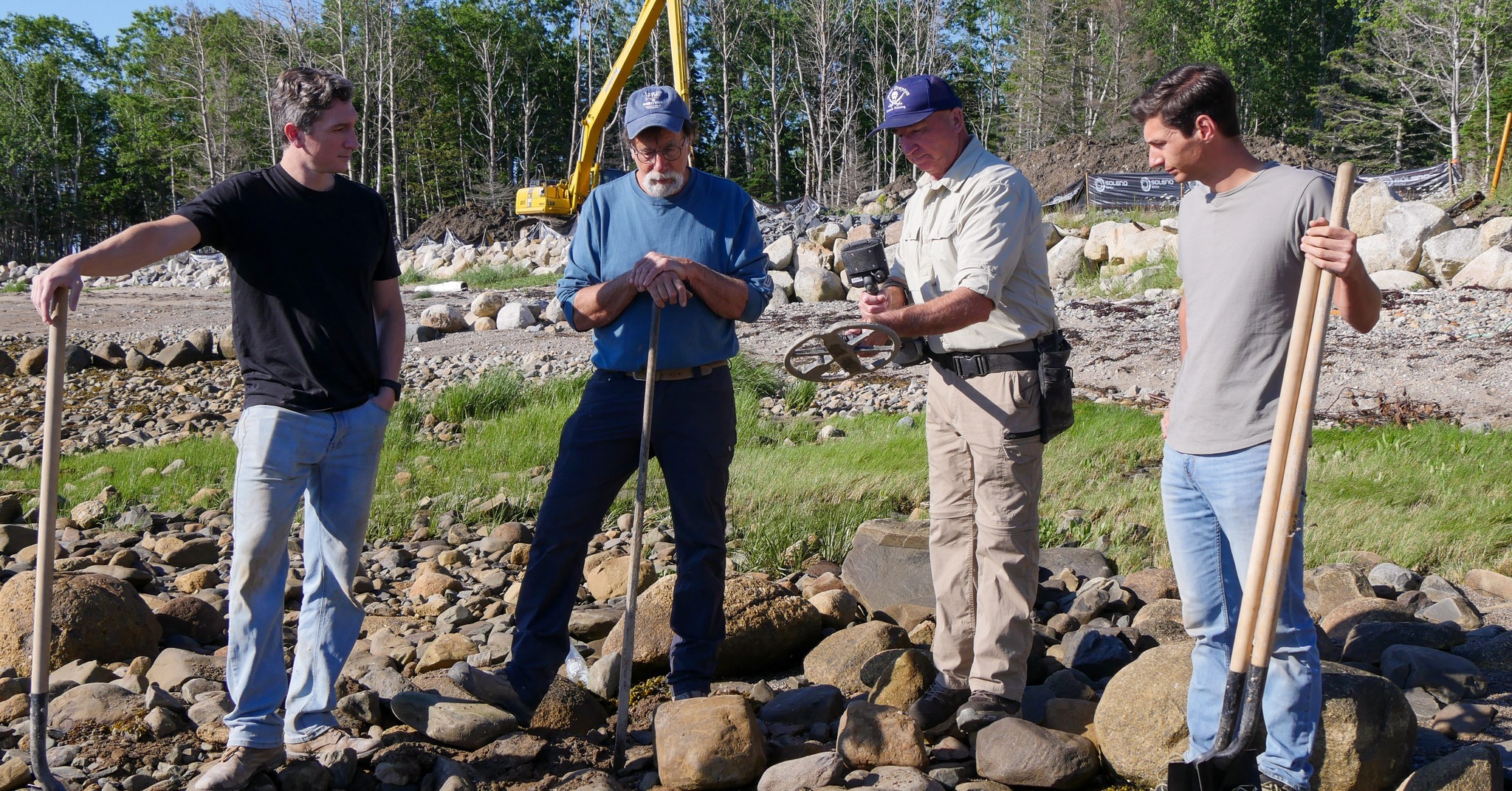
That tension may be the true story of Oak Island now. The search is no longer only about buried treasure. It has evolved into something broader: part archaeological experiment, part historical investigation and part long-form study in persistence. The Lagina brothers and their team are not simply chasing pirate gold. They are trying to understand whether the island’s strange signs — old wood, metal traces in water, underground anomalies and unusual structural fragments — belong to a coherent buried system or to centuries of layered misdirection.
The latest work near Garden Shaft and the old shipyard fits neatly into that larger pattern. The team suspects an ancient tunnel may connect to the ocean and possibly explain flooding in the area. They also believe this route may have served a defensive purpose, concealing or protecting something further inland. Whether that theory will hold up remains uncertain, but the combination of scientific data, drilling resistance and suspicious material has given them enough confidence to keep that possibility alive.

And that is what continues to make Oak Island compelling, even after so many seasons of near-misses. The site no longer offers simple treasure-hunt logic. Instead, it presents layers of evidence that invite interpretation but resist conclusion. Every small fragment becomes a debate. Every odd reading becomes a new working theory. Every setback becomes a reason to return with a different method.
As this latest chapter closes, the team once again finds itself in a familiar position: encouraged, unconvinced and not ready to walk away. They have not uncovered the definitive treasure that popular legend still promises. But they believe they have seen enough to justify another return.
For Rick and Marty Lagina, that may be Oak Island’s real power. The island does not reveal enough to end the story. It reveals just enough to keep it going.