
Parker Schnabel continues a five-plant mining strategy in Gold Rush season 16, recording a $2 million weekly output while managing equipment failures and operational adjustments.
At Dominion Creek, operations continued under a multi-plant setup led by Gold Rush’s Parker Schnabel, with coordination across several active wash plants.
The five-plant system included GG, Big Red, Bob, Sluicifer, and Roxanne, each assigned to different cuts and crews.
Production targets remained aligned with seasonal output goals as multiple sites processed pay dirt simultaneously.
Across the system, plant rotations and equipment allocation were adjusted based on performance and mechanical status.
Bob operated at the Bridge Cut before a structural issue was identified in its screen deck, requiring removal from active rotation.
Sluicifer was moved in as a replacement unit during the same cycle, while other plants continued operation to maintain throughput.
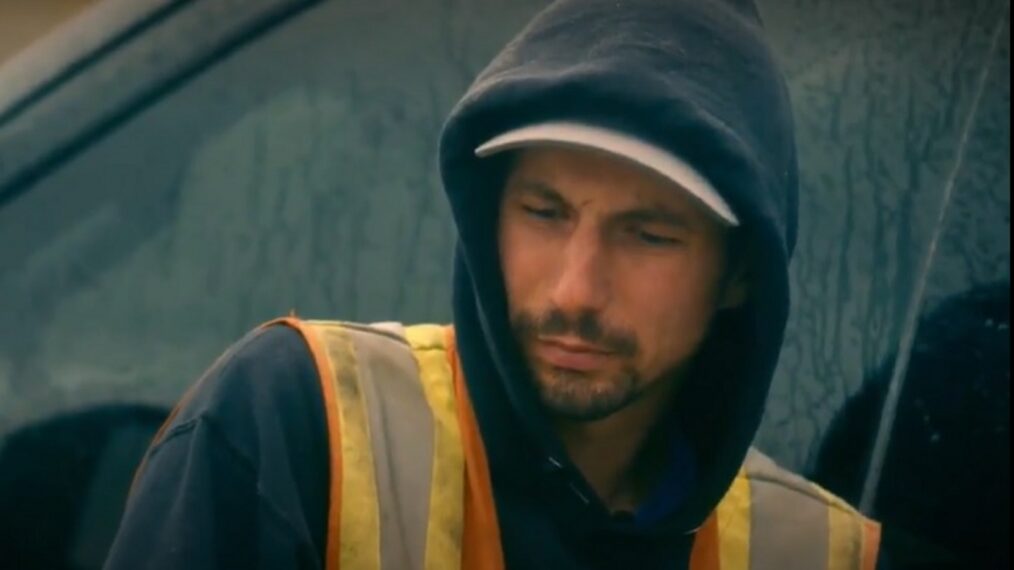
Weigh-ins recorded output across all five plants within a combined 548.55 ounces for the week, calculated at nearly $2 million based on prevailing gold prices.
Each plant contributed distinct totals depending on runtime hours and material processed during the reporting period.
Five-Plant Output and Equipment Movements at Dominion Creek
Parker Schnabel’s Plant Rotation and Operating Targets
Parker Schnabel maintained a configuration involving continuous operation of multiple wash plants to sustain weekly production levels.
GG and Big Red continued processing material at the Golden Mile, while Bob and Sluicifer alternated roles at the Bridge Cut due to mechanical constraints.
The operating plan required coordination between foremen and field mechanics to manage movement schedules. Bob’s screen deck issue led to a replacement requirement, with the part sourced from
Vancouver Island and transported approximately 1,800 miles to Dominion Creek. The installation process was completed within the weekly cycle to restore processing capacity.

Runtime data showed Bob operating for 37 hours before shutdown, followed by Sluicifer completing 35 hours after deployment.
Output distribution across all active units contributed to the overall weekly total, with no single plant responsible for the full production figure.
Equipment Failures and Replacement Logistics
Mechanical interruptions occurred across multiple units during the week. The identified structural cracks in Bob’s shaker deck required removal from service and replacement of core components.
Transport and installation logistics involved expedited shipment and on-site welding of support structures to secure the new deck.
Additional equipment adjustments included movement of sluicing units between cuts to limit downtime. These transitions required coordinated shutdowns and restarts across multiple plants, affecting scheduling across the operation.
Tyson Lee oversaw field-level execution of equipment changes and coordinated mechanical response. External communication supported parts delivery timelines, allowing replacement components to arrive and be installed within the operational window.
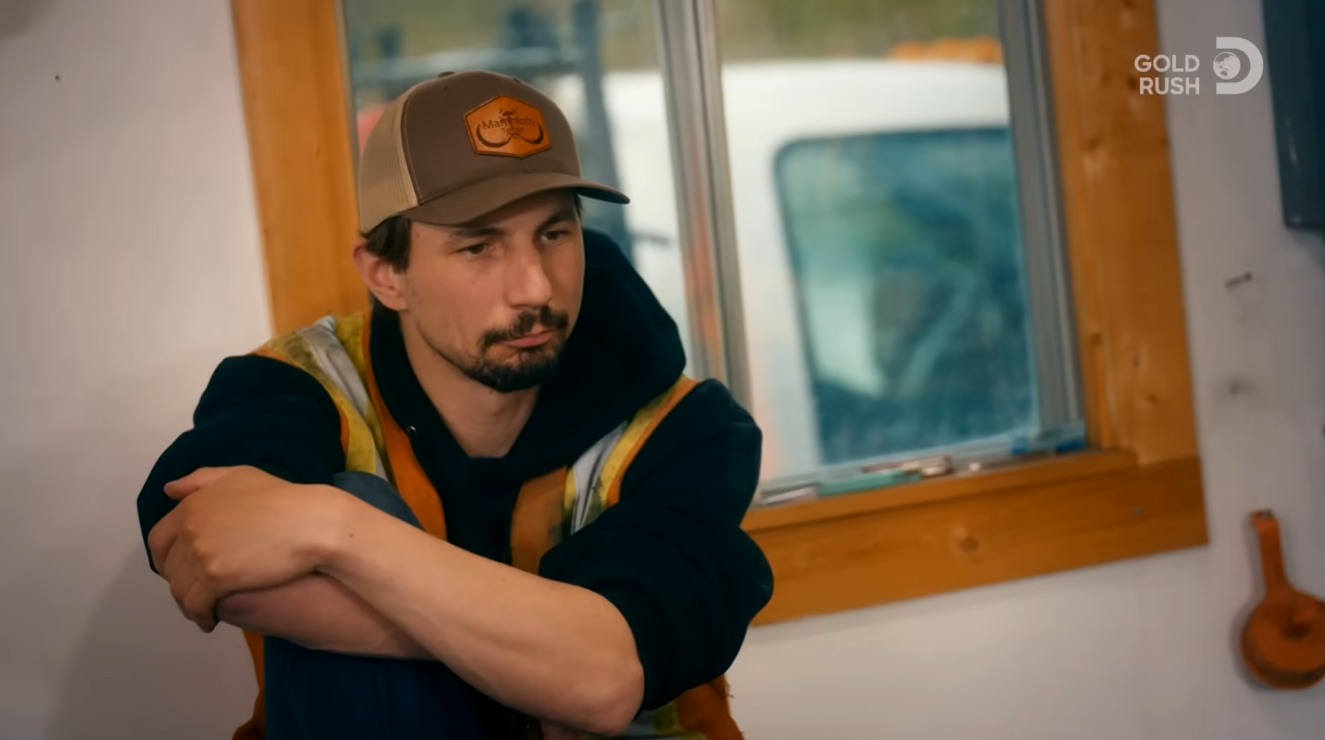
The adjustments enabled continued processing across remaining active plants during the maintenance period.
Rick Ness and Kevin Beets Production Outcomes
At Duncan Creek, Rick Ness continued mining at the Valhalla Cut following earlier overburden removal and pit access development.
After a period without sluicing activity, production resumed using Monster Red to process accumulated material. Two weigh-ins recorded 100 ounces and 105.4 ounces, totaling 205.4 ounces for the period.
At the Sphynx Cut, Kevin Beets continued operations under budget constraints and production pressure.
A broken set of grizzly bars required a temporary shutdown for repair, resulting in approximately six hours of lost production time. Repairs included heating, reshaping, and welding structural components to restore operation.
Weigh-ins for Kevin Beets’ operation totaled 221.87 ounces over a two-week period, bringing the seasonal total to 1,215 ounces.
Veteran operator support was added to maintain continuous plant operation during the reporting period.
Across all three operations, combined weekly production reflected parallel mining strategies at different sites, each dependent on equipment availability, maintenance response, and processing schedules.