The Oak Island team believes it may be edging closer to one of its most significant breakthroughs yet, after new testing revealed unusually high traces of gold on a metal fragment recovered from the Money Pit area and fresh evidence pointed to what could be a tunnel system linked to the Garden Shaft.
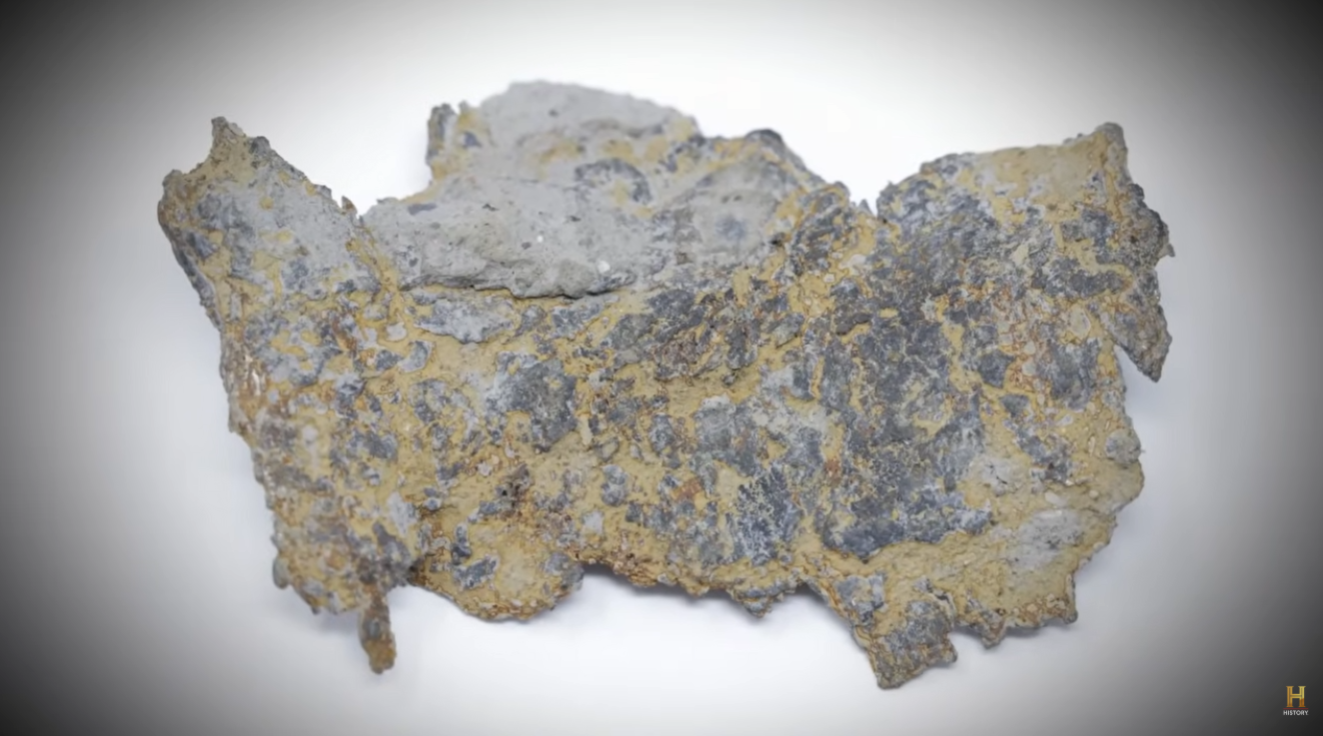
The latest developments unfolded as Rick and Marty Lagina, Craig Tester and the wider fellowship continued their strategic drilling campaign in the area known as the C1 cluster, a zone that has increasingly emerged as one of the most promising targets on the island. The excitement grew when XRF testing on a mysterious metal piece recovered from borehole D2 returned a striking result: gold, and in concentrations high enough to immediately capture the team’s attention. According to the account, the reading came in at around 700 parts per million, raising the possibility that the object had either been in close contact with gold or may itself be part of something valuable.
For Rick Lagina and others on the team, that result was more than just another encouraging sign. It added fresh weight to the theory that the C1 cluster may sit close to the long-suspected treasure vault. The metal fragment had been recovered from a depth of 88 feet in D2, where the team had also found wood later carbon-dated to as early as 1488. Combined with earlier water tests showing elevated traces of gold and silver in nearby boreholes, the new evidence has only strengthened belief that this section of the Money Pit may contain something far more important than scattered debris from earlier searches.
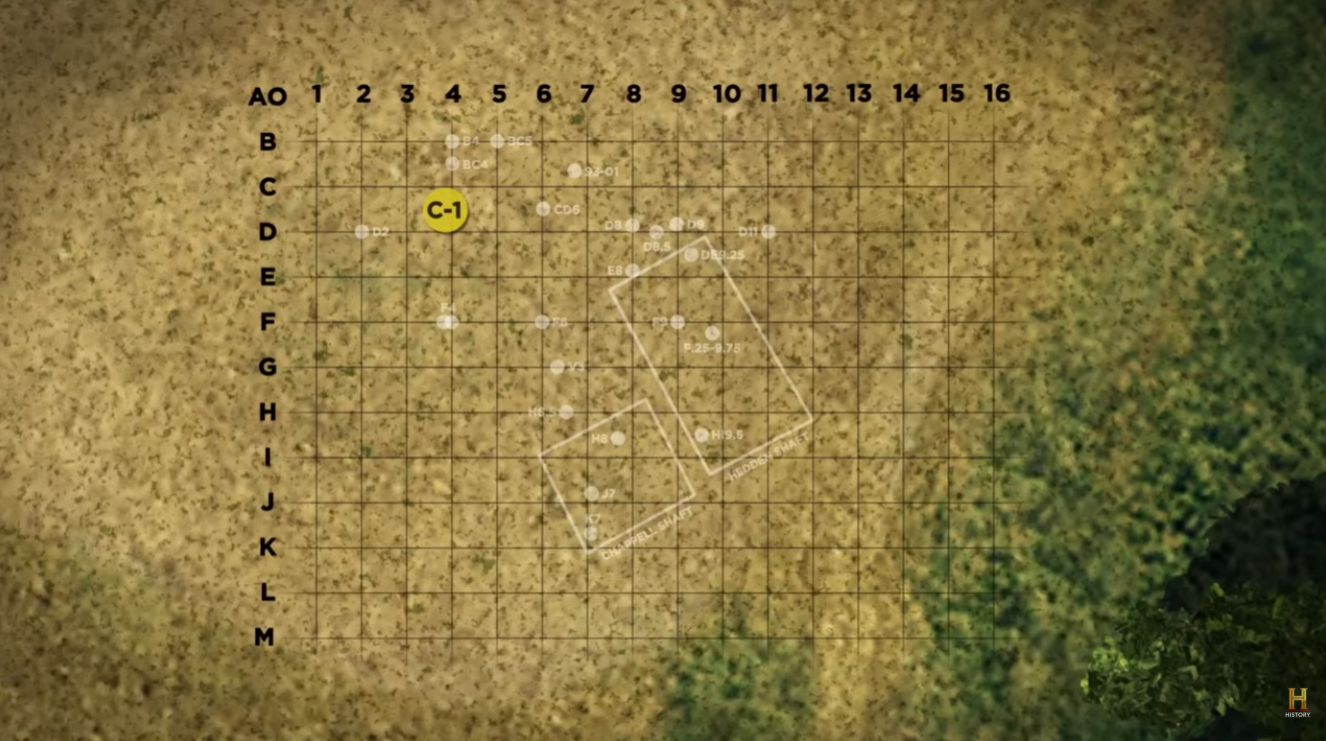
That is why the next drilling target, borehole B4, became so important. Located just 14 feet from D2, it sits at the northern edge of the C1 tunnel cluster and offers the team another chance either to strike treasure directly or to intersect a tunnel that could lead them toward it. The thinking is simple: even if the vault itself remains elusive, a tunnel may still point the way.
At the same time, another part of the investigation has begun to look equally compelling. While monitoring drilling near borehole 8.5 and Dash 13.5, geologist Terry Matheson, surveyor Steve Guptill and historian Paul Troutman observed signs that suggested they may be pressurising a hidden underground void near the Garden Shaft. The most visible clue came in the form of air bubbles rising in the Garden Shaft pond. For the team, that odd reaction hinted strongly at the existence of connected voids or tunnels beneath the surface. In practical terms, it meant that drilling activity in one area may have been affecting another through an underground passageway.
Rick Lagina described that possibility as especially exciting because it appeared to confirm what the team has long suspected: that a tunnelling system could exist beneath the Garden Shaft and perhaps connect directly into the wider Money Pit mystery. Marty Lagina seemed to agree, calling the area one of the most interesting the team has investigated in the past decade.
The significance of the Garden Shaft deepened further in a key meeting with Dumas Contracting Limited, one of North America’s leading shaft engineering and mine construction specialists. The company laid out a plan to rehabilitate the old 10-by-10 wooden crib shaft, stabilise it, control water infiltration and make it safe for the Oak Island team to descend underground themselves. If completed, the project would mark a major turning point in the search. For the first time, Rick, Marty and other members of the fellowship could physically enter the Money Pit area below ground rather than relying solely on boreholes, caissons and remote data.
To Rick Lagina, that possibility represents something far bigger than a construction job. It offers what he called an eyes and boots approach, a rare chance to directly observe the shaft and any nearby voids, structures or tunnels that may finally explain what happened during the so-called depositional phase of Oak Island’s history. In other words, it may bring the team closer not just to treasure, but to understanding who built the system and why.
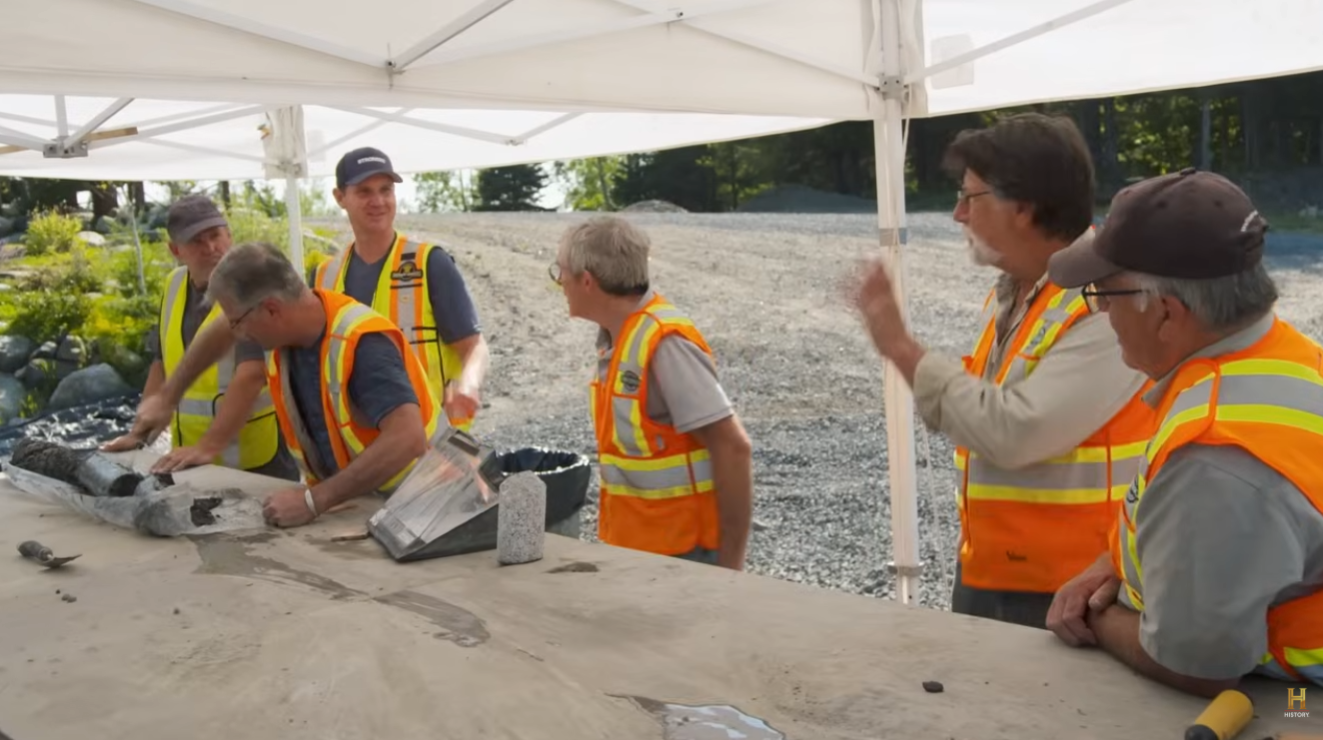
Yet Oak Island’s mystery is never confined to one search zone. On Lot 5, Gary Drayton, Laird Niven and Emma Culligan continued analysing finds from a large stone foundation near the shoreline. One coin, scanned with CT technology, was identified as an English penny or halfpenny from the reign of George III, likely dating to the 1770s. That would place it decades before the reported discovery of the Money Pit in 1795, raising obvious questions about who was active on the island before the legend officially began.
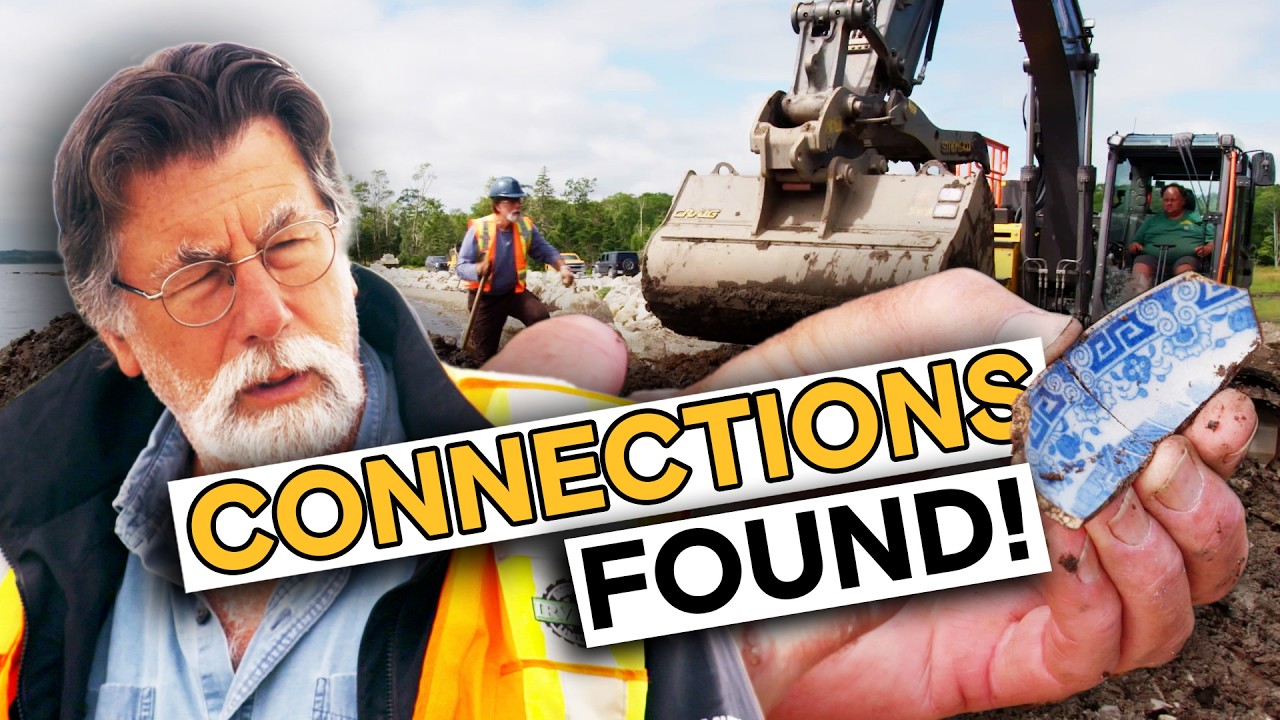
Even more eye-catching were the discoveries near the stone road in the swamp. There, the team recovered multiple pieces of pottery, including what appeared to be high-end Chinese porcelain, as well as fragments from other vessels and the heel of an old boot or shoe fastened with handmade nails. Rick Lagina suggested that the sheer range of pottery may indicate that many people spent considerable time at that location over a long period, perhaps even across centuries. The finds have added another layer to the broader effort to understand what the stone road was for and who used it.
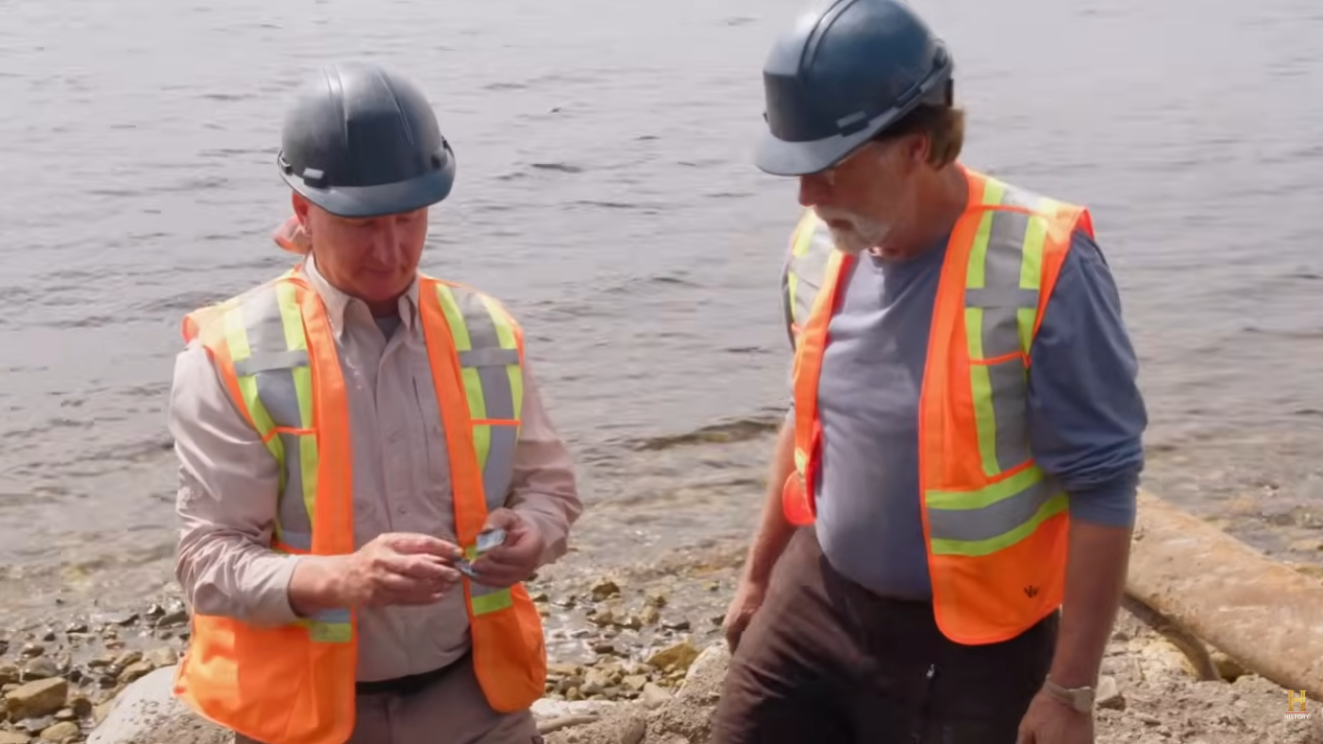
Taken together, the latest findings show why optimism remains so high on Oak Island. Gold-bearing metal, ancient wood, bubbling evidence of underground voids, a plan to re-enter the Garden Shaft, pre-1795 coins and imported pottery all point to a site that appears increasingly structured, active and historically complicated. None of it proves that the treasure has been found. But it does suggest that the team may be narrowing in on one of the strongest clusters of evidence they have ever had.
For now, the biggest question is whether the combination of strategic drilling and the Garden Shaft rehabilitation will finally allow the fellowship to move from indirect clues to direct exploration. After years of drilling through mud, wood, water and theory, Oak Island may be approaching the point where the mystery can be confronted face to face.