Tyson Lee grows emotional as Gold Rush crew faces personal heartache amid a pivotal week in the field


Gold Rush season 16 episode 21 is built around pressure, production and the constant race to keep a mining season alive. But beyond the weekly targets, machine moves and ground concerns, one of the most affecting aspects of the episode comes from the emotional strain that hangs over the crews as they push through another crucial stretch of the season. In a week where every load matters, the human side of mining becomes just as visible as the gold itself.
The episode, titled 1,000 Ounce Week, opens with three major storylines unfolding at once. Tony Beets is chasing a huge weekly target of more than 1,000 ounces, a number that would underline both the strength and scale of his operation. Parker Schnabel, meanwhile, is looking ahead, bringing in new equipment to help open additional ground and give his team more options for the remainder of the season. Rick Ness faces a different kind of challenge, as his crew tries to hold on to momentum while signs begin to emerge that the hot streak they had been enjoying may not last.
On paper, the episode is about production. In reality, it is also about endurance. Mining is shown not as a string of dramatic breakthroughs, but as a grind where weak ground, equipment strain and time pressure combine to test everyone involved. That atmosphere gives added weight to Tyson Lee’s emotional moment, because it comes in a setting where toughness is often assumed and feelings are rarely the focus.
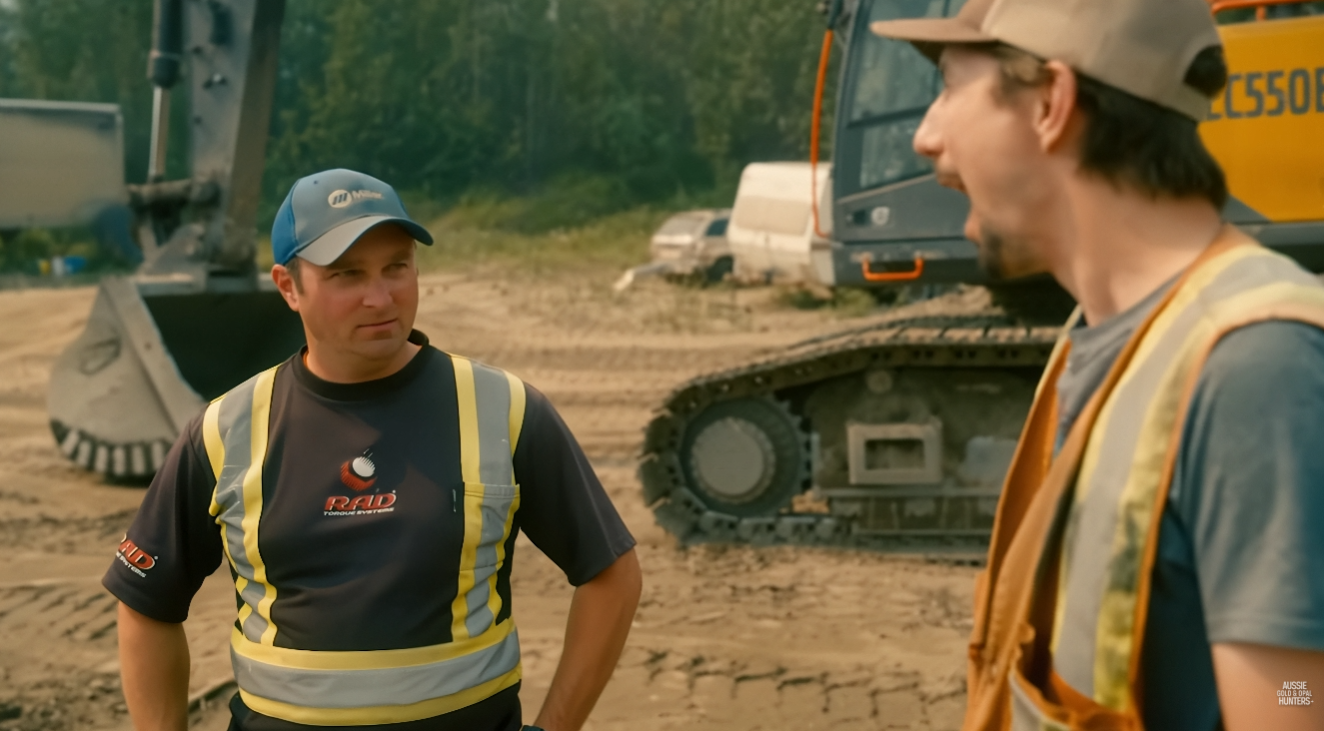
The broader episode repeatedly returns to one central truth: hope alone does not keep a season alive. The ground has to pay. That principle hangs over Tony, Parker and Rick in different ways. Tony’s ambition is immense, but a goal of 1,000 ounces demands consistency across the entire operation. Every truck, every plant and every shift has to perform. Even a minor delay can cost ounces that never come back. The pressure is not dramatic in a theatrical sense, but it is relentless, and that is what makes the target so compelling.
For Parker, the tension lies in expansion and risk. He is not simply trying to keep today’s work moving. He is trying to create tomorrow’s opportunity. The arrival of a new machine is treated not as a flashy upgrade, but as a practical gamble on future ground. If it works, it opens the door to more production and greater flexibility. If it underperforms, it becomes just another burden in a season where every investment has to justify itself. That uncertainty runs quietly through his storyline, making the machine a symbol of both promise and pressure.
Rick’s side of the episode is perhaps the most fragile. His crew has been lifted by a recent run of strong ground, and that kind of success can change the mood of an entire camp. But the file makes clear that burning through pay is one of the hardest realities in mining. It is not loud and sudden. It is slow, creeping and demoralising. The buckets still move, the plant still runs, but the value in the dirt begins to thin out. That change forces difficult questions about whether the crew has stayed too long in one place and whether the next cut will truly offer relief.
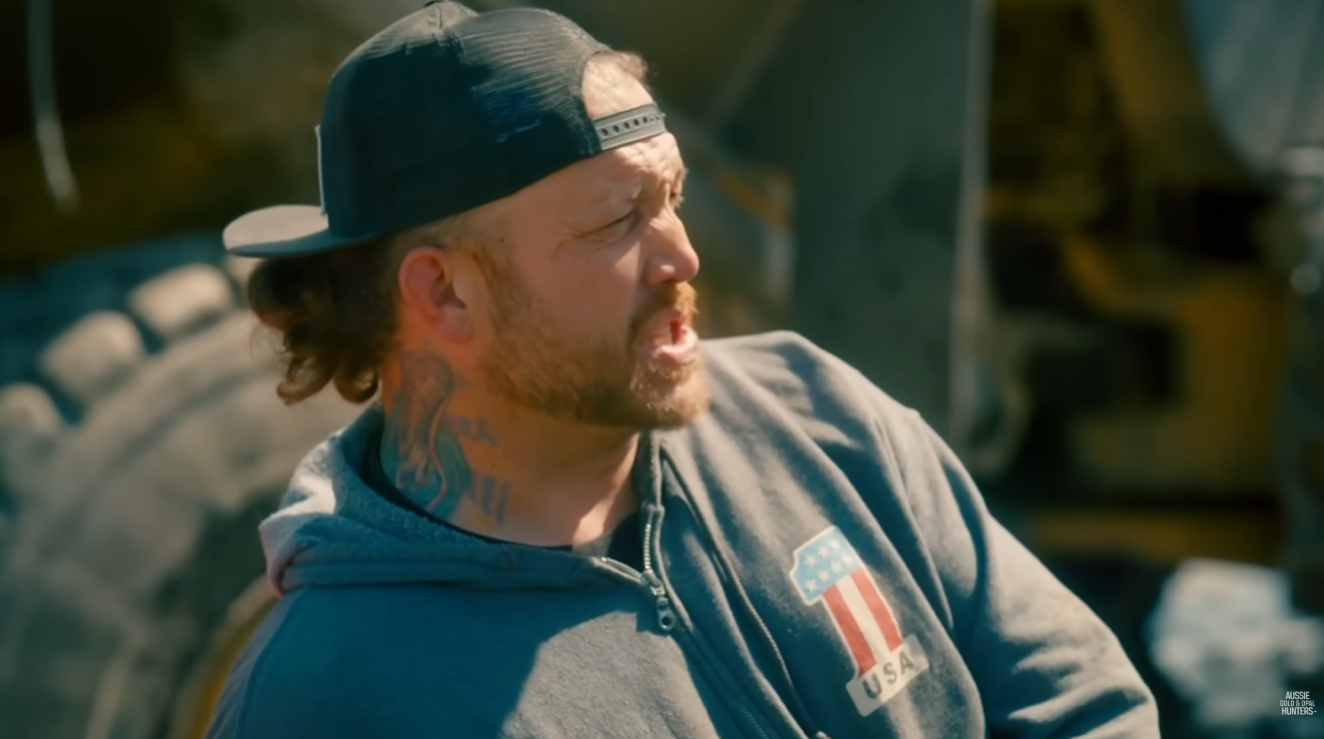
It is within that atmosphere of pressure and uncertainty that Tyson Lee’s emotional response lands so strongly. While the file primarily focuses on the week’s three central mining arcs, the title and framing around Tyson point to something deeper than ordinary operational stress. His emotion stands out precisely because Gold Rush often presents miners as people who keep moving no matter what. When someone like Tyson visibly feels the weight of a personal situation connected to a former crew member’s leukemia battle, it shifts the tone. It reminds viewers that these crews are not only working under financial and seasonal strain. They are also carrying personal burdens that machines and ounces cannot measure.
That emotional layer fits naturally with the episode’s wider message. Mining has always been about more than the gold count. It is about judgment, resilience and the ability to keep going when things around you begin to slip. Tony’s storyline shows the pressure of ambition. Parker’s shows the risk of building ahead. Rick’s shows how quickly confidence can fade when the ground changes. Tyson’s moment, by contrast, reveals the cost of carrying real-life pain into an already punishing environment.
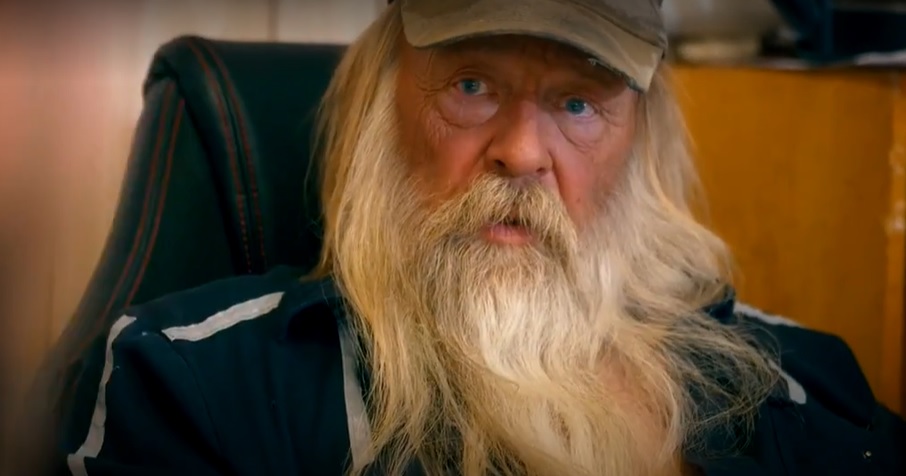
By the end of the episode, what remains is not only the suspense of whether Tony hits his giant target, whether Parker’s investment pays off, or whether Rick can recover his footing. It is also the reminder that the people behind these operations are never untouched by what is happening around them. The gold fields demand strength, but strength does not always mean silence.
That is why Tyson Lee’s emotional moment matters. In an episode driven by numbers, machines and ground strategy, it brings the focus back to the human cost behind the work. Gold Rush has long been built on the tension between ambition and hardship. This week, that tension is not only measured in ounces, but in how much weight a person can carry while still showing up to do the job.