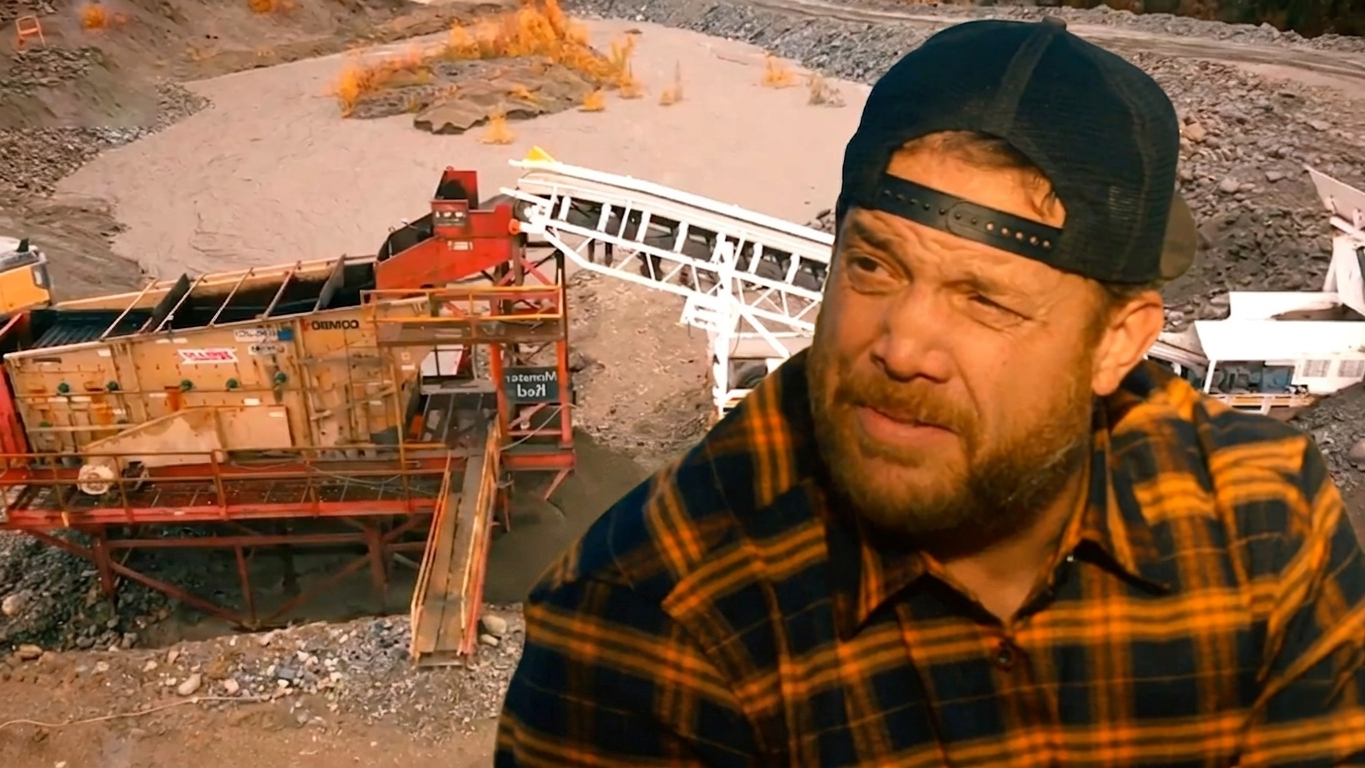
Rick Ness returned to a familiar source of hope just as his season appeared to be slipping away.
With only weeks left to mine, rising gold prices have made every missed day feel more costly across the Klondike. For Ness, the timing could hardly be more frustrating. Gold has surged from around $2,600 at the start of the year to $3,600, creating record highs and the kind of market conditions miners wait years to see. But after months without steady sluicing, Rick and his stripped-down crew are in no position to fully seize the moment.
Instead, they are fighting to keep their operation alive.
After spending heavily to open the massive Valhalla cut, Rick had hoped the ground would revive his season. The move came with major financial pressure and a clear sense of risk. But after removing deep overburden, the team hit what no miner wants to find at that stage of the year: clay, and no meaningful pay. The disappointment left the operation exposed, with money going out fast and little coming back in.
As the setback deepened, outside interest began to circle. Other miners openly suggested Rick should walk away and sell. But Rick was not ready to give up. Rather than shut things down, he turned back to the one place that had rescued him before: Vegas Valley.
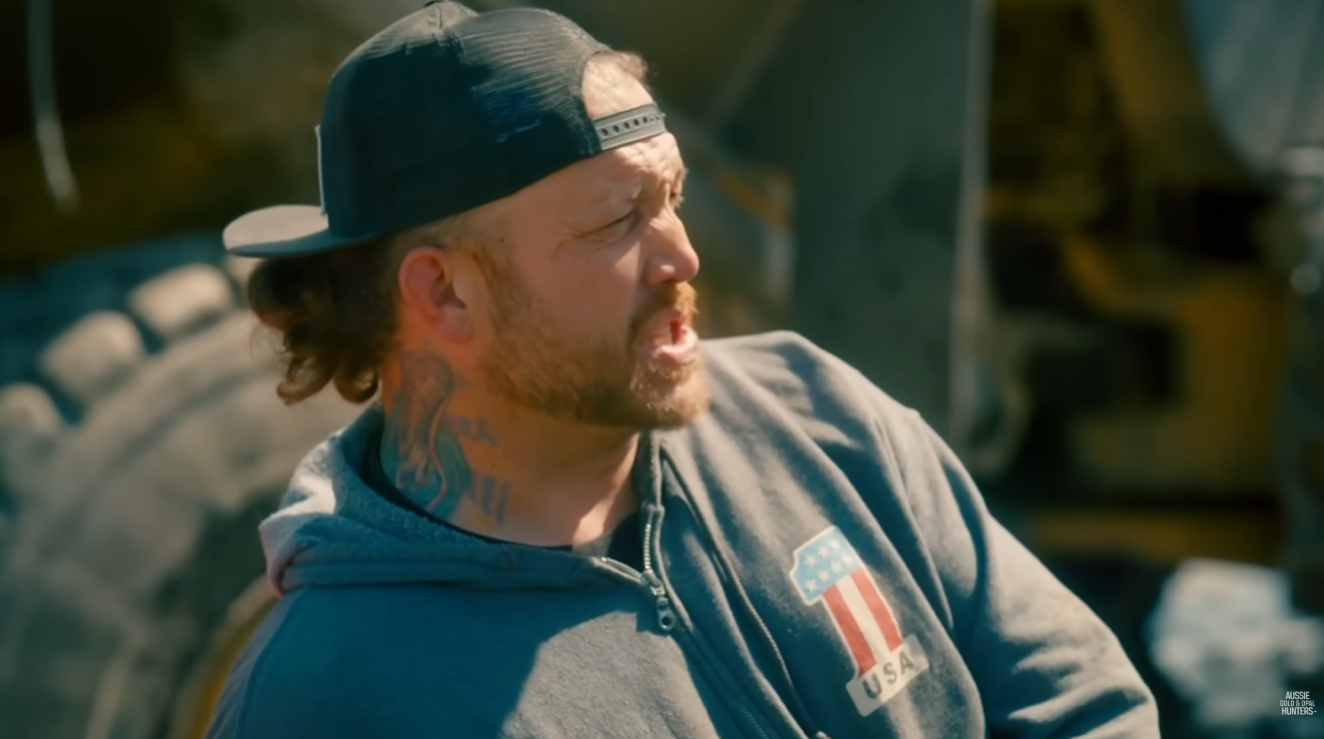
The cut is not just another patch of ground. It is the richest Rick has ever mined, and last season it delivered the kind of numbers that kept his operation moving. This time, with four weeks remaining, he believed it could still produce as much as 350 ounces a week. That target suddenly became central to everything. Reaching 1,800 ounces for the season looked distant, but not impossible, if Vegas Valley could perform again.
The mood at the site changed as the crew restarted Monster Red, the wash plant that had stood idle for nearly two months. There was relief in simply seeing dirt move again. For a team that had gone so long without pulling gold, the moment felt less like a routine restart and more like a return to life.
Crew members spoke openly about the strain of the shutdown. Bonuses were in doubt. Bills were mounting. Confidence had been shaken. Yet once the first bucket went in and the plant came alive, the atmosphere shifted. Rick, who had spent weeks under mounting pressure, admitted that the simple act of washing pay again brought a wave of relief. At last, gold was moving through the system.
That optimism, however, did not last long without interruption.
Just two days after getting back up and running, the crew suffered another familiar problem: equipment trouble. One rock truck went down with a flat tire. Another began making worrying noises in the driveline. Suddenly, the wash plant had to be shut down again because there was not enough material reaching the stockpile. For an operation already short on time, the lost hours carried real consequences.
The mechanical issues were not isolated. This marked the crew’s third broken driveshaft of the season, a sign of how hard both men and machines had been pushed. With only one spare driveline left and the last spare tire now being used, every repair felt like a reminder of how thin the margin had become.
Still, the team responded quickly. Mechanic Ryan and others tackled both truck failures at once, working to get Monster Red back online as fast as possible. It was messy, tiring, and exactly the kind of unplanned delay that can derail a final push. But they got through it. The trucks returned. The plant fired up again. The season, for the moment, remained alive.
By then, the challenge was clear. Rick did not just need decent ground. He needed exceptional ground. Every hour of downtime had raised the bar, and every day lost brought winter closer. The crew knew they would need a standout gold weigh to make the comeback feel real.
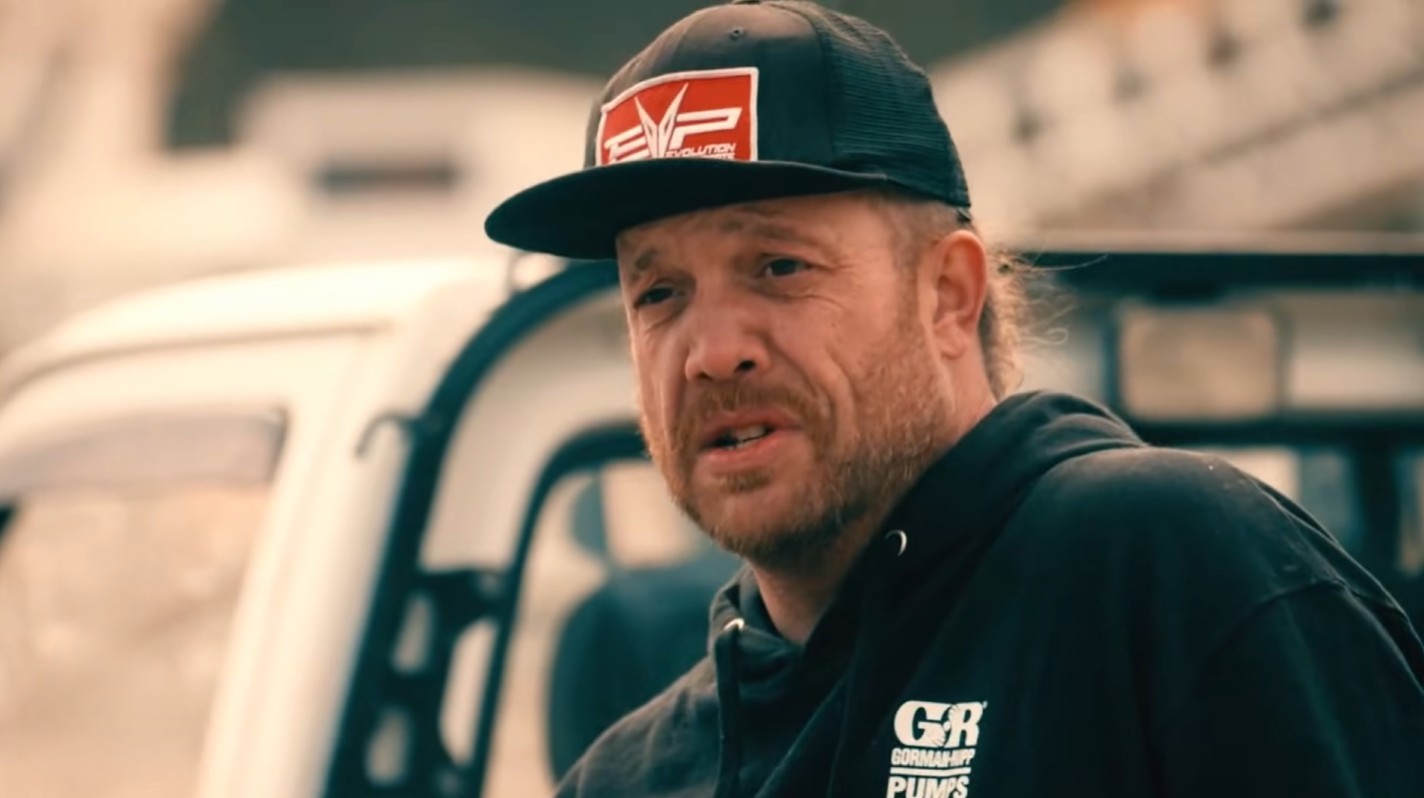
When that moment finally came, it offered encouragement, though not quite the full answer Rick wanted.
After weeks without meaningful production and more than a million dollars already sunk into a bruising season, Rick gathered with the crew to weigh their latest haul. The number came in at 205.4 ounces, worth just over $730,000 at current prices. It was a major return for a team that had spent so long waiting to get back on the gold.
But it was not 350 ounces.
No one pretended otherwise. The weigh proved Vegas Valley still had value, and it gave the crew badly needed momentum. Yet it also underlined the scale of the task ahead. Rick’s season total remained well short of where it needed to be, and the clock is still ticking.
Even so, the result changed the tone. There was gratitude, renewed belief, and a sense that the operation still had a chance to finish with dignity. Rick acknowledged how much depended on the loyalty of the small group still with him, thanking the crew for sticking through one of the hardest stretches of the season.
For now, that may be the most important number of all: not just the ounces on the scale, but the fact that Rick Ness is still in the fight.
