Deadliest Catch Throwback Shows Jake Anderson Proving Himself in a Pressure-Filled Northwestern Crisis

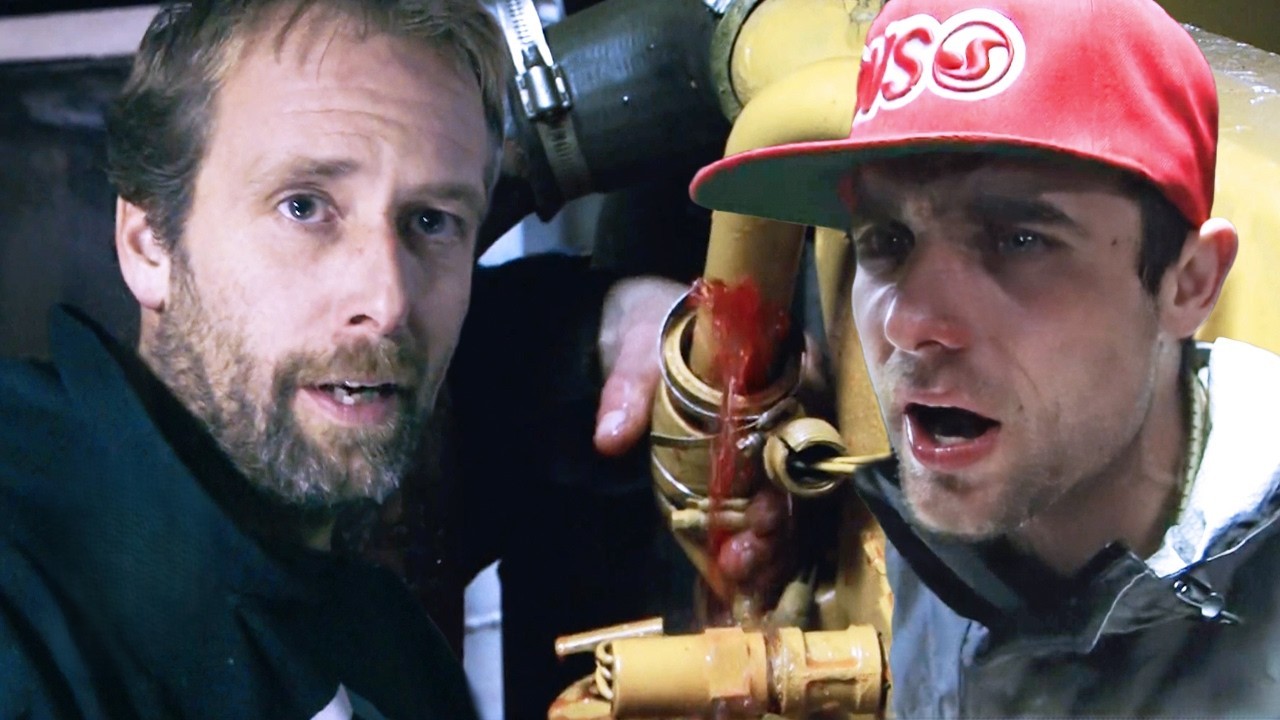
A tense Deadliest Catch flashback from 2013 has cast fresh light on one of the defining moments in Jake Anderson’s early rise aboard the Northwestern, showing how a dangerous mechanical failure at sea forced him to step up under extreme pressure.
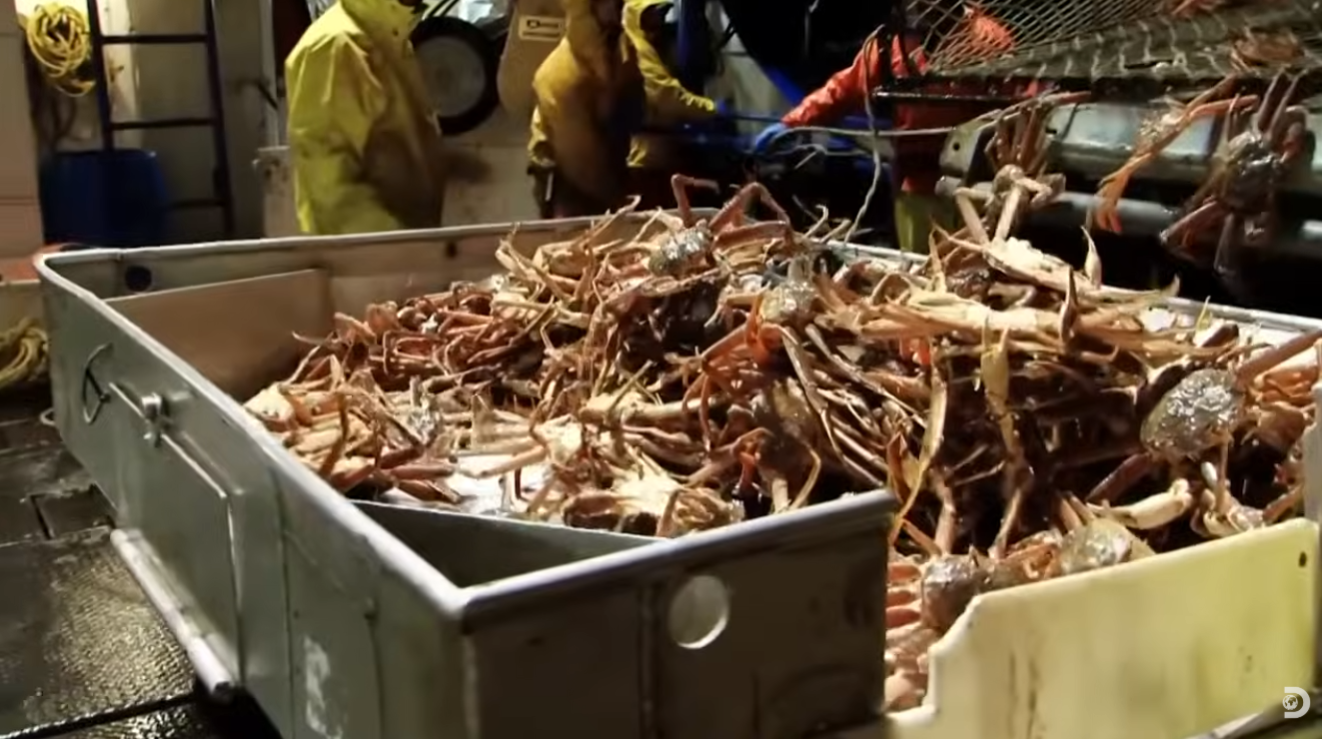
The moment came during a king crab run worth millions, with captains and crews racing for their share of the $5.7 million fishery. On the Northwestern, Sig Hansen had made a calculated decision to move south, despite suggestions that the better opportunity might lie farther north. It was a call based partly on instinct, but the gamble quickly appeared to pay off as the boat began hauling strong strings of crab.
The catches grew more encouraging with each pull. What began as steady numbers improved into an even more convincing result, reinforcing the sense that the Northwestern had found productive ground at exactly the right time. Sig made clear that the success mattered not only because of the crab count, but because it validated a decision the crew had chosen for themselves. In a fishery where every move can define a trip, that kind of confidence is valuable.
But the mood changed abruptly when the vessel suffered a major engine problem nearly 150 miles northeast of Dutch Harbor.
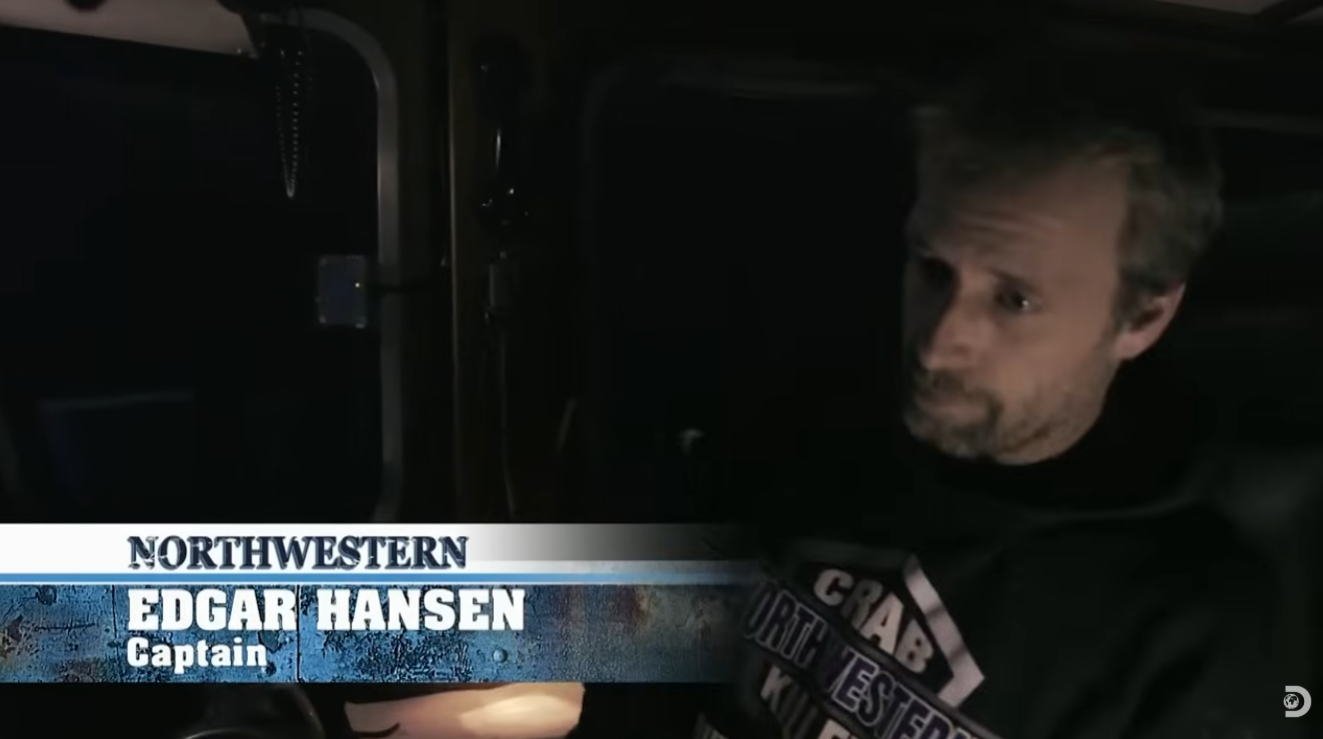
With Edgar Hansen settling back into the captain’s chair, Jake Anderson had dropped into a familiar supporting role below deck, taking on engineering and deck responsibilities. It was a demanding position, and one that carried more weight than usual. As the crew managed gear and prepared to keep the boat working, a serious mechanical alarm sounded: the starboard engine was overheating.
What followed was the kind of crisis that can turn dangerous very quickly in the Bering Sea.
The Northwestern’s main engine had overheated after losing coolant, leaving the vessel in a vulnerable position. The situation became even more serious when electrical power was also affected. For a fishing boat operating in harsh weather, that is not simply an inconvenience. Without steady electrical power, the boat risks losing pumps, hydraulics, lights and other systems essential to staying operational and safe.
Jake quickly identified the immediate cause of the problem. The starboard auxiliary had lost its water, forcing a switch to the port auxiliary just to keep basic power on board. But that backup solution was also unstable. The breaker on the port side would not hold, meaning the crew faced the prospect of losing electricity across the boat at exactly the moment they needed control most.
That raised the stakes considerably. A drifting vessel in worsening conditions, without dependable power, becomes exposed in a matter of minutes. The pressure on Jake was immediate and intense. He was no longer simply assisting. He was now the man expected to get the boat functioning again.
The diagnosis pointed to a broken seal and failed gasket in the aftercooler, which had dumped antifreeze and coolant across the deck. Jake worked through the failure while the rest of the crew looked on from above, fully aware of how much depended on a quick repair. The tension in the wheelhouse reflected that reality. Sig and the others knew that until the system was stabilized, the Northwestern remained at risk.
In the middle of that pressure, Jake delivered.
He managed to restore the system, getting the cooling problem under control and bringing the situation back from the edge. Once the damaged seal was dealt with and the water held, the crisis began to ease. The repair was not just technically important. It was a moment of proof. Jake had been handed a situation where delay could have had serious consequences, and he responded under real operational stress.
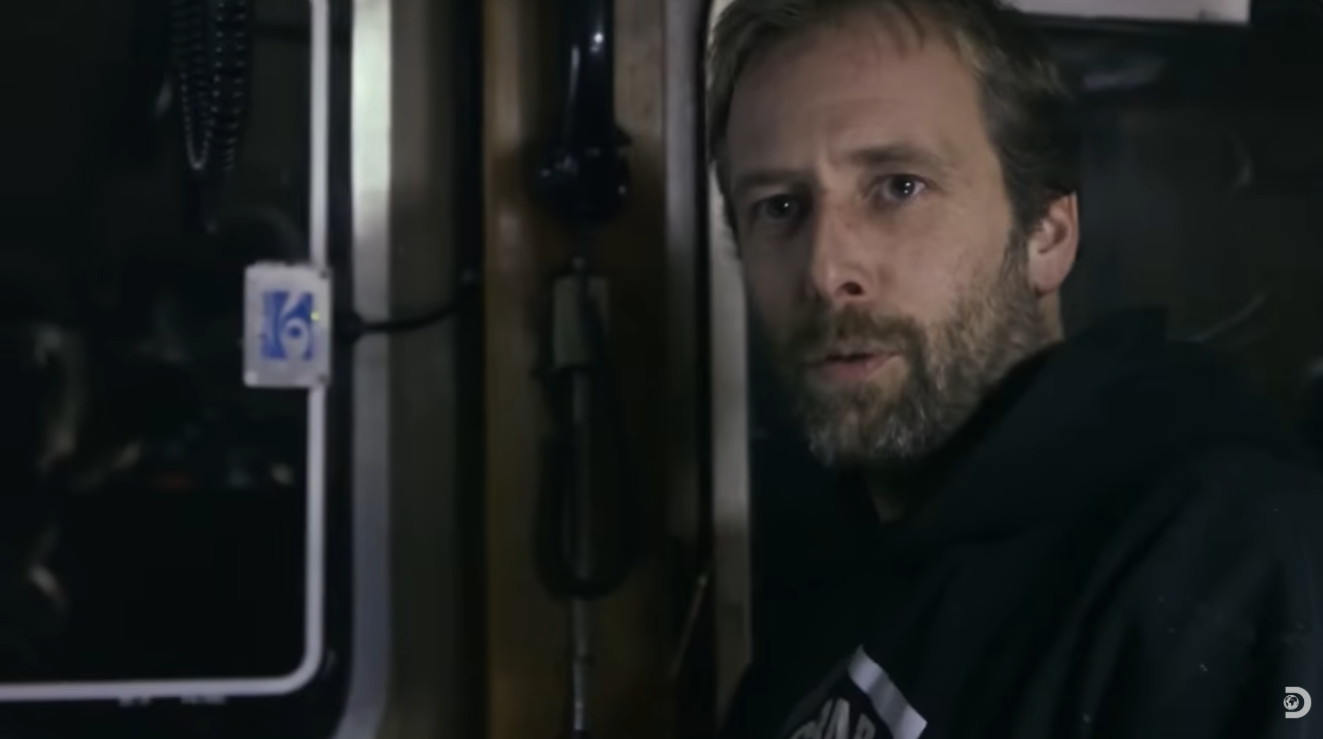
That was exactly the lesson Edgar had been talking about earlier. Before the breakdown, he had suggested that Jake needed this kind of pressure if he was going to grow into a bigger leadership role. It was one thing to talk about management, responsibility and command presence. It was another to live it when the engines were failing and the weather offered no margin for hesitation.
By the time the repair held and the boat was steady again, the mood on board had changed from alarm to relief. Jake was praised for the way he handled the problem, and even the banter that followed carried a sense of genuine respect. On a vessel like the Northwestern, approval is usually earned the hard way, through work, calm thinking and results.
This scene now stands as a reminder of why Jake Anderson’s journey resonated so strongly with Deadliest Catch viewers. Long before he became known as one of the franchise’s central figures, he was being tested in moments like this, not with speeches or titles, but with machinery breaking down in bad weather and a crew depending on him to respond.
In that sense, the 2013 incident was about more than one repair. It captured a turning point. The Northwestern had already found crab, but what the episode really revealed was something else: a young deckhand-engineer being pushed into a harder role and proving, in a very real crisis, that he could handle it.