Tony Beets fights back after disastrous start as Gold Rush season turns on three-plant comeback

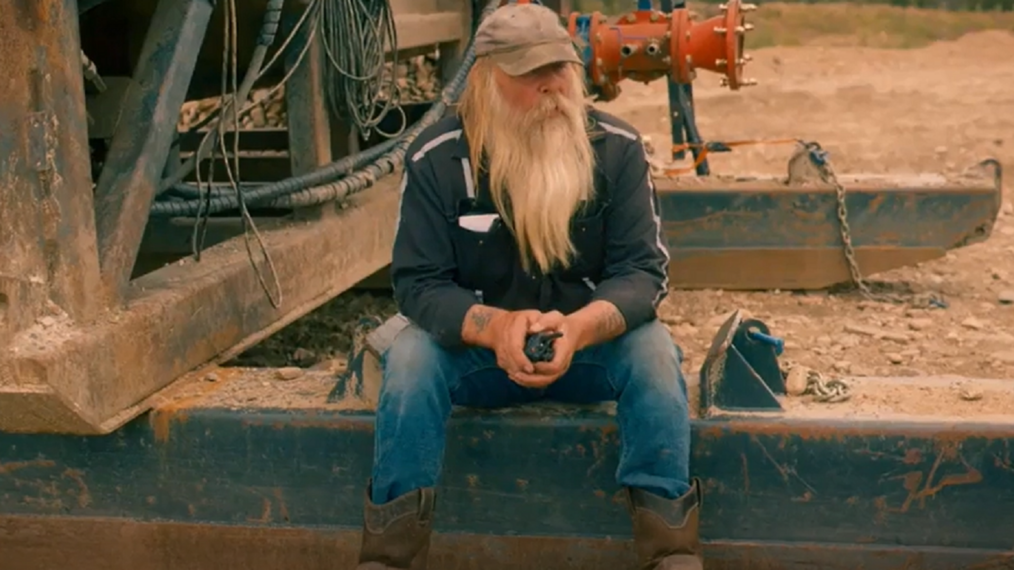
Tony Beets began the season staring at the kind of deficit that would trouble even the most seasoned Klondike operator. Before the ground had properly started to pay, he was already down by roughly half a million dollars, squeezed by delays on Indian River, a dredge that had absorbed more than $1m in investment, and a weekly cleanup so low that even Beets admitted he had never seen anything like it in three decades of mining.
The worst of it centred on his rebuilt 1938 dredge, a machine Beets has poured time, money and faith into despite its age and constant mechanical demands. The latest failure came through a bucket line that repeatedly jumped its track, preventing the dredge from running long enough to produce anything close to a viable return. According to the transcript, the problem was eventually traced to an error made when the crew reassembled the machine the previous autumn. Short on buckets, they improvised by adding three extra ones to close the gap. The chain, it turned out, was too long by exactly one link.

Removing that single bucket sounded simple. It was anything but. The repair became an awkward and physical test on an ageing machine where even a small miscalculation could have made matters worse. But once the crew forced the pin free, removed the extra bucket and reconnected the line, the dredge finally ran properly for a full day. The relief, however, did not immediately translate into results. When the weekly gold was weighed, the total came in at just 11.25 ounces, worth around $12,000. Beets said he had never recorded an 11-ounce cleanup in 30 years in the Klondike. Against a weekly break-even figure of 50 ounces, it left the operation badly exposed.
Yet the transcript presents that collapse not as the end of Beets’ season, but as the point from which it begins to turn. Rather than pull back, he doubled down. A 50-ton crane, shipped down the Yukon River at a reported cost of $30,000, finally reached Thistle Creek after three weeks of delay. Its arrival allowed work to resume on dismantling key parts of the dredge, including a huge rear gantry and an anchor spud that had been buried in permafrost for around 60 years. What had been stalled suddenly began moving again.
At the same time, Beets’ wider mining operation started to show the kind of scale that has long made him one of the most formidable figures on Gold Rush. At Paradise Hill, he pushed to get three plants running at once. Kevin Beets’ shaker deck, which had sat idle, was hauled across soft ground by a D10 dozer in a slow and difficult move that included a blown radiator hose and a second attempt with extra machinery pushing from behind. Once set in place and levelled correctly, the plant was brought online, completing the long-awaited three-plant setup on the mega cut.
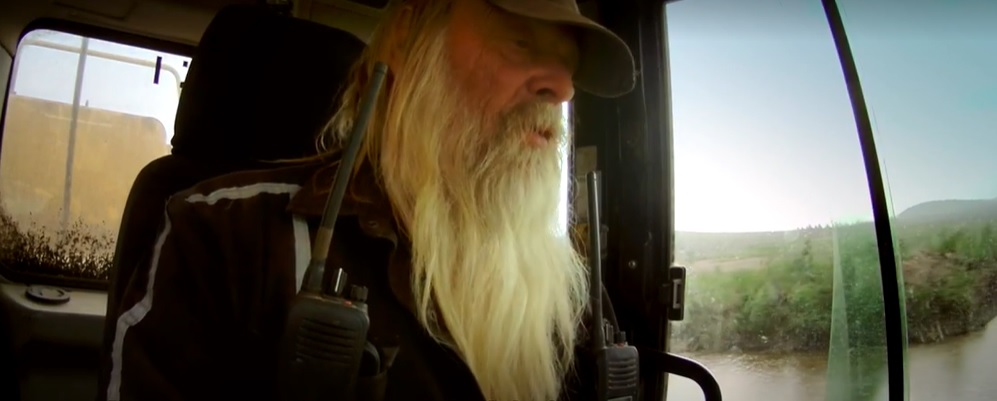
That shift changed the numbers. Mike Beets produced 53 ounces from two days of sluicing, a solid and consistent return. Monica Beets then delivered 62 ounces from her first full week at the Hunker Cut, beating her older brother for the first time that season. Kevin had no gold to put on the scale yet, but his plant was finally running pay dirt. Suddenly, the operation looked very different from the one that had produced the 11-ounce low point. The estimated value of the Paradise Hill cut, put at $5m in the transcript, no longer seemed distant or theoretical.
The story is also framed by a more personal strand. During a visit back to the Netherlands, Beets reflected on his family farm and the accident that changed his life as a teenager. When his father was badly injured by a falling bale of hay, the responsibility for the farm fell to Beets while he was still only 15. The transcript uses that memory to explain a trait viewers have seen for years: a refusal to dwell on setbacks and a habit of simply carrying on because the work still has to be done.

That same mindset appears again in smaller but telling moments, including a day when Beets turned his truck around on the way to Monica’s wedding because a rock had jammed her wash plant feeder. With one lost day said to cost $36,000, he cleared the blockage, got the plant running, then returned to the road and made it to the ceremony late. It was a brief episode, but one that neatly captured the balance of family pressure and relentless operational urgency that runs through his season.
There is still no certainty that the recovery will be enough. The half-million-dollar hole remains real, and the northern freeze will not wait for anyone. But by the end of the transcript, the shape of Beets’ season has clearly changed. What began with a failing dredge, a record-low cleanup and a growing financial problem has turned into a race powered by three active plants, a revived mega cut and a miner who still believes the only direction from rock bottom is up.