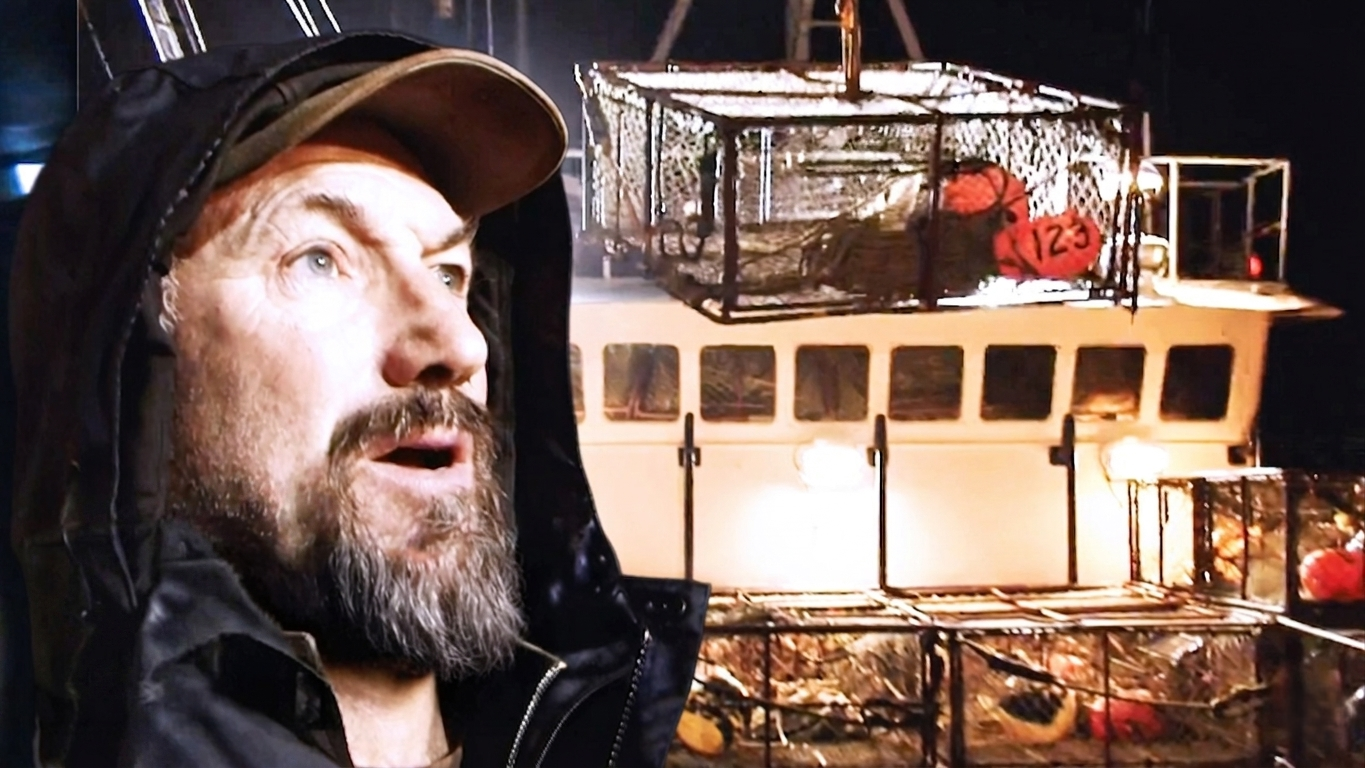
One of the more troubling stretches in Deadliest Catch history showed just how quickly personal strain could spill into life on deck, as Elliott Neese struggled to keep control of both his responsibilities at sea and the problems following him ashore.
At the time, the Saga crew was preparing to begin the bairdi season out of Dutch Harbor, with the usual pressure already building around the start of another demanding trip. But while the boat was getting ready to leave, it became clear that Neese was carrying far more than the normal stress of the job. Tension had been building around personal matters in his private life, including a dispute with his ex over unpaid child support, and the emotional toll was beginning to affect his focus.
The situation unfolded in full view of the crew. What should have been a routine period of preparation instead became clouded by distraction, arguments and visible frustration. Neese was shown trying to manage a painful conversation about his family while his crew continued working around him, an uncomfortable overlap between domestic problems and the relentless pace of commercial fishing.
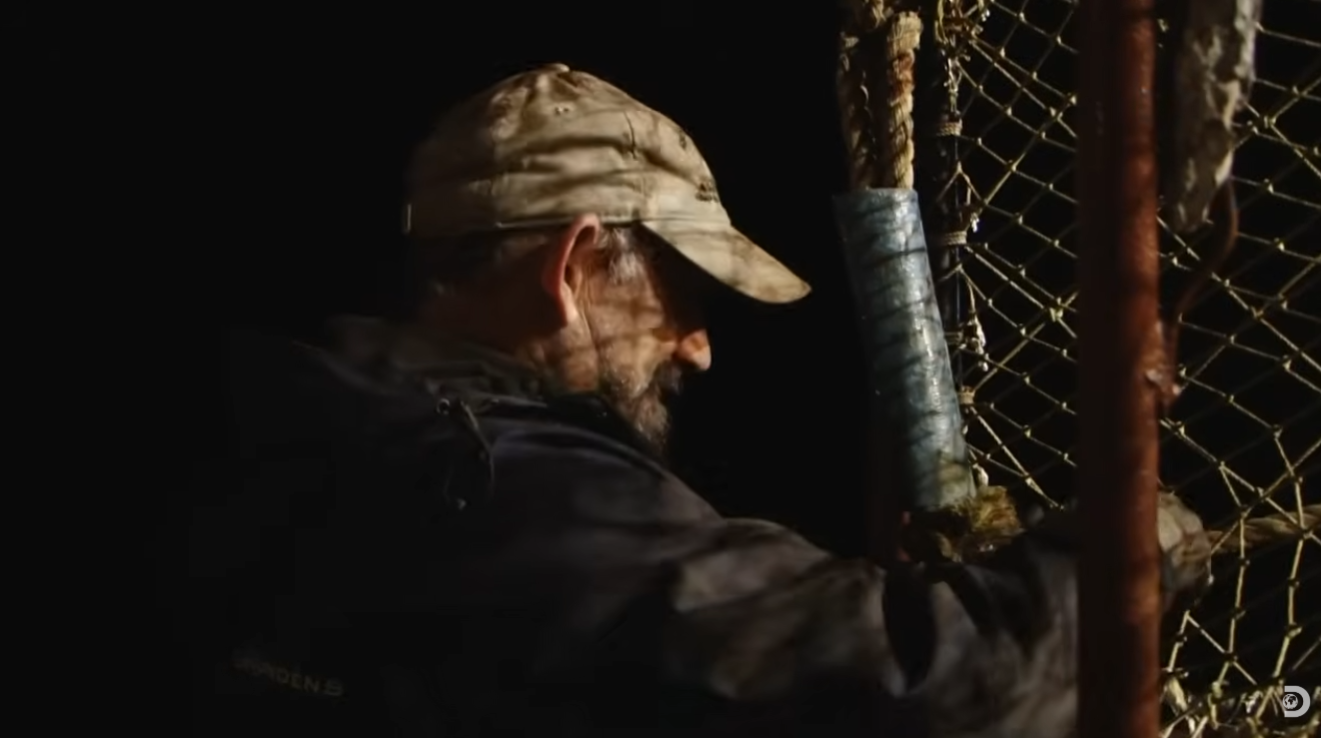
For the people around him, the concern was no longer just about mood or morale. It was about whether their skipper was in the right state to lead. Several members of the Saga crew appeared increasingly uneasy as Neese’s behaviour grew more erratic. There was a sense that the strain had gone beyond a temporary rough patch and had become something more serious, particularly as worries about alcohol use were openly raised.
That concern became one of the defining parts of the episode. The programme framed Neese not simply as a captain under pressure, but as someone clearly wrestling with deeper issues that were beginning to affect his judgement. His crew recognised the difference between a captain having a hard week and a captain who might be slipping into a more dangerous pattern. In the close quarters of a crab boat, there is very little room to hide that kind of decline.
Dutch Harbor itself only seemed to intensify the pressure. The crew had already spent days in town, and rather than finding clarity before the season began, the atmosphere around the Saga had become more strained. By the time the boat was ready to throw lines, frustration had spread through the team. While the crew wanted to get underway and focus on the job ahead, their captain appeared weighed down by drama onshore and exhaustion from nights that had clearly taken a toll.
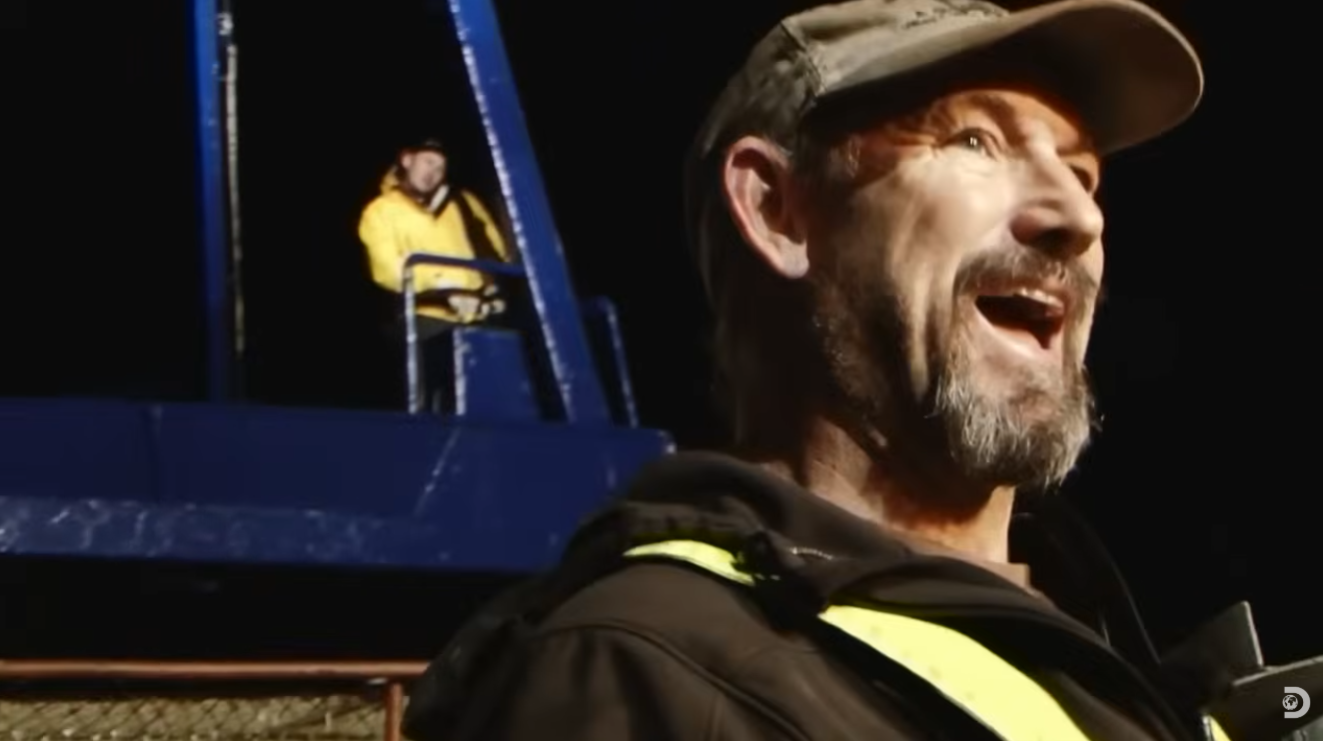
What made the situation especially difficult was that the people around Neese were not speaking about him with anger so much as disappointment and worry. There was recognition that he could be a strong leader when clear-headed, but also growing alarm about how much he changed when personal issues and drinking took over. For those working beside him, it was becoming harder to separate the man from the problems that were now shaping the mood of the entire boat.
The episode also showed a moment of painful self-awareness from Neese himself. As the pressure closed in, he seemed to accept that the cycle could not continue. Instead of brushing off the concerns around him, he acknowledged that he needed professional help. That admission gave the story a different tone. It was no longer just about a captain losing focus before the season. It became about a man facing the possibility that he could not fix things on his own.
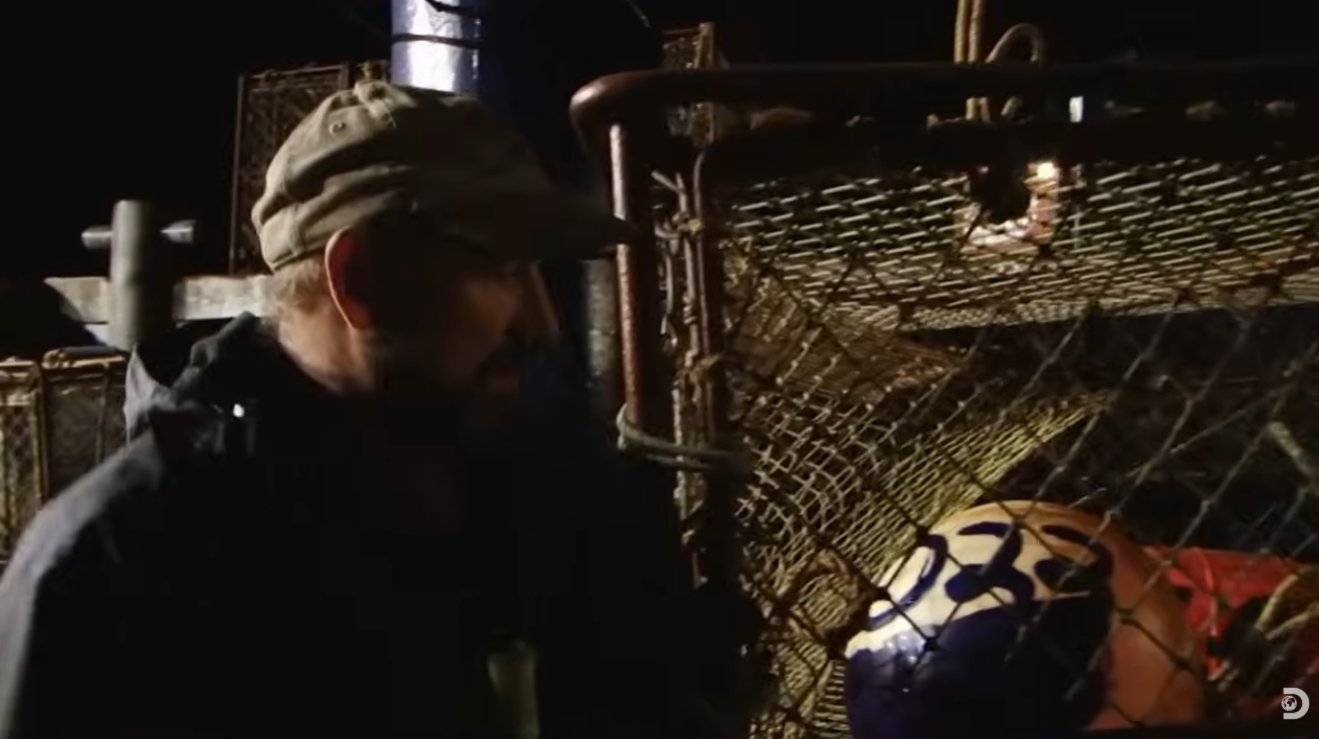
In a series built on endurance, risk and toughness, that kind of moment stood out. Deadliest Catch has often shown physical danger and the brutal conditions of the Bering Sea, but this storyline reminded viewers that the most serious struggles are not always the ones caused by weather or machinery. Sometimes the hardest battles are the ones crews bring aboard with them.
For Saga, the timing could hardly have been worse. The crew was already staring down the demands of another fishing season, and uncertainty around leadership only added to the pressure. Commercial crab fishing depends heavily on trust, rhythm and discipline, and any sense that a captain is distracted can unsettle the entire operation. That was the shadow hanging over the boat as the season prepared to begin.
Looking back, the episode now reads as a revealing portrait of a captain at a crossroads. It captured a moment when the strain in Elliott Neese’s life had become impossible to ignore, not only for him, but for everyone working around him. And in doing so, it offered one of the clearest examples in Deadliest Catch of how life off the water can become just as consequential as anything waiting out at sea.
