Tony Beets’ million-dollar wash plant pays off fast as Gold Rush veteran eyes even bigger gains

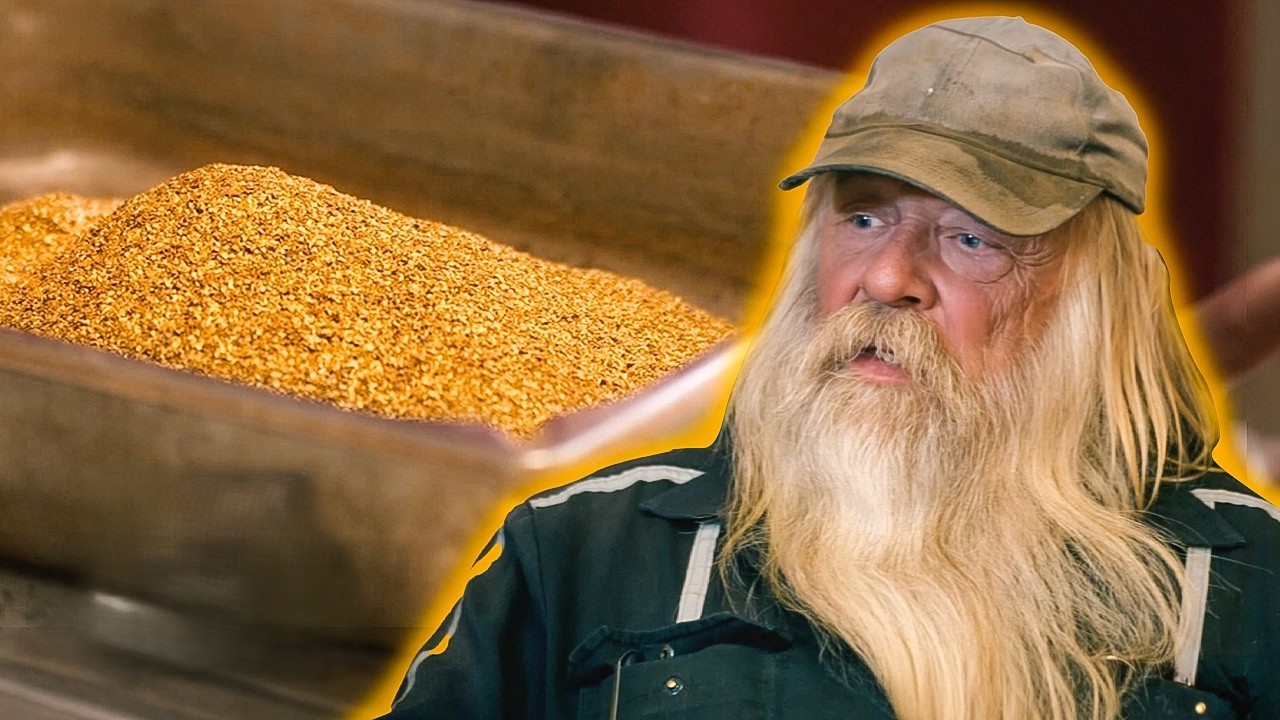
Tony Beets has never been shy about spending heavily when he believes the ground can pay him back, and this season that instinct appears to have delivered immediate results. In the latest development from his operation, the veteran miner rolled out a brand new wash plant as part of a push to increase production at Indian River, turning a major equipment investment into a weekly gold total worth more than $1.3 million.
The decision was a bold one, even by Beets’ standards. With gold prices remaining strong, he made clear that this was not the time to sit back. Instead, he chose to put roughly $1 million into a new wash plant, hoping it would not only improve reliability but also raise the output of an operation that was already producing at an impressive rate. The goal was straightforward: if one plant had been delivering around 300 ounces a week, then bringing a second into the mix could transform the scale of the season.
That second plant arrived with plenty of expectation attached to it. Beets and his crew were visibly eager to get it online, seeing the moment as a chance to unlock a new phase of production. He spoke openly about the opportunity in front of them, pointing to the financial upside of doubling capacity while the market remained favourable. For a miner who has spent years balancing risk, machinery and timing, the logic was simple. The faster the new setup was running, the sooner it could begin paying for itself.

Even so, the launch was not entirely smooth. A practical problem quickly emerged when the water pipe for the new wash plant was found to be blocked by the position of Sluice-A-Lot, the existing plant already in operation. Rather than slow the plan down, the crew improvised. Using Sluice-A-Lot’s built-in hydraulic jacks, they lifted the plant high enough to create a narrow gap, then fed the new pipe through the frame before reconnecting the system. It was a classic Gold Rush moment, where a large investment still depended on a rough, fast solution on the ground.
Once the plumbing was in place and water was flowing, the tone shifted immediately. Both plants were brought online side by side, giving Beets exactly the sight and sound he had been waiting for. The arrival of Fine-A-Lot next to Sluice-A-Lot created the kind of setup he clearly relishes: two wash plants rattling away at once, both turning dirt into revenue. At that point, the question was no longer whether the investment looked good, but whether the gold would justify the cost.
The answer came quickly.

Fine-A-Lot’s first two-day run in the new river cut produced 84.86 ounces, worth almost $300,000. That alone would have been enough to give the crew encouragement. But it was only part of the story. Sluice-A-Lot then delivered 124.82 ounces from three days in the same river cut, worth more than $435,000. On top of that, the older plant produced another 172.44 ounces from the last of the pay at the early bird cut, adding more than $600,000 to the tally.
Together, those cleanups pushed the Beets family’s weekly total to over $1.3 million.
That number matters for more than one reason. First, it instantly validated the investment in the new wash plant, with the weekly return already enough to cover its cost. Second, it hinted at what may still be ahead. These figures came as the team was only beginning to run the expanded setup, meaning the full upside of having two plants working together may not yet have been reached. Beets himself seemed to understand that, joking that perhaps they should buy another one, a remark that captured both his confidence and the momentum of the moment.

The wider significance is equally clear. At the time of the cleanup, Beets’ season total stood at 3,280 ounces, and that figure had been built with only one plant running at full strength for much of the period. Now, with Fine-A-Lot up and running alongside Sluice-A-Lot, the potential to accelerate that total is obvious. If both plants continue producing steadily, his targets for the rest of the season may need to be adjusted upward.
For Beets, that is the kind of problem he will gladly accept. The new plant was always presented as a major step designed to bring more consistency, more throughput and more profit. In its first meaningful test, it appears to have delivered on all three fronts. What looked like a costly gamble is now shaping up as one of the smartest moves of his season.
In a business where equipment failures and poor ground can turn expensive decisions into painful lessons, this one has landed differently. The wash plant arrived, the crew adapted, the gold came in, and the money followed. For Tony Beets, the sound of two plants running side by side is not just noise. It is the sound of a season gathering real force.