
Being a crab fisherman on Deadliest Catch is one of the toughest and most dangerous jobs in television, but for some of the men who survive it, the financial reward can be substantial. Over the years, several stars from the Discovery series have opened up about what they actually earn out on the water, and while the numbers can sound impressive, they also reveal just how unpredictable the business really is.
Unlike a regular job, crab fishermen are not usually working for a fixed salary. Their income depends largely on what they catch, what they deliver, and how strong the season turns out to be. That means a great year can bring in serious money, while a poor season can leave even experienced crews with far less than expected. Kenny Ripka explained this clearly in a 2016 interview with People, saying that fishermen do not get paid a normal wage or annual salary. Instead, everything comes down to the size and value of the catch.
Ripka said that in strong years, he had made as much as $150,000 to $170,000 as a captain. He also noted that deckhands can do well for themselves over a short season, often earning anywhere from $15,000 to $50,000 for just a couple of months of work. That may sound like a huge return for a relatively short period, but it reflects the punishing nature of the job, where crews work in brutal weather, on little sleep, and under constant physical and financial pressure. Gary Ripka added more detail, revealing that his own deckhands earned about $30,000 in 2016 for just five or six weeks of fishing.
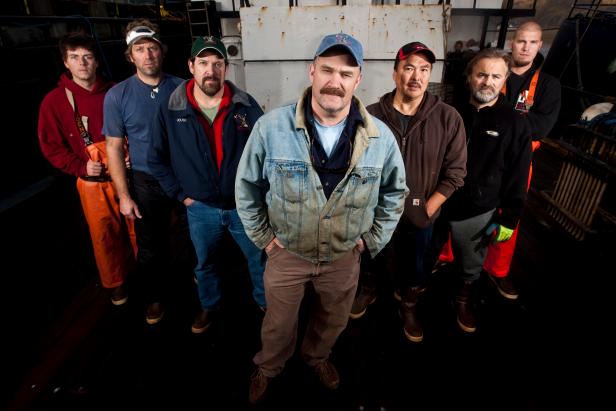
Some captains, however, have spoken about much bigger totals when conditions are especially favorable. Jake Anderson, for example, told Fox Business in 2018 that during a good season he once grossed $2.5 million in just 11 days. Josh Harris also suggested that captains can make around $2 million in as little as two days when the catch is strong and prices are high. Those kinds of earnings are clearly not the norm, but they help explain why so many fishermen remain drawn to the industry despite its enormous risks. A massive haul in a short window can completely change the financial picture for a boat and its crew.
Still, big numbers like that can be misleading without context. Gross earnings for a captain do not necessarily mean personal take-home pay. Boats have major operating expenses, including fuel, maintenance, bait, permits, equipment, repairs, and crew shares. In other words, a captain may bring in millions through the boat’s catch, but a large portion of that money is quickly absorbed by the cost of running the operation. That is part of what makes crab fishing such a high-pressure business. Success can look enormous from the outside, but the margin between a strong season and a disappointing one is often much thinner than viewers might assume.
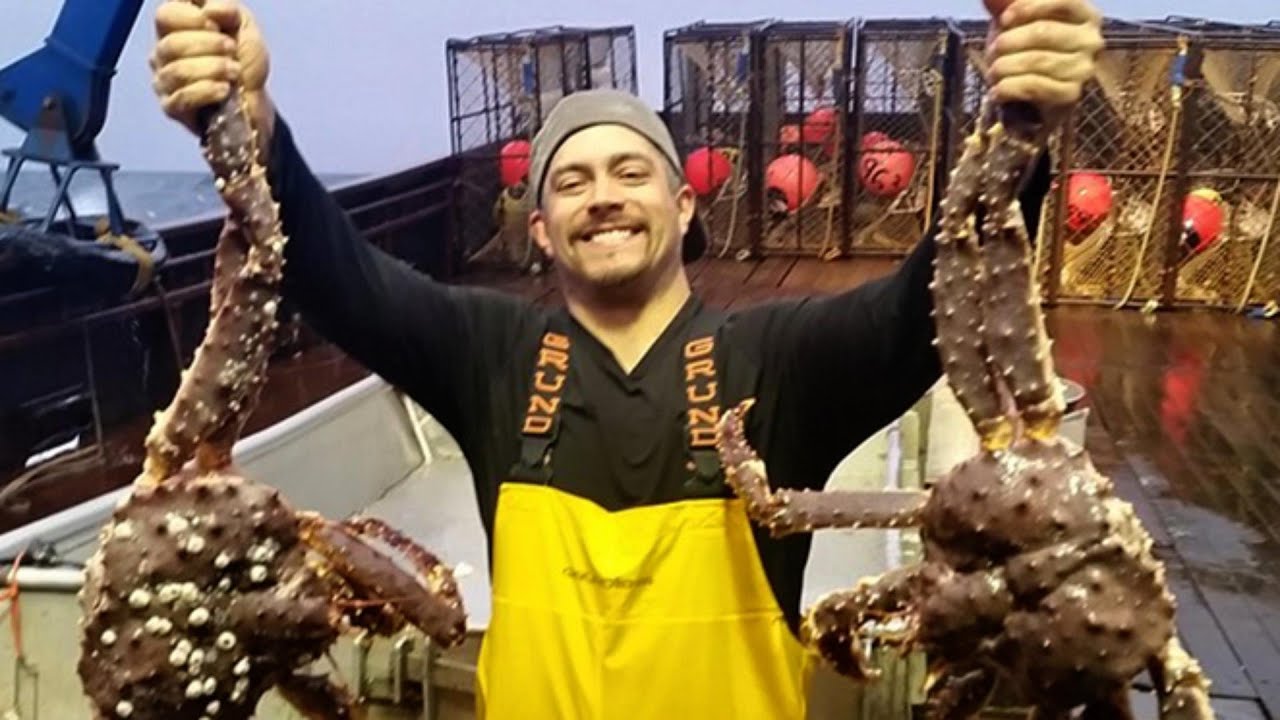
On top of their fishing income, the stars of Deadliest Catch also receive money for appearing on television. According to Monsters & Critics, captains on the show reportedly earn between $25,000 and $50,000 per episode. That television income adds another layer to the financial picture and helps explain why some of the best-known captains on the series have been able to build a more stable public profile beyond the crab season itself. Even so, that paycheck comes with its own demands, as the fishermen are not just working one of the hardest jobs in Alaska, but also doing it while being followed by cameras.
Of course, the money comes at a serious price. Crab fishing in the Bering Sea has long been known as one of the most dangerous occupations in the world. Deadliest Catch has built its entire identity around showing just how harsh and unforgiving that life can be. From violent storms and icy decks to equipment failures and medical emergencies, the job places enormous strain on the body and mind. Many cast members have dealt with injuries, health scares, and personal struggles while trying to keep working in one of the toughest industries on earth.
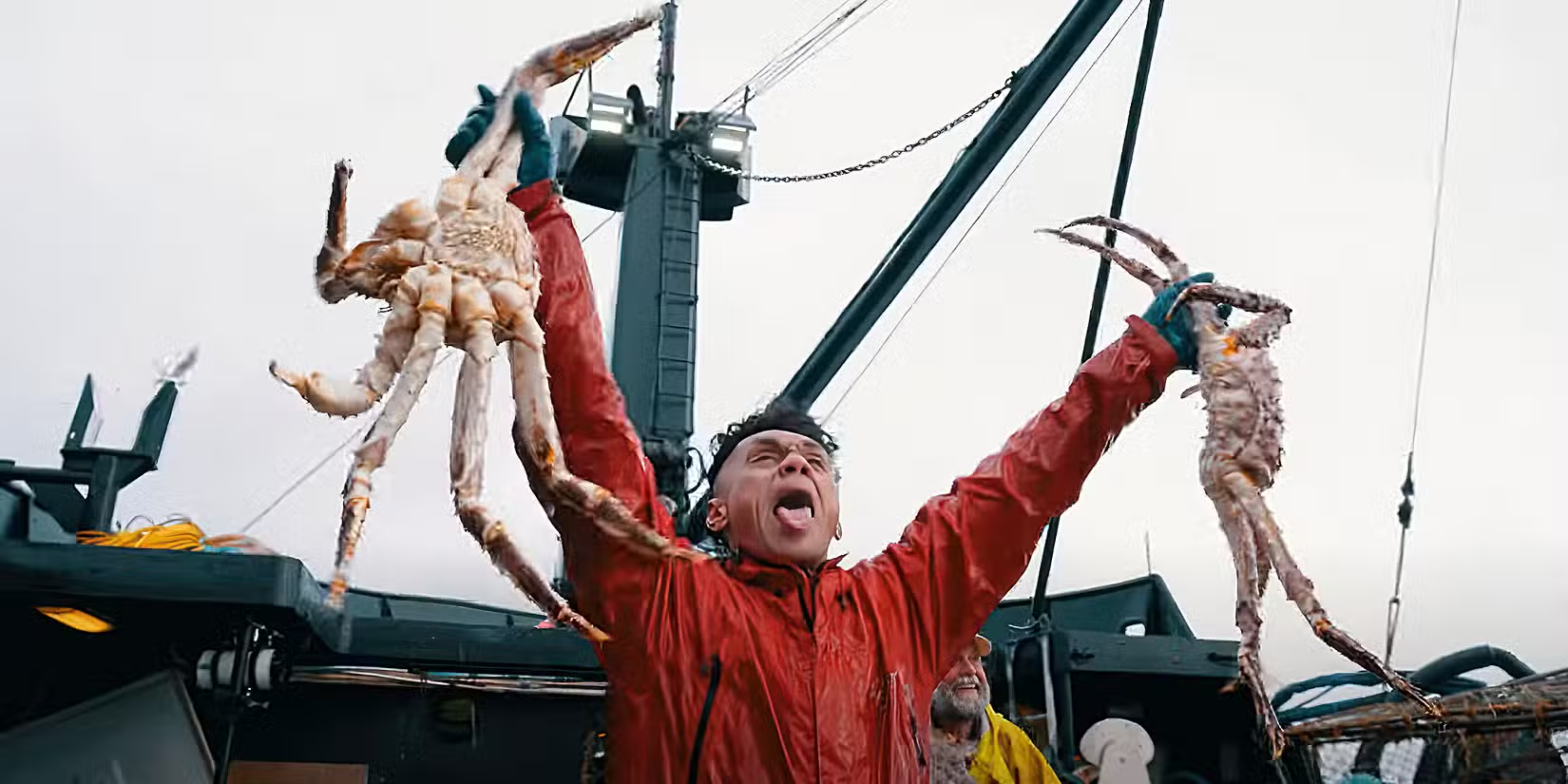
There is also the simple fact that the work is never guaranteed. Even the most experienced captains can go into a season not knowing whether they will be allowed to fish, whether crab numbers will hold up, or whether regulations will shut everything down. Sig Hansen spoke openly about that uncertainty in an interview with Channel Guide, pointing out that king crab seasons have been shut down for three or even four years in a row at times. He said that when your income depends entirely on getting the boat out there, there is effectively no retirement plan and no promise of stability from one year to the next.
That uncertainty is one of the most important parts of the Deadliest Catch earnings story. Yes, some captains can make hundreds of thousands in a good year. Yes, deckhands can earn more in a few weeks than many people make in months. And yes, television exposure can add another valuable stream of income for the biggest names on the show. But all of that exists inside a business where conditions change fast, seasons can disappear, and one injury, one shutdown, or one bad trip can rewrite the numbers completely.
So while the paychecks on Deadliest Catch can be much higher than many fans expect, they are tied to a job that demands extreme sacrifice. The money can be real, and in the best cases, it can be enormous. But so are the dangers, the uncertainty, and the cost of trying to make a living on one of the roughest seas in the world.
