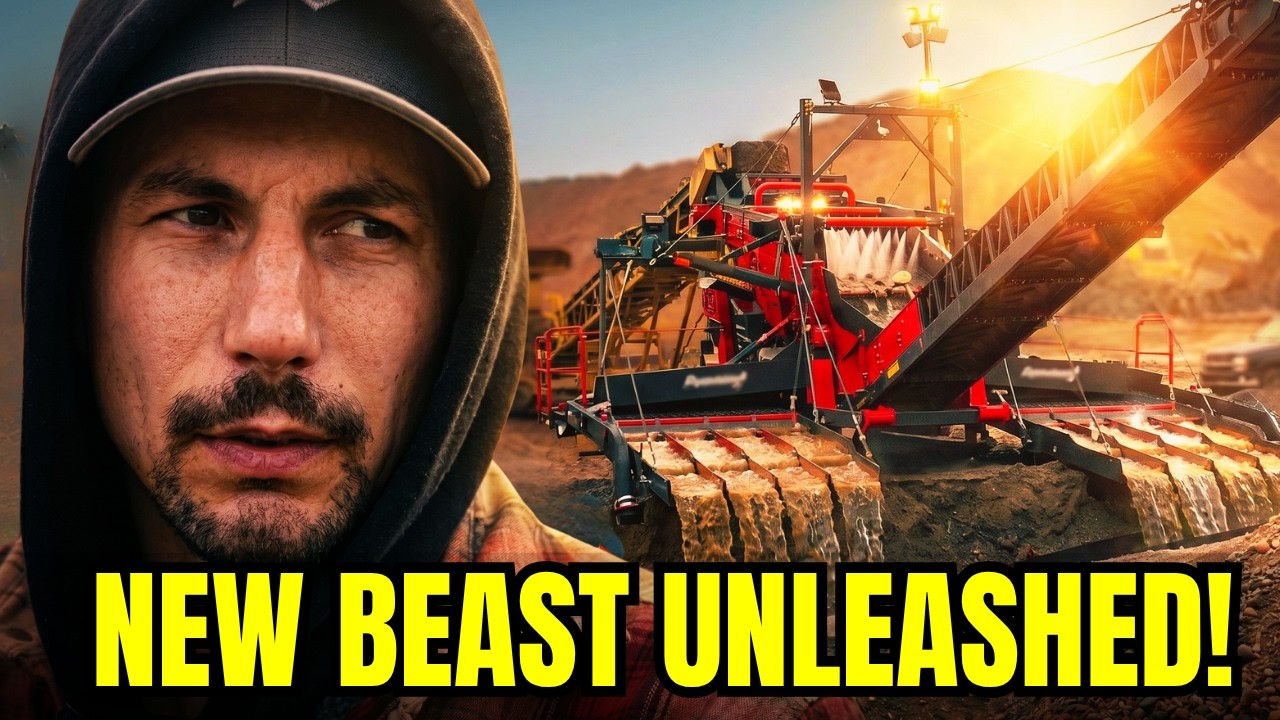
Parker Schnabel has never built his reputation on caution. Across his years in the Yukon, the Gold Rush star has repeatedly shown that when pressure rises, he is more likely to spend bigger, move faster and push harder than pull back. That mindset was on full display again when he unveiled a brand-new $1 million wash plant at Dominion Creek, hoping it could revive production at one of the most important moments of the season.
The machine, named the Golden Goose, arrived as Parker’s operation faced a clear challenge. The Golden Mile, which had been the richest and most productive cut on the property, had already been mined out. For weeks, that ground had driven strong weekly totals and acted as the heart of the Dominion Creek operation. But once it was exhausted, production inevitably began to slow, leaving Parker with a narrowing window to protect his season goals before the Yukon weather closed in.
Rather than cut costs or accept a quieter finish, Parker chose the opposite route. He doubled down with one of the boldest investments of the season, bringing in what was described as the fifth wash plant in his fleet but one expected to outperform the others. The Golden Goose was designed to process more pay dirt, improve gold recovery and deliver stronger uptime under heavy use, all of which become especially valuable when every remaining hour of the mining season counts.
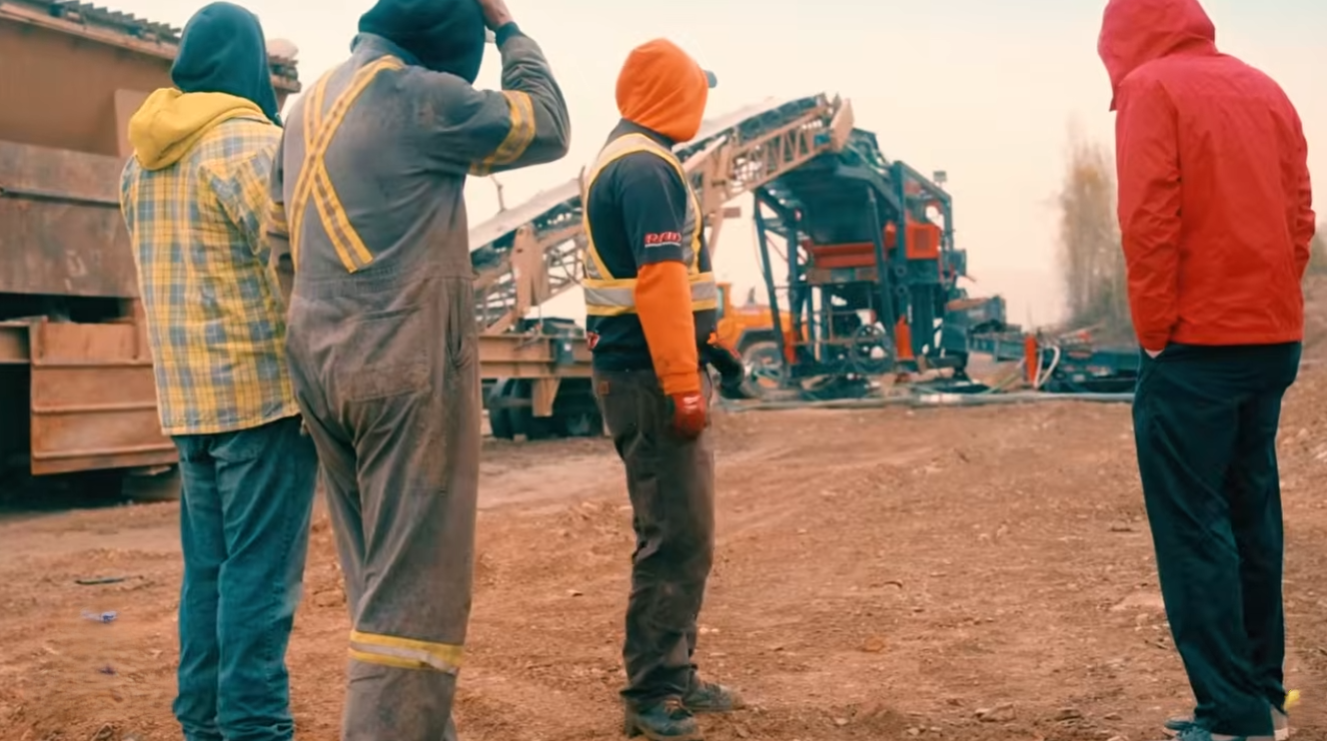
The arrival of the plant immediately raised the stakes for the entire crew. At Dominion Creek, preparations had already been under way for a major late-season push. Workers had spent weeks hauling the final pay dirt from the Golden Mile and building two large stockpiles about 4,000 feet apart. One was destined for Big Red, Parker’s long-trusted wash plant, while the second was reserved for the Golden Goose. With the new machine about to come online, every available truck was pushed into non-stop hauling duty to ensure that the plant would have enough material waiting from the moment it started running.
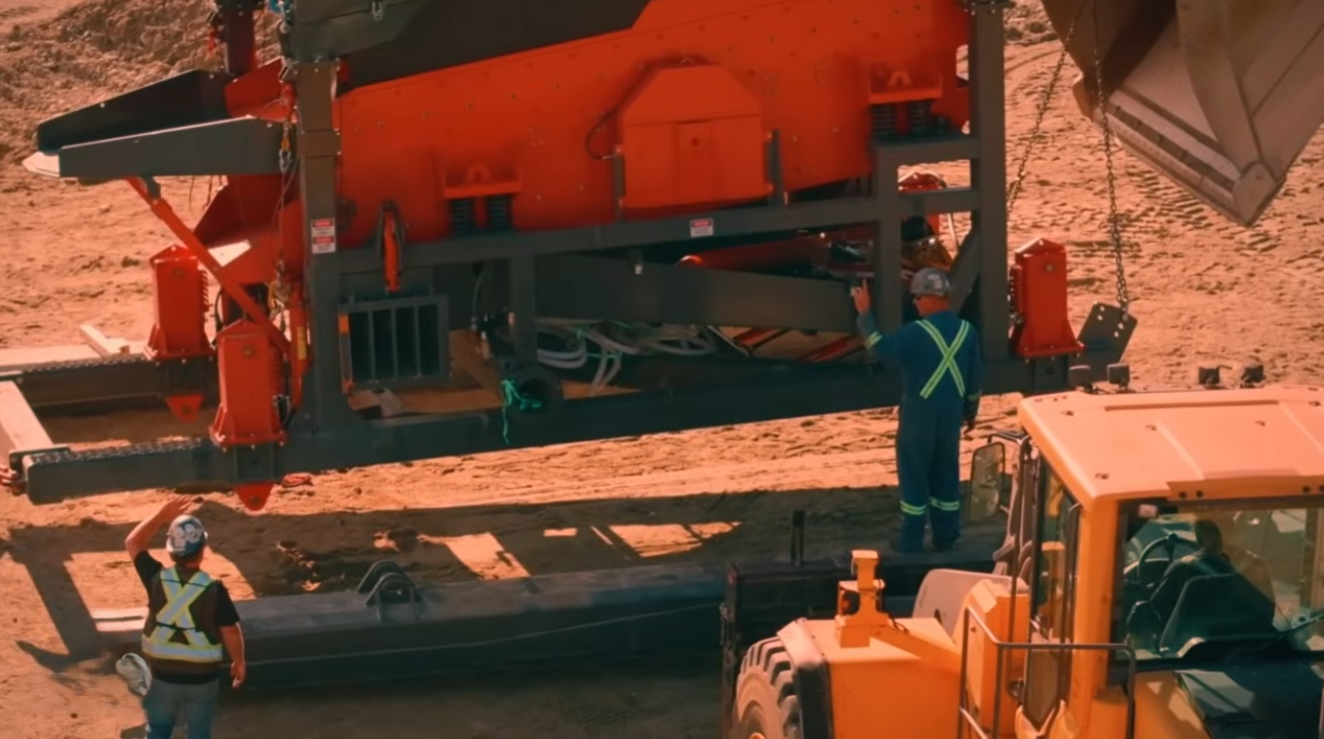
At the same time, Parker’s mechanics faced a technical challenge of their own. Assembling a wash plant of that size is never simple, and the Golden Goose demanded careful coordination under intense pressure. The most difficult stage came when the crew had to lift the 45-ton main structure into place. Suspended between a crane and a loader, the massive frame had to be aligned with near-perfect accuracy so the locking pins could be secured. With the crane working close to its limit and little room for error, tension spread across the site. Eventually, after a series of careful adjustments, the alignment was achieved and a major hurdle was cleared.
Yet getting the steel in place was only half the battle. Before the Golden Goose could process a single yard of pay dirt, Parker’s team had to solve one of the most important problems in mining: water. Without it, even the most advanced wash plant is useless. The crew dug a trench linking an old pond to a new intake pond, then worked to pump water thousands of feet upstream and around 160 feet uphill to the plant pad. That elevation created real doubt over whether the system would deliver the pressure needed to keep the plant running. When the test finally came, the line initially sputtered and hesitated before the flow strengthened and water began moving steadily to the plant. It was a crucial breakthrough, because without that success the Golden Goose would have remained an expensive piece of idle equipment.
Once the water line was working, Parker wasted little time. He gave the order to start feeding pay dirt into the hopper, making clear that the plant had not been bought to sit back and ease into production. But almost immediately, a fresh setback emerged. A frozen chunk of material jammed the belt system, forcing the crew to shut the plant down and investigate. It was the sort of frustrating interruption that can quickly spiral in northern mining, where falling temperatures and frozen ground constantly threaten operations. In this case, however, the team responded quickly, broke apart the blockage and got the Golden Goose running again before the delay became serious.
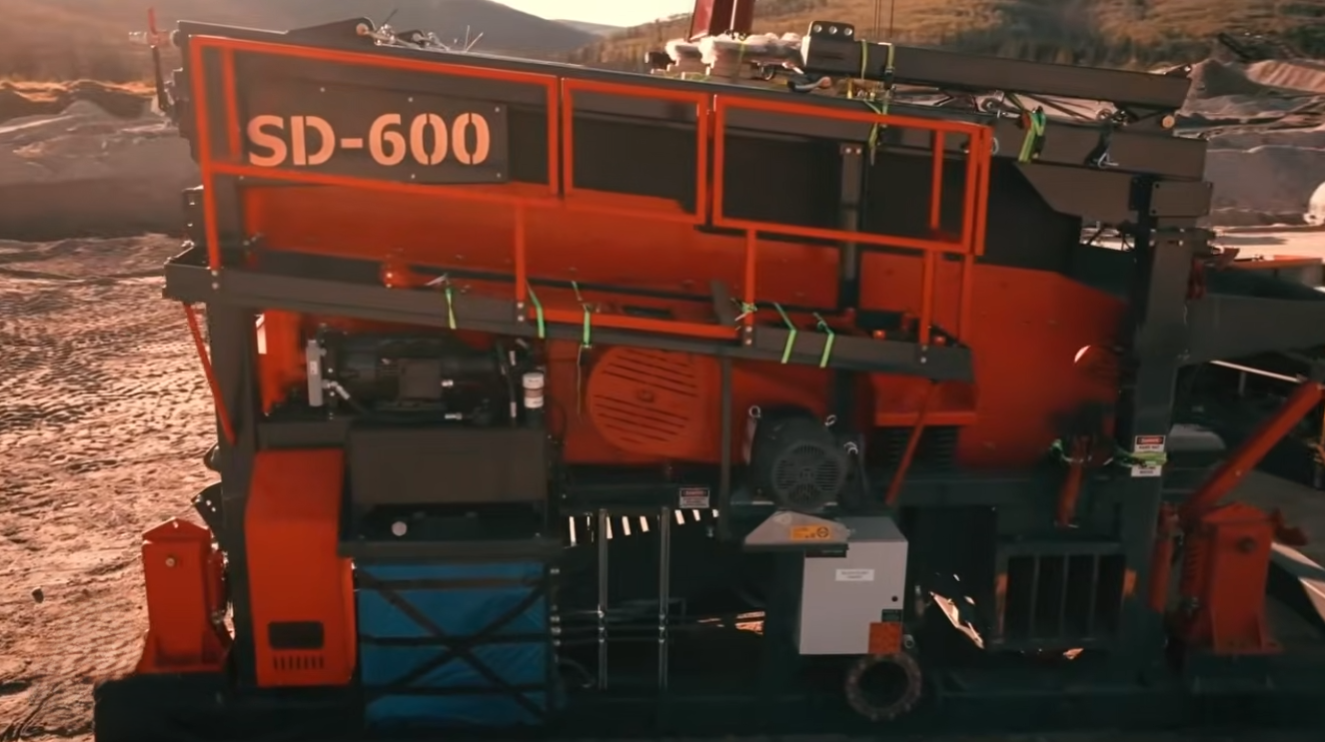
Now, with several wash plants operating and large stockpiles still waiting to be processed, Parker’s late-season campaign has entered a decisive phase. Reports in the text suggest there may be enough material left to keep the plants running for nearly 1,000 hours, which would give Parker a genuine chance of producing a powerful finish if the machinery holds up and the crews maintain pace. But such a push will depend on constant discipline, reliable fuel supply, maintenance, water management and smooth coordination across the site. A single breakdown could still reduce output quickly.
For Parker, though, the Golden Goose is about more than one machine. It reflects the aggressive style that has defined his success for years. He has built a career on refusing to settle for average outcomes, and this latest move shows that even with time running short, he is still prepared to invest heavily in pursuit of bigger results. If the plant performs the way he expects, it may yet become the symbol of a late-season recovery and perhaps even a crucial step in the chase for that towering 10,000-ounce goal.
