
Parker Schnabel’s season is entering a far more dangerous phase than the numbers alone might suggest. What began as an ambitious push toward a $25 million year has become a grinding battle against mechanical setbacks, frozen ground and a costly Alaska prospect that has failed to justify further investment. With the season total at 3,867.8 ounces and even the revised 8,000-ounce target looking difficult, the pressure is no longer theoretical. It is now showing up in every repair, every delay and every ounce that fails to reach the scale.
At the heart of the problem is a simple truth: Parker’s operation needs multiple wash plants running well at the same time, and right now that is not happening consistently. Early in the week, Sulfur Creek’s wash plant Bob suffered a major interruption when a broken drive shaft on the pre-wash conveyor shut the entire system down. On pre-stripped ground, where the overburden is already removed and the pay layer is ready to run, that kind of failure is especially damaging. Bob is there to do one job: process pay dirt and put gold on the board. When it stops, the whole logic of the site collapses with it.

The repair became a test of improvisation under pressure. Bill and Justin, the father-and-son mechanics Parker relies on, arrived with what was supposed to be the replacement shaft, only to discover it was the wrong size. It was too long, and the keyway did not align properly with the conveyor system. With no acceptable option to return empty-handed, they were forced into an on-site solution: cut the shaft to length, flip it, grind a new keyway profile by hand, and fit it into the machine without the benefit of a machine shop. It was painstaking work carried out in the field, but the gamble paid off. Bob restarted, the chain tracked cleanly, and Sulfur Creek was able to finish the week running again.
Even so, the damage from the lost time was visible in the cleanup. Parker had targeted 300 ounces from Bob’s first full week at Sulfur Creek. The actual figure came in at 299.0 ounces, just one ounce short. In another season, that might look like a near miss with little consequence. In this season, it became a symbol of how narrow Parker’s margin has become. Every breakdown, every wrong part and every lost washing hour is now showing up directly in the numbers.
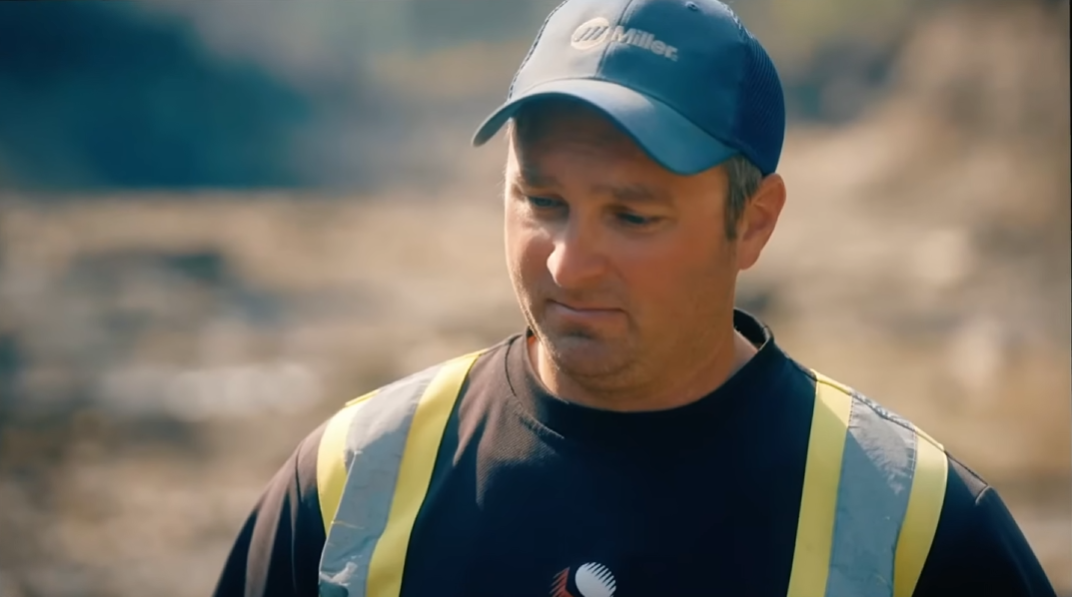
Elsewhere, Big Red and Roxanne delivered mixed encouragement. Big Red produced 98.5 ounces from top gravels in the Bridge Cut, while Roxanne returned 168.2 ounces from the second half of the Long Cut. Together with Bob, the three operations produced 565.7 ounces for the week. That is a respectable total in isolation, but it does not solve Parker’s larger problem. The original 10,000-ounce season is effectively gone, and even the revised 8,000-ounce goal still requires more than 4,100 additional ounces from operations that are either underperforming, working uncertain ground or sitting idle.
The biggest glimmer of hope came from an unexpected place. After seven consecutive weeks mining the top pay layer in the Bridge Cut, Parker made a bold decision to test a stockpile of red gravel that, by his own account, may never have been processed before in a gold field worked since the Klondike rush. There was no drilling data to confirm what it might contain. It was a judgment call based on instinct and Parker’s read of the ground. After delays caused by a feeder tail drum replacement, Big Red was moved into position and began its first run on the material. Four days later, the result came back at 136.5 ounces, worth more than $341,000. That is not enough on its own to rescue the season, but it gives Parker something he has been short on for much of the year: a fresh source of real production.
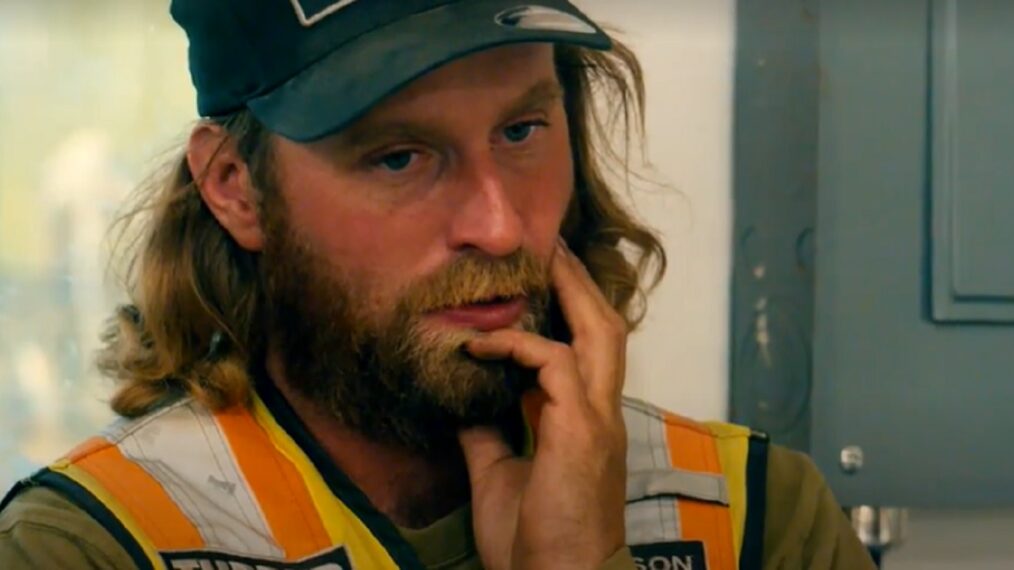
If the red gravel offered hope, the Long Cut delivered both promise and frustration in the same breath. Roxanne produced 285.1 ounces there, the best single haul from that cut all season, worth more than $712,000. For one week, the Long Cut looked like the answer Parker had been waiting for. Then the weather turned against him. With ten more days of cold forecast and no meaningful thaw ahead, the permafrost beneath the surface refused to release enough pay dirt to keep mining profitable. Parker and Mitch were left with a brutal choice: keep burning money fighting the frost with dozers and damaged equipment, or shut the cut down and wait for the sun to do the work naturally. Parker chose to stop. Roxanne went quiet, and with it went around $1 million in planned seasonal revenue that now will not arrive on schedule.
That decision captures the season perfectly. Parker is not just chasing ounces. He is constantly deciding which losses he can afford to absorb and which risks still make sense. He admitted he did not know for certain whether shutting the Long Cut was the right move, but he knew that what they were doing before was wrong. In other words, this is no longer a season about maximizing upside. It has become a season of controlling damage while trying to preserve a path to something respectable.

The situation in Alaska only made matters worse. Parker and Liam Ferguson had committed roughly $200,000 to a drilling program at Smallwood Creek, a property that appeared to offer long-term potential and might have justified a $3 million purchase if the grades were strong enough. But the results never aligned. While a few holes showed gold, there was no continuity and no reliable pay streak. The ground needed to return at least 200 milligrams per viable hole to make sense at that depth and cost. Instead, the final promising hole came back at just 32 milligrams. For Parker, that ended the conversation. He wrote off the drilling spend and walked away, leaving the search for viable Alaska ground back at square one.
That failure matters beyond the immediate loss. It removes what had seemed like one possible future option for the company, at exactly the moment Parker can least afford to feel boxed in. Dominion and Scribner will not last forever, and the need for new, profitable ground remains urgent. Yet after spending heavily to test Smallwood Creek, Parker is left with nothing but another expensive no.

So where does the season stand now? Sulfur Creek is intact and capable of hitting close to its target if the machinery holds. Big Red has opened a new lane in the red gravel, though nobody yet knows whether that grade will hold as the run deepens. Roxanne, the operation’s strongest recent performer, is shut down for at least three weeks while the Long Cut thaws. And the Alaska expansion plan has delivered no breakthrough. Parker now needs 4,132 more ounces to reach 8,000, and that number depends on too many moving parts he cannot fully control.
This is why the mood around the operation feels so different. Parker is not a mine boss who casually describes his own season as scary. Yet that is the language now surrounding the year. The 10,000-ounce dream has slipped away. The revised goal is still possible, but only if Sulfur Creek keeps running, the red gravel holds up, and the Long Cut thaws in time to contribute meaningfully before the window closes. In a season defined by frozen ground, field repairs and expensive setbacks, even that may be asking for a great deal.