Rick Ness faces fresh pressure after weak start at Lightning Creek before major licence breakthrough changes season outlook

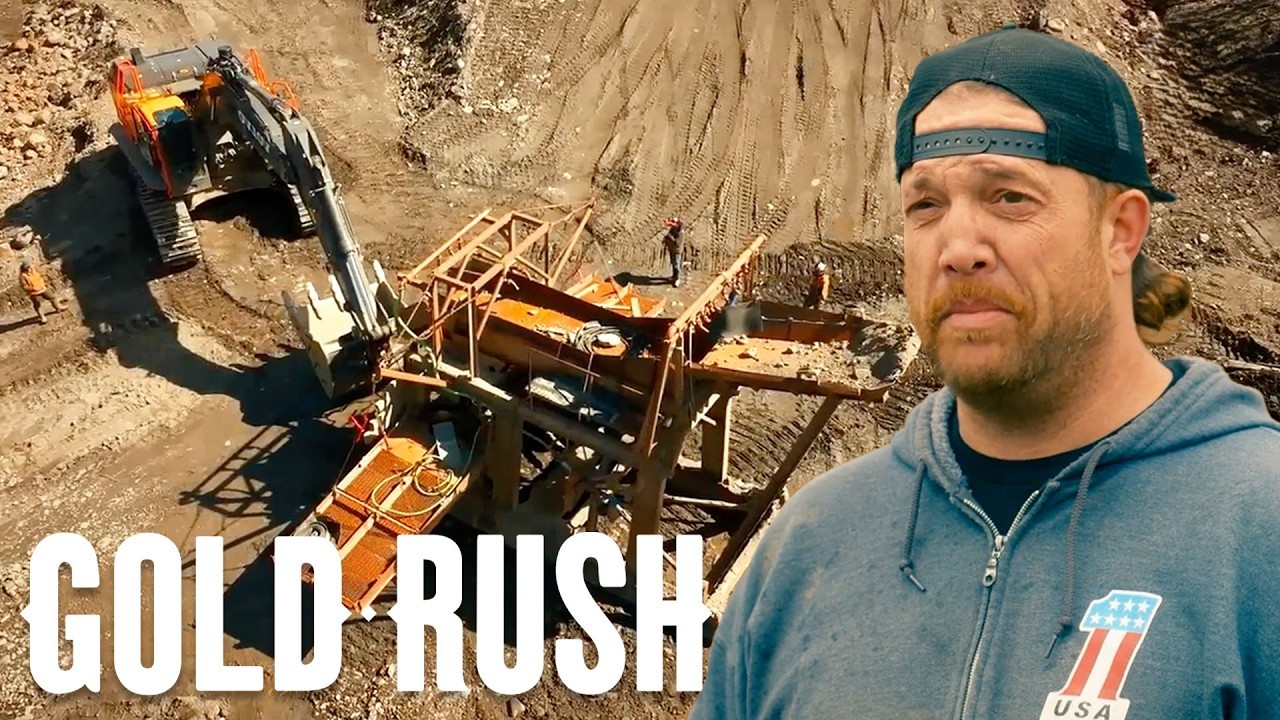
Rick Ness’s season took another dramatic turn after a disappointing first result at Lightning Creek raised serious doubts over his costly new venture, only for a late breakthrough on Lower Duncan to give his crew renewed hope that the year can still be rescued.
The latest developments capture exactly why Rick’s operation has remained one of the most unpredictable storylines in Gold Rush. In a season already shaped by pressure, fast decisions and mounting financial strain, the miner now finds himself pulled between two competing realities: a struggling new claim that is not yet paying off, and the sudden return of a former site that once produced some of his best gold.
At the heart of the problem is Lightning Creek, a claim Rick bought for $700,000 after his water licence on Duncan Creek expired. The decision was a major leap, made with limited testing and no clear guarantee of what was sitting underground. Rick openly admits it was one of the boldest calls he has made, based largely on a very small sample rather than the kind of deeper evidence most mine bosses would want before committing that level of money.
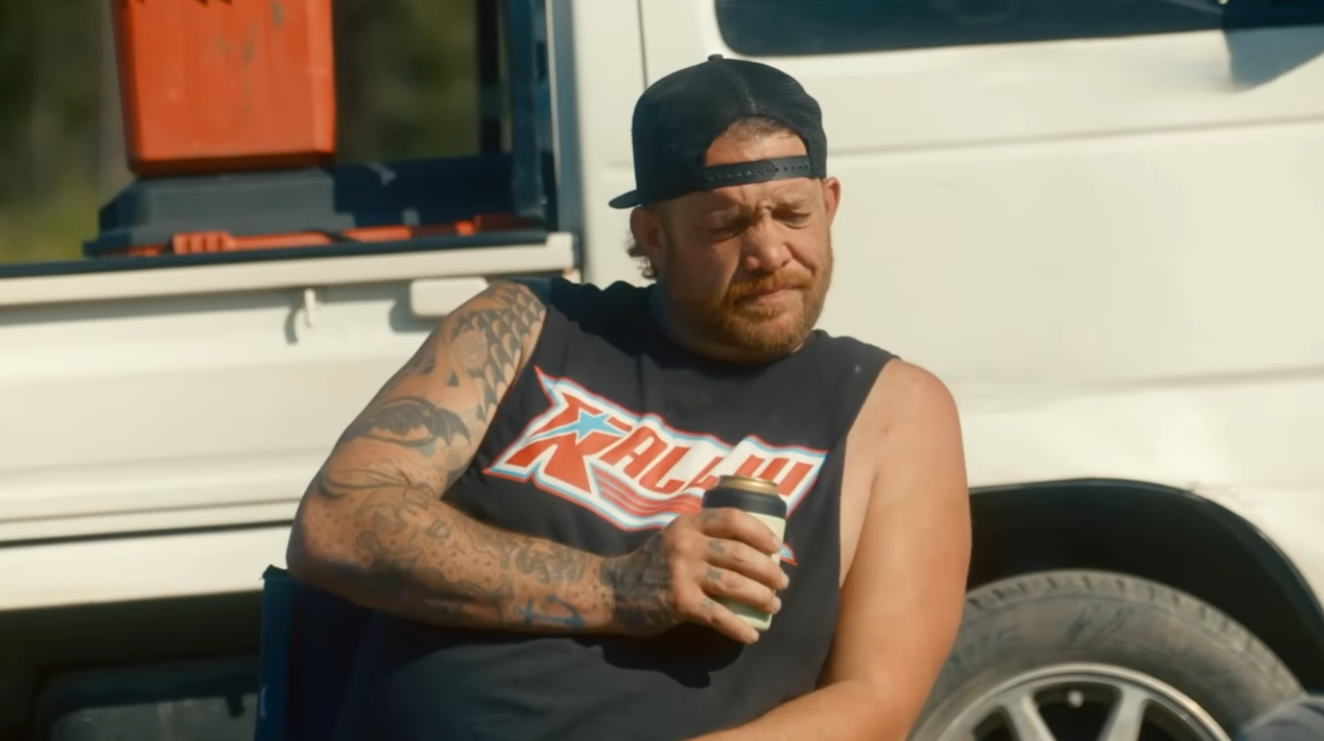
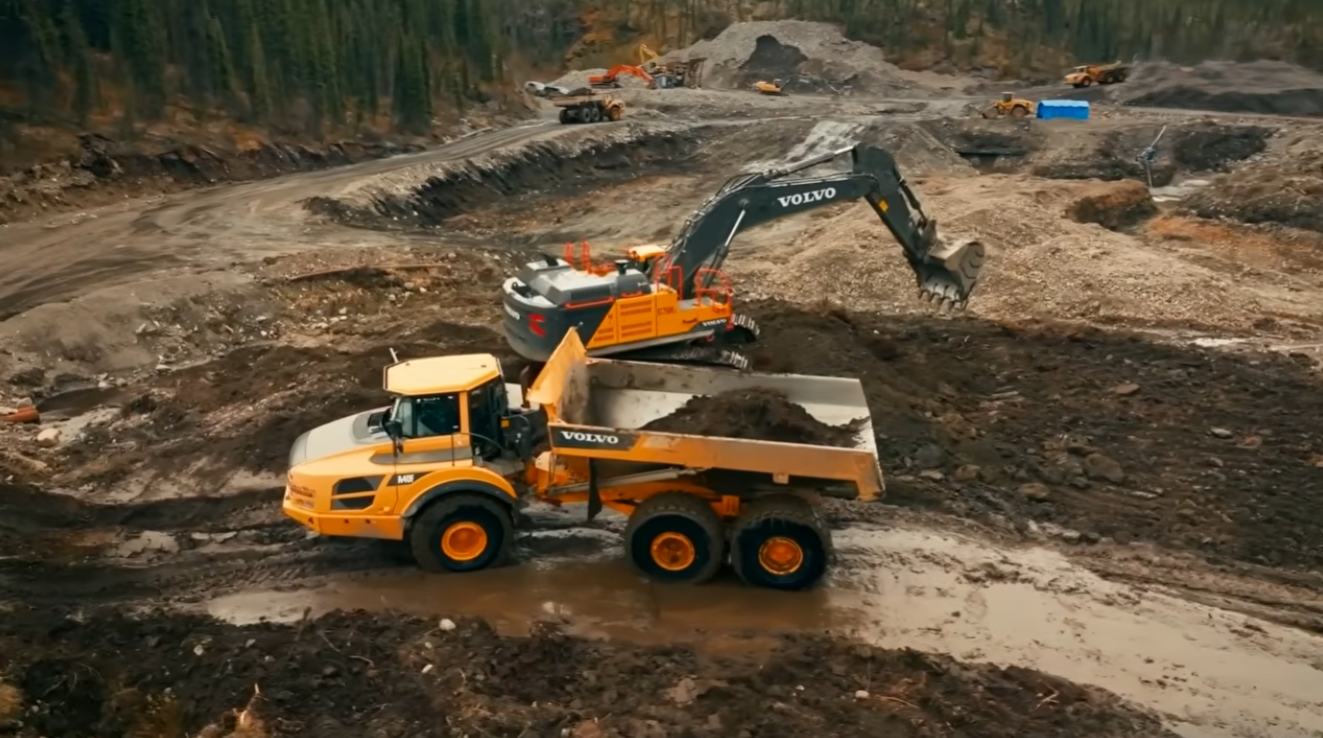
Still, with time running and few alternatives available, Rick pushed ahead. His crew stripped the shallow overburden and moved around 15 feet of pay in the Diamond Cut, preparing a stockpile for processing. The next job was to relocate his wash plant Rocky into position so that gold could finally start flowing. That, however, quickly turned into another tense and risky operation.
The plant, a 32-foot-wide, 25-ton machine, had to be dragged around 300 feet along a narrow track bordered by a creek on one side and a bank on the other. With little room for error, Rick relied on his crew to guide him as he pulled the plant into place using a 750 excavator. At one stage the move came dangerously close to trouble, with constant warnings about avoiding damage to the sluice boxes and not sending the plant into the river. Eventually, the crew got Rocky into position without breaking anything or injuring anyone, a small victory in a season where even basic progress has often felt hard-earned.
But the relief did not last.
Once water was introduced, the bank beside the plant began washing away alarmingly fast. The ground was too soft, with too much fine material and not enough solid rock to hold it together. Before any pay dirt had even been run, the crew had to shut everything down. Rick was forced to accept that the plant would need to be pulled back out and the area rebuilt with rock, costing more time and more money at a point when his operation could least afford it.
That left the crew waiting anxiously for their first weigh-in from the new ground. The result was grim. After four days, they recovered just 7.35 ounces, worth roughly $25,000. By the crew’s own standard, they needed at least 40 ounces to make the run worthwhile. Instead, the number was so poor that Rick and his team openly questioned whether the site could even begin to cover its own costs. The reaction was blunt. It was not simply disappointing. It was seen as a serious waste of time and a troubling sign that the chosen starting point at Lightning Creek may have been badly judged.
For Rick, the emotional strain is obvious. He admits he cannot afford to be mining without bringing anything home, and the weak start leaves him wondering whether he made the right decision. Yet even in that low moment, he stops short of abandoning the claim entirely. The wider ground package includes more than 100 claims, and both Rick and his crew believe the poor result may reflect the wrong starting spot rather than the full potential of the area. That means the plan, for now, is to keep pushing up the valley and hope the gold improves.
Then came the news that changed the mood completely.
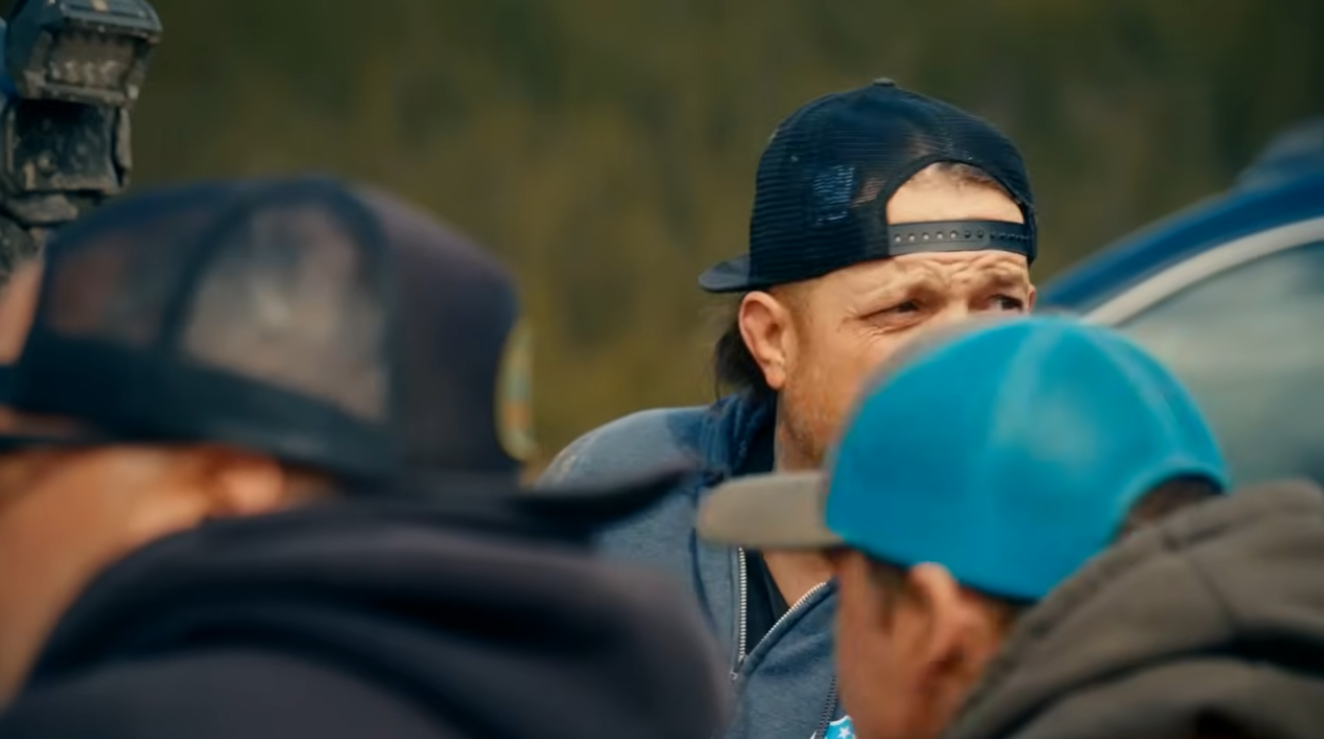
Rick gathered his crew to reveal that Lower Duncan had been granted a water licence extension through November 2025. The announcement transformed the atmosphere almost instantly. After losing access to the claim, Rick had been forced to walk away from a ground package that had produced nearly 6,000 ounces in four years. More importantly, it also meant leaving behind a pay pile believed to contain more than $1.4 million in gold. With the new approval now in place, that gold is back in play.
The significance of the development cannot be overstated. Lower Duncan, and particularly Vegas Valley, represents known ground with proven gold, something Rick badly needs after the uncertainty of Lightning Creek. His crew immediately recognises the importance of the moment, and there is a clear sense that the season may have been handed a second chance just when it seemed to be slipping away.
Even so, the breakthrough does not erase Rick’s problems. He has obligations tied to Lightning Creek, including a commitment to deliver 100 ounces to Troy as part of the purchase arrangement. That means he cannot simply walk away from the new deal and return to safer ground without consequences. Instead, he now faces a more complicated challenge: balancing the proven promise of Vegas Valley with unfinished business at Lightning Creek.
For now, Rick appears to understand both the opportunity and the danger. One bad week at Lightning Creek has already exposed how fragile the gamble can look. But the return of a water licence on Lower Duncan has reopened a door that once seemed firmly shut. In a season defined by setbacks, risks and sudden reversals, Rick Ness now finds himself with something he has not had in some time — a genuine path forward, even if it remains far from simple.