
Working as a crab fisherman on Deadliest Catch has always been presented as one of the toughest jobs on television. The crews battle freezing waters, punishing weather, long hours and constant uncertainty, all while trying to bring in a catch valuable enough to make the season worthwhile.
But while the risks are clear, the rewards can also be significant. Over the years, several Deadliest Catch stars have opened up about how much money can be made in the crab fishing industry, revealing that the income can range from modest seasonal paydays to huge earnings when the catch is strong.
Unlike many regular jobs, crab fishermen do not usually work on a fixed salary. Their pay often depends on how much crab is caught, delivered and sold. That means a strong season can bring in major money, while a poor season can leave crews with far less than they hoped.
Kenny Ripka explained the system during an interview with People in 2016, saying that income can change dramatically from one year to the next.
“It varies year to year,” he said. “We don’t get paid a wage or a salary. We get paid on what we catch and what we deliver.”

Ripka added that, as a captain, he had experienced years where he made between $150,000 and $170,000. For deckhands, the figure is usually lower, but still impressive for a short period of work. According to him, deckhands can make anywhere from $15,000 to $50,000 for just a couple of months on a boat.
Gary Ripka also gave an example of how strong the earnings can be during a successful run. He revealed that in 2016, his deckhands made around $30,000 for roughly five to six weeks of fishing work.
For many viewers, those numbers help explain why people continue returning to the Bering Sea despite the harsh conditions. A deckhand can sometimes earn in several weeks what others might make across a much longer period on land. However, that money is tied directly to performance, timing, market conditions and the amount of crab available.
Some captains have described even larger paydays. Jake Anderson, one of the best-known faces from Deadliest Catch, shared his own experience in a 2018 interview with Fox Business. He revealed that during one particularly strong season, he grossed $2.5 million in just 11 days.
Josh Harris has also spoken about how quickly money can be made when the catch is exceptional. He said captains can make as much as $2 million in only two days if conditions are right and the boat brings in a valuable haul.
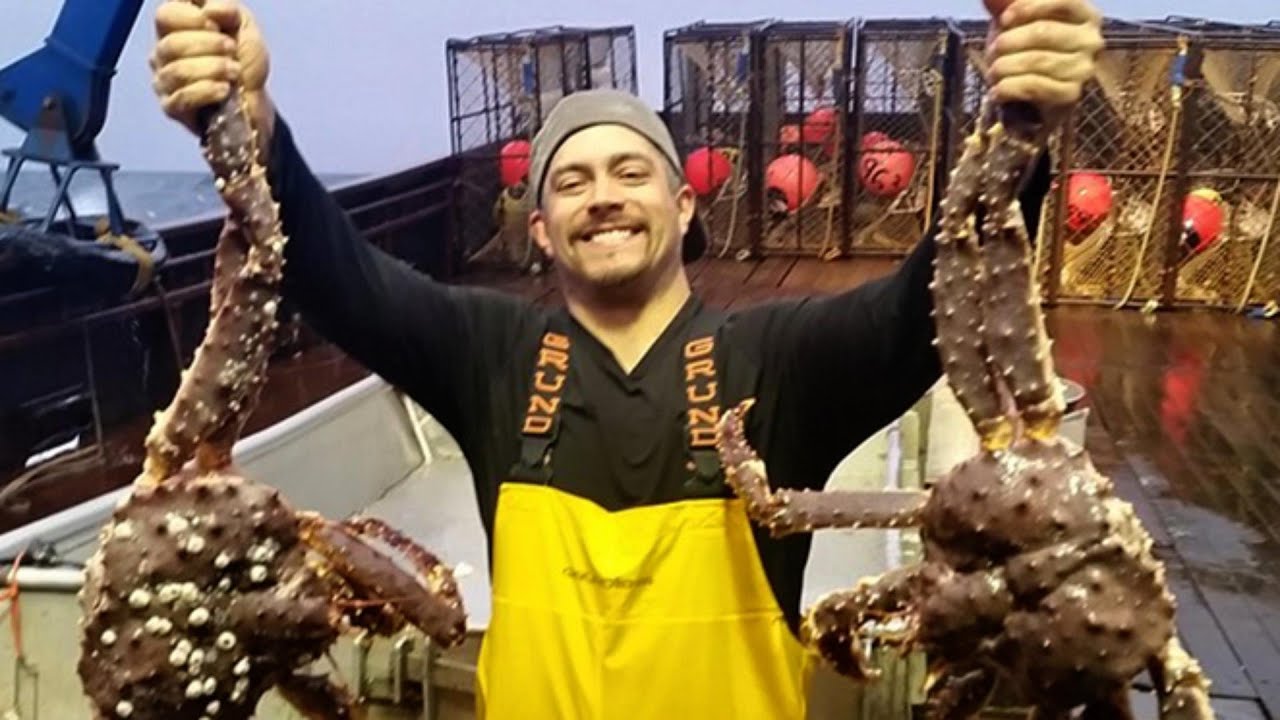
However, those kinds of figures are not typical for everyone. Huge million-dollar runs can happen, but they are rare and depend on a combination of quota, location, crew efficiency, weather, timing and market value. For most captains, a good season is more likely to mean hundreds of thousands of dollars rather than several million.
There is also another source of income for the stars of Deadliest Catch. In addition to their fishing earnings, the captains are paid for appearing on the Discovery series. According to Monsters & Critics, captains can earn between $25,000 and $50,000 per episode.
That television money can make a major difference, especially in an industry where fishing income is never guaranteed. The show has turned several captains and crew members into recognizable TV personalities, giving them a second income stream beyond the crab they catch at sea.
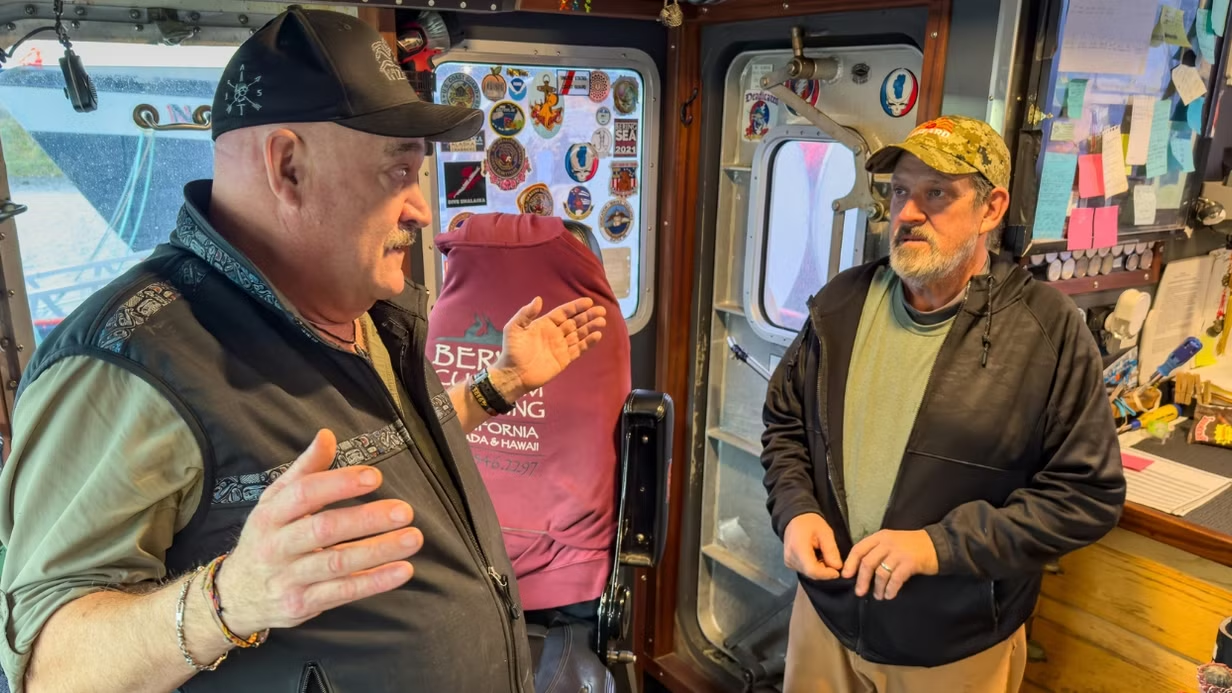
Still, the earnings come with serious pressure. Crab fishing is physically demanding and unpredictable. Crews work long shifts in brutal conditions, surrounded by heavy equipment, icy decks and rough waters. Medical problems and injuries have affected multiple Deadliest Catch stars over the years, reminding viewers that the job is far more dangerous than the paycheck alone might suggest.
The financial side of the industry is also unstable. Even experienced captains cannot simply assume that each year will bring another profitable season. Regulations, crab populations and closures can all change the future of a boat almost overnight.
Sig Hansen has spoken openly about that uncertainty, explaining that shutdowns can leave fishermen unable to work in the way they expected.
“We’ve had king crab season shut down for three, sometimes four years in a row,” Hansen told Channel Guide. He added that when someone’s income depends on getting the boat out to fish, there is no simple retirement plan. A captain may not know from one year to the next whether there will even be a fishing season available.

That uncertainty adds another layer to the show’s tension. While Deadliest Catch often focuses on weather, mechanical problems and crew conflict, the bigger question is always whether the trip will be worth the risk. A successful season can change a crew’s financial outlook. A failed one can leave captains and deckhands facing a difficult year ahead.
The pay structure also helps explain the pressure seen on board. When crew members know their income depends on the catch, every delay matters. Bad weather, broken gear, missed grounds or poor fishing can directly affect what everyone takes home. For captains, the responsibility is even greater, because they must protect the crew, manage the boat, chase the crab and make decisions that could affect everyone’s earnings.
That combination of danger and reward is part of what has kept Deadliest Catch compelling for so many seasons. The show is not just about boats searching for crab. It is about people risking their comfort, safety and financial security for a chance at a major payday.
For some, the reward can be life-changing. For others, the season can end with far less than expected. But as the stars of Deadliest Catch have made clear, crab fishing remains one of the most unpredictable ways to earn a living.
When the catch is strong, captains and crews can walk away with remarkable sums. When the season turns against them, there are no guarantees.
That reality is what makes the job so difficult — and why the rewards, when they come, can feel so valuable.
