
Bank of England inflation data suggests the programme’s iconic £1million jackpot is now worth the equivalent of around £505,600 in today’s money
Jeremy Clarkson’s Who Wants to Be a Millionaire? may still offer contestants the chance to win £1million, but the prize is worth barely half of what it was when the programme first launched.
Analysis using Bank of England inflation figures shows the show’s famous top prize has fallen in real terms to around £505,600.
The ITV quiz show, now in its 36th series, made television history when it debuted in September 1998 with the first regular seven-figure jackpot on British television.
Despite numerous format changes over the years, the £1million prize has never increased.
To match the spending power of the original jackpot, contestants today would need to win around £2.2million.
At its peak, the programme is said to have attracted audiences of 19 million viewers hoping to see a contestant answer all 15 questions correctly.
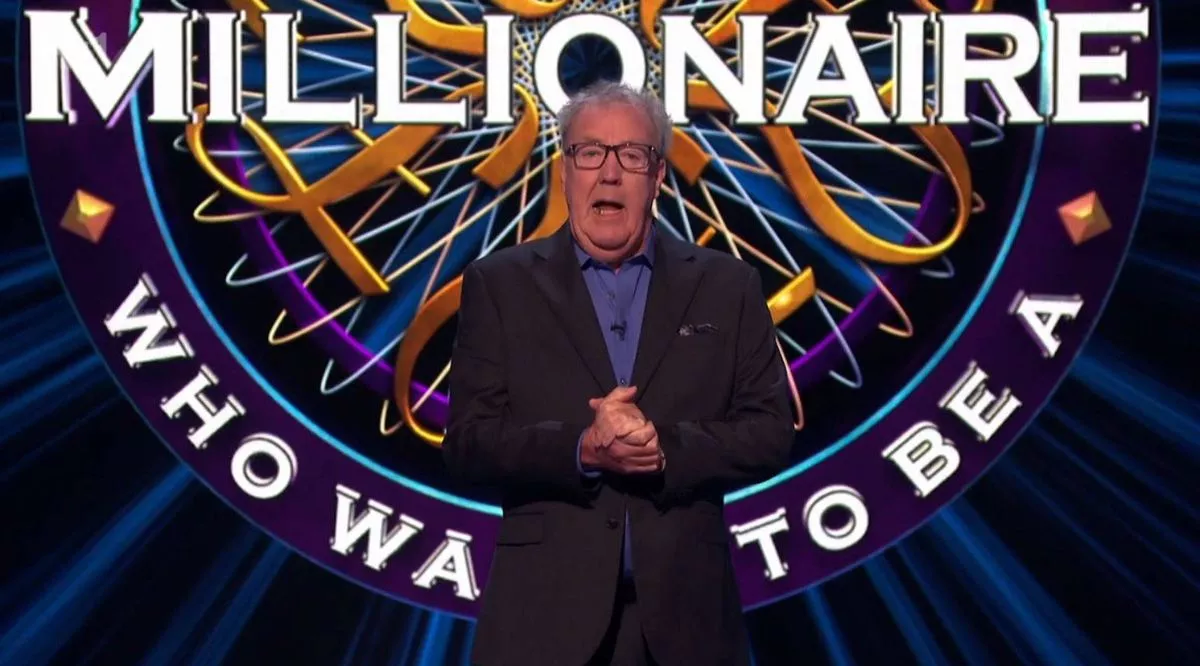
Roman Dubowski became the show’s seventh millionaire last month after correctly identifying Bass Ale as the trademarked logo referenced in James Joyce’s Ulysses and featured in works by Édouard Manet and Pablo Picasso.
However, in today’s money, his winnings were worth roughly £473,000 less than the amount received by Judith Keppel, who became the programme’s first jackpot winner in November 2000.
The figures show how sharply inflation has reduced the prize’s real-world value over time.
Ms Keppel’s victory was worth the equivalent of £979,100 today, while David Edwards and Robert Brydges each received winnings worth around £967,200 when they won in 2001.
Pat Gibson’s 2004 victory would equal £929,800 today, Ingram Wilcox’s 2006 win was worth £890,300, while Donald Fear’s 2020 jackpot equated to around £654,500.
Brian Byrnes, of wealth platform Moneybox, said: “This is a sobering illustration of the impact inflation can have.
“Today, the show would almost need to be called ‘Who Wants To Be A £2.2 Millionaire?’ to give people a similar level of wealth.”
Mr Byrnes said the figures highlighted the importance of growing money over time rather than leaving it sitting in cash savings.

“Inflation can quietly erode the value of cash sitting in low or no-interest accounts, which makes the case for long-term investing even more compelling,” he added.
The analysis also examined how £1million from 1998 could have grown through investing.
According to the figures, keeping the money in cash savings would have increased its value to around £2.1million today.
Investing the same amount in a globally diversified tracker fund, however, could have produced returns of between £6million and £8million.
James Norton, of investment manager Vanguard, said: “Winning £1million still sounds like instant financial security, but inflation is a reminder that money doesn’t stand still if it’s left sitting in cash.”
Despite the prize losing much of its original value, Ms Keppel said the win still transformed her life.
