Oak Island Mystery Expands: Leaked Evidence Suggests Two Chambers, Hidden Tunnels, and Unsolved Questions

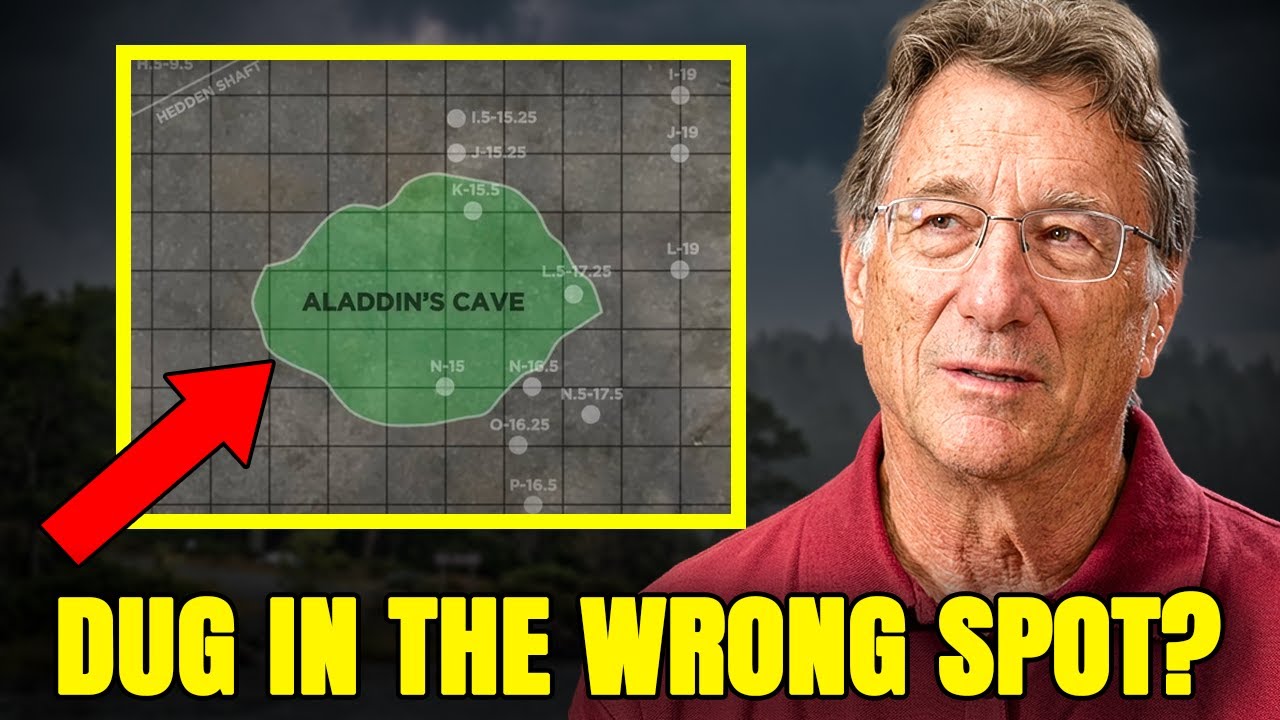
For over 200 years, Oak Island has been the subject of intense speculation, with treasure hunters and explorers digging into the earth in search of a hidden fortune. But new evidence emerging from the latest season of The Curse of Oak Island suggests the search may have been flawed all along. A groundbreaking discovery reveals not just one but two underground chambers, a vast tunnel network, and a mystery deeper than anyone could have imagined.
New Discoveries: Two Separate Chambers Beneath Oak Island
For centuries, Oak Island’s famous “Money Pit” was believed to be the singular target of treasure hunters. The assumption was simple: dig straight down, and you’ll uncover the treasure buried below. But recent findings are challenging that narrative. According to the latest reports, the team has uncovered evidence of two distinct underground chambers, positioned 30 feet apart from each other, with each chamber exhibiting unique structural characteristics.
This revelation radically changes the approach to the island’s mystery. If true, the treasure was never concentrated in one spot, but rather distributed across multiple locations. This would mean that whoever buried the treasure deliberately spread it out, possibly as part of a larger, more complex system, designed to ensure that no single point of failure could destroy the entire operation. The evidence suggests a methodical, large-scale effort—not just a hasty treasure deposit.
Tunnel Networks and Layered Infrastructure
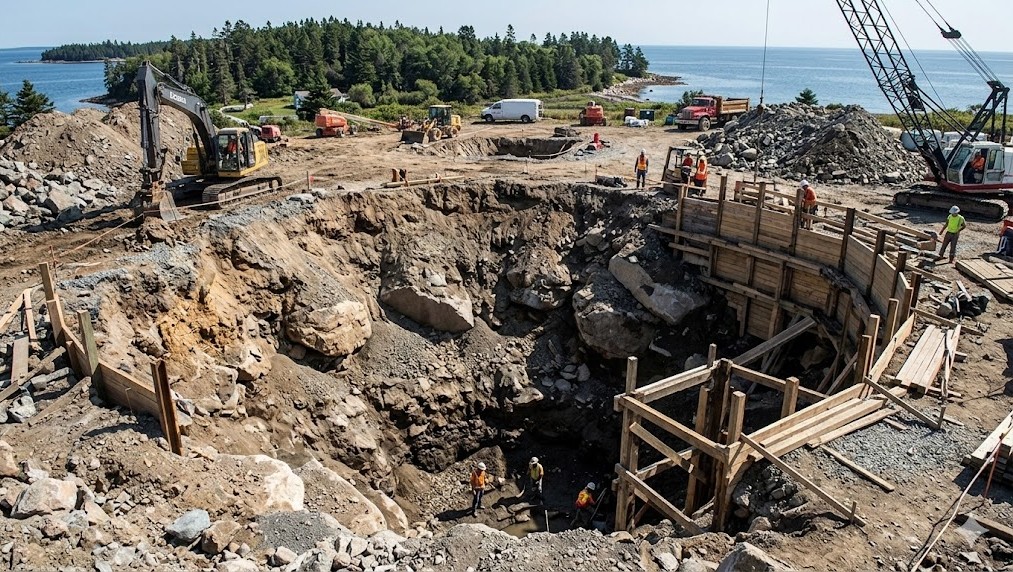
Even more intriguing is the discovery of an extensive tunnel system connecting these chambers. Borehole data from multiple points on the island revealed tunnels at two different depths, running in different directions, offering further evidence of an underground system far more advanced than anything previously imagined.
At one point, the team discovered a tunnel system running east-west, confirmed across three separate boreholes. This discovery provides more than just a theory; it offers solid evidence of a well-planned, man-made structure. The dating of wood found within the tunnels has raised additional questions. Carbon dating revealed that some of the wood in these tunnels dates back to 1735—sixty years before the traditional discovery of the Money Pit in 1795. This suggests that whoever built the tunnels was active on the island long before the “official” discovery.
Chemicals and Precious Metals Found in Tunnels
Adding another layer of intrigue, chemical analysis of materials from these tunnels revealed traces of gold, silver, and even palladium. These precious metals suggest prolonged contact with valuable goods, pointing to the possibility that the tunnels were used to store or transport treasures.
If these claims are accurate, the chamber system is far more than just a vault; it could be a strategic storage system designed to protect valuable artifacts and metals over long periods of time.
Surface Artifacts: Evidence of Pre-Existing Activity
Surface findings from various lots on Oak Island only add weight to the growing theory of a large-scale, coordinated operation. Artifacts such as a chest clasp, a Tudor period coin, and a copper tube potentially containing parchment, suggest that Oak Island may have once served as a strategic staging area for organizing and preparing treasures for movement—perhaps offshore or underground. These objects, when taken together, hint at far more complex human activity than simple treasure hunting.
Fred Nolan’s Legacy: The Distributed Treasure Theory
These recent discoveries now lend credibility to the theories of Fred Nolan, a long-time Oak Island researcher who was largely dismissed for his belief that the treasure was not located in one central spot. Nolan’s theory of a distributed treasure spread across multiple sites on the island is now supported by the data emerging from the current investigation. His work mapping out “Nolan’s Cross,” a pattern of large stones across the island, may have been more than just a coincidence—especially now that the evidence is aligning with his ideas.

Skepticism and the Sinkhole Theory
While the discoveries continue to challenge the traditional narrative, not everyone is convinced. Skeptics argue that Oak Island’s anomalies are simply the result of natural sinkholes, with water and time causing the island’s underground features to collapse. However, this theory doesn’t account for the man-made tunnels, the preserved wood dating to the 18th century, or the traces of precious metals found in the underground wood.
What’s Next for Oak Island?
With this new evidence, the Oak Island mystery has evolved from a simple treasure hunt to a much larger puzzle. The discovery of two chambers, the tunnel network, and artifacts pointing to planned human activity are forcing researchers to rethink their approach. The question now isn’t just what’s buried on Oak Island, but who had the resources, knowledge, and motivation to construct such a vast underground infrastructure.
As the team prepares for the next phase of excavation, one thing is clear: the mystery of Oak Island is far from over, and the next breakthrough could completely reshape our understanding of early exploration, treasure hunting, and hidden histories.