The Curse of Oak Island Season 13 Finale Leaves the Money Pit Mystery Open Once Again


The Curse of Oak Island closed its Season 13 finale, Pure Gold, with another mixture of discovery, frustration and unfinished promise, as the Lagina brothers and their team returned to the Money Pit area hoping for a breakthrough that never fully arrived.
The episode followed the familiar Oak Island pattern: a major final push, several intriguing objects, expert interpretation and a closing message that suggested the search is far from finished. For long-time viewers, it was another finale built around possibility rather than certainty.
At the centre of the episode was the team’s work in the Money Pit, where the final large shaft of the season produced several finds. Among them were pieces of wood, a section of old drilling pipe and a small metal object. Gary Drayton suggested that one piece of timber may have been exotic wood, raising questions about whether it had been brought to the island from elsewhere.
However, the shaft did not produce the decisive treasure chamber or clear underground structure that many viewers had hoped to see. After reaching the lowest point of the excavation, the team used drilling equipment to probe the surrounding rock, but the results remained inconclusive.
Rather than ending the search, the lack of a clear answer appeared to strengthen the team’s determination to return. The finale made it clear that further investigation around the Money Pit and Shaft 2A is likely to remain a major focus going forward.
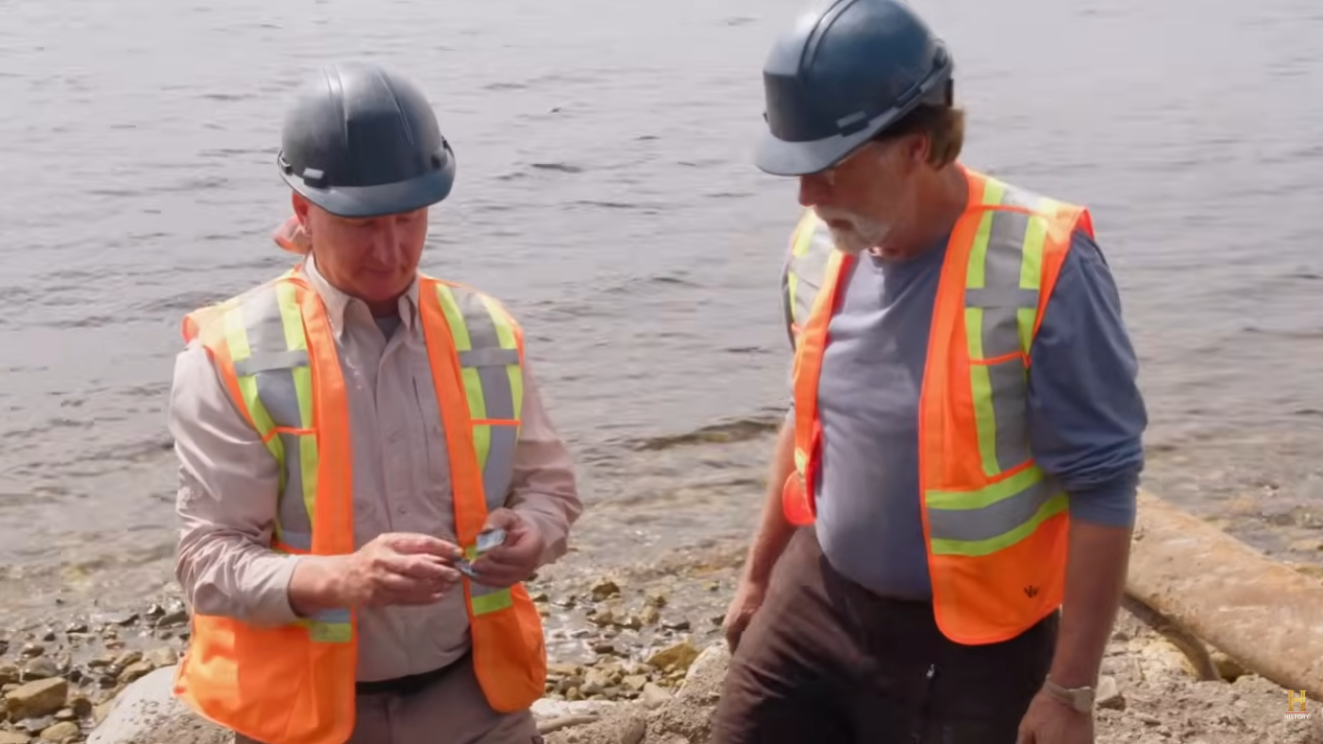
Elsewhere on the island, Gary Drayton and Billy Gerhardt searched through the Dunfield spoils, the disturbed earth left from earlier excavations. Their work produced a coin, which was later examined by Emma Culligan. She identified it as an English coin dating from the 1600s or 1700s.
The coin added another historical layer to the season’s collection of finds. While it did not directly solve the treasure mystery, it supported the show’s long-running argument that Oak Island saw activity from different groups and time periods. In recent seasons, the programme has increasingly focused not only on treasure, but also on the broader historical puzzle of who visited the island and why.
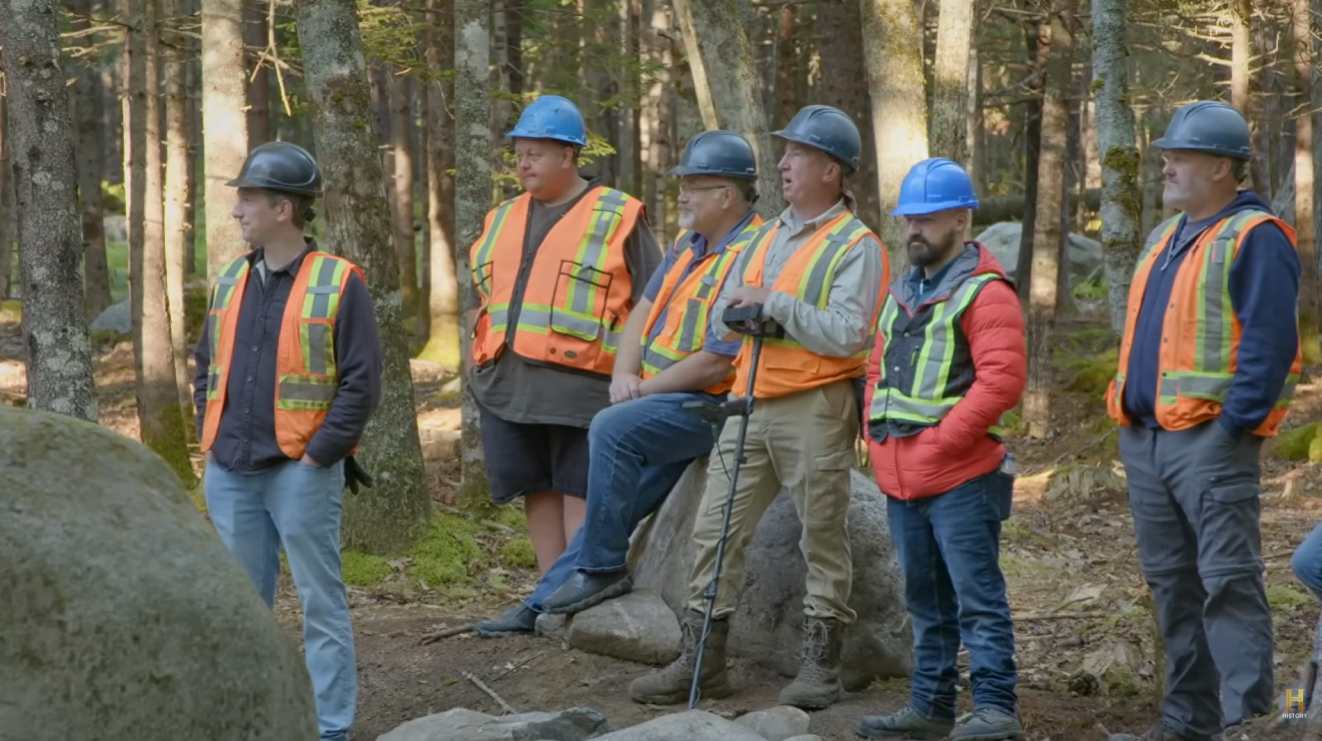
The finale also returned to one of the season’s key scientific arguments. Dr Ian Spooner presented his interpretation of wood samples and their ability to absorb traces of precious metals from the surrounding environment. According to Spooner, the evidence continued to suggest the presence of silver and gold near the bottom of Shaft 2A.
That claim gave the episode its central emotional pull. Even without a visible treasure discovery, the idea that precious metals may still be concentrated deep below the surface gave the team a reason to continue. For Rick and Marty Lagina, the data appeared to be another sign that the search is moving closer to an important answer.
Marty also brought out a modern gold coin during the finale, using it as a symbolic object rather than a direct archaeological find. The moment was designed to underline the season’s continuing focus on gold, hope and belief in the search.
As the episode moved toward its closing scenes, Rick Lagina reflected on the journey with visible emotion. His response captured what has kept the series alive for so many years: not just the possibility of treasure, but the personal commitment of the people involved.
For some viewers, the finale may have felt familiar. The show ended another season with clues, expert theories and a promise of more work ahead, but without the definitive discovery that would finally resolve the mystery. That balance between progress and delay has become one of the defining features of The Curse of Oak Island.
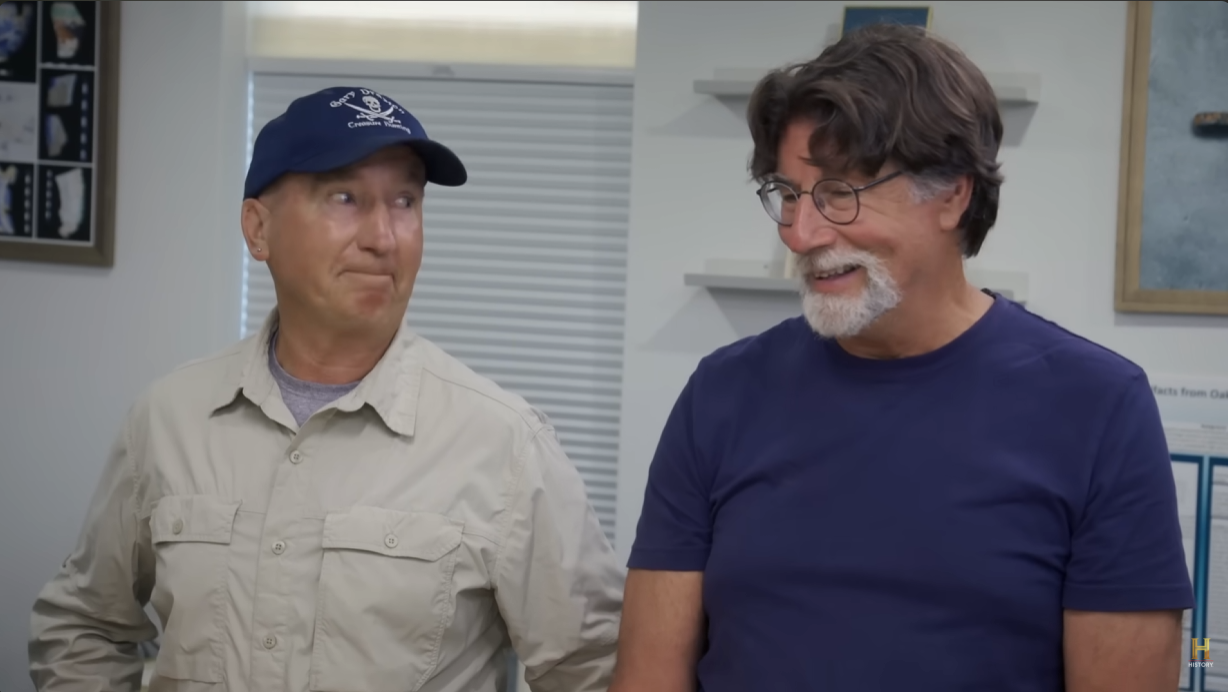
Still, the finale did offer several points likely to shape future episodes. Shaft 2A remains a major area of interest. The Money Pit has not been ruled out. The finds from the spoils continue to suggest historical activity on the island. And the scientific discussion around metal traces in wood gives the team another reason to keep testing the underground environment.
The season also reinforced the programme’s shift from a simple treasure hunt into a broader historical investigation. Coins, wood, metal fragments, drilling evidence and soil samples are now treated as pieces of a much larger puzzle.
Whether that puzzle leads to treasure, a lost structure or simply a deeper understanding of Oak Island’s past remains unclear.
What is clear is that Pure Gold did not close the story. Instead, it extended it. The finale left the Lagina brothers with enough evidence to justify another return, while leaving viewers with the same question that has followed the island for generations: is the real answer still buried beneath the Money Pit, or is Oak Island’s greatest treasure the mystery itself?