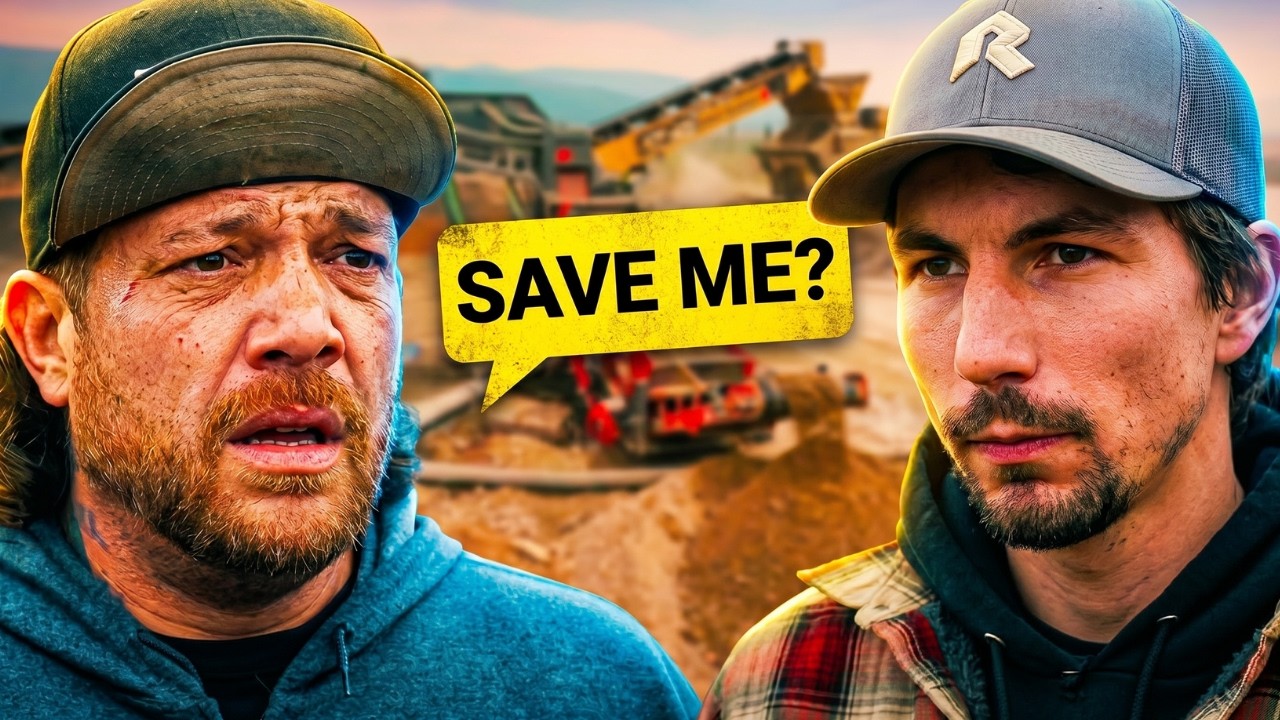
Rick Ness has faced difficult seasons before, but his latest run in the Yukon may be one of the most testing chapters of his mining career.
After weeks of setbacks, mounting costs and failing equipment, the Gold Rush miner found himself in a position where one damaged machine part threatened to stop his entire operation. In that moment, Ness turned to a familiar name from his past: Parker Schnabel.
The visit was more than a simple equipment run. It became a reminder of the history between the two miners, the pressure of independent mining, and the thin line between survival and collapse in the Klondike.
Ness entered the season needing a strong result. After several difficult years, his operation required stability, momentum and a clean path toward gold. Instead, he was hit by one setback after another.
The biggest blow came at the Valhalla cut. Ness had committed nearly two months of work and close to a million dollars to the site, hoping it would become the turning point of his season. The ground looked promising, and the crew pushed hard to strip it back in search of gold-rich paydirt.
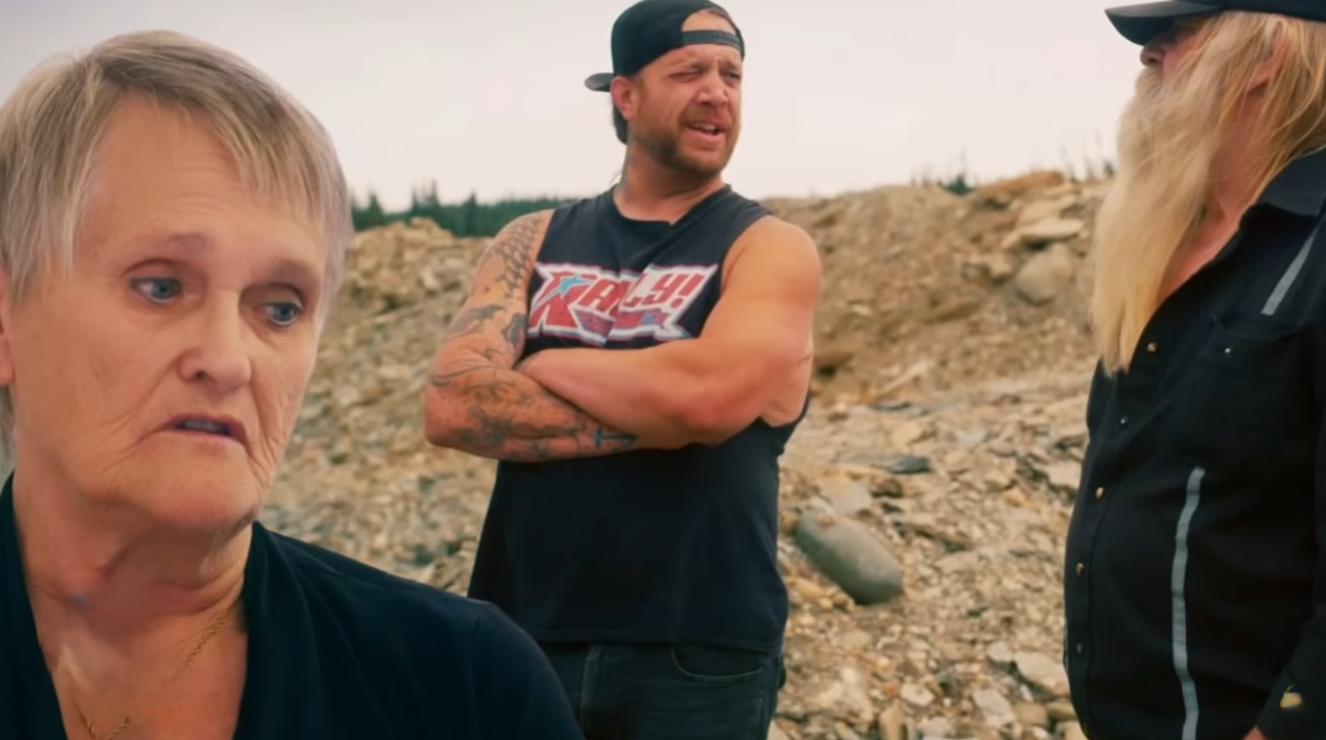
But instead of a breakthrough, they found a thick clay layer blocking access to the ground below. The obstacle was too large, too time-consuming and too expensive to overcome with winter closing in. Ness was forced to walk away from Valhalla, leaving behind weeks of labour, fuel costs and heavy financial pressure.
The failed cut placed Ness in an extremely vulnerable position. Unlike larger operations with deep fleets and wider financial room, his crew had little margin for error. A single bad decision could reshape the whole season.
With Valhalla abandoned, Ness returned to Vegas Valley, a location that had helped rescue his previous year. But the site brought fresh problems. Dangerous permafrost walls threatened the safety of the crew, forcing Ness to focus on stabilising the ground before serious mining could continue.
Then the equipment failed.
The floor of his excavator bucket tore apart, leaving the machine unable to handle the frozen ground. Without that bucket, the excavator was effectively useless. Without the excavator, Ness had no realistic way to keep working safely at Vegas Valley.
At that point in the season, waiting days or weeks for repairs was not an option. The Yukon mining calendar is unforgiving, and every lost day pushes crews closer to winter shutdown. Ness needed a replacement quickly, and he knew there was one person who might have what he needed.
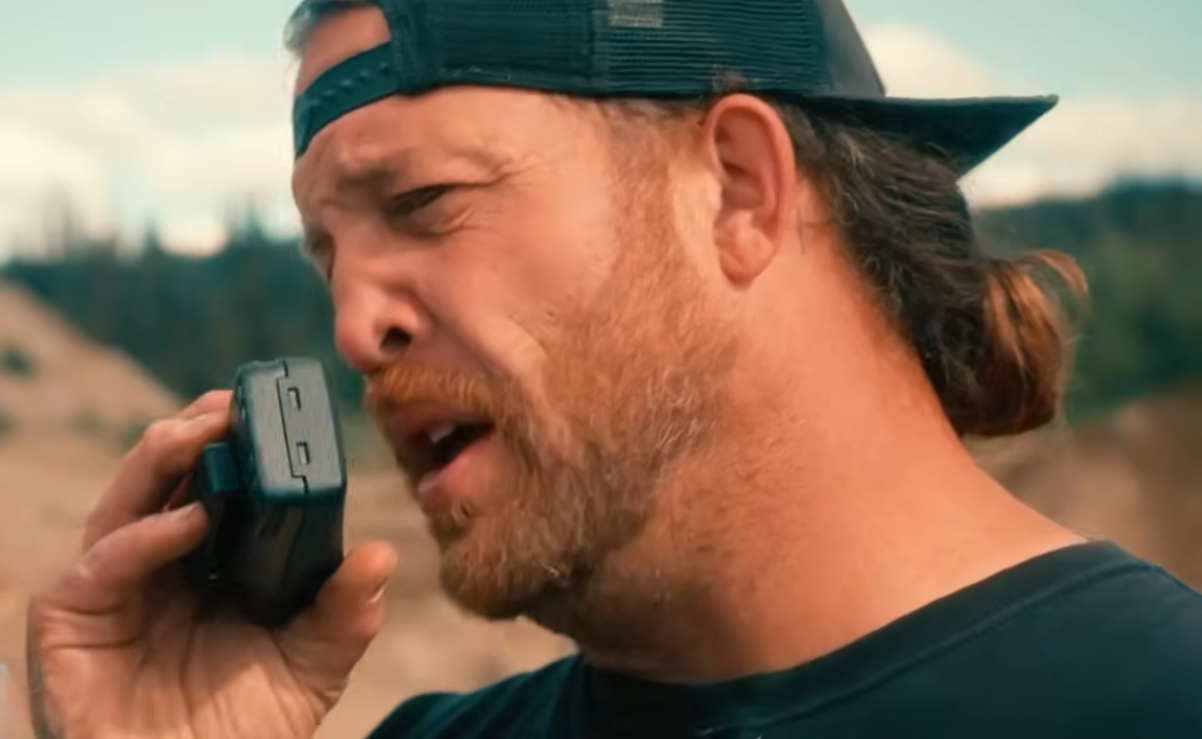
That led him to Parker Schnabel’s operation near Hunker Creek.
The contrast between the two mining camps was striking. Ness arrived with an ageing machine problem that could stop his season. Schnabel, meanwhile, was running one of the most powerful mining operations in the region. His site was filled with heavy machinery, haul trucks, multiple wash plants and a newly arrived Caterpillar D11 bulldozer.
For Ness, the scale of Schnabel’s operation was almost overwhelming. Parker had grown from a young miner into one of the dominant operators in the Klondike, with equipment and infrastructure that few crews could match.
Still, the meeting between the two men was not cold or strictly business. Their shared history was clear from the start. Ness once worked under Schnabel before building his own independent operation, and although their paths have moved in different directions, the connection between them has never fully disappeared.
Ness explained that he needed a replacement bucket if he had any chance of continuing at Vegas Valley. Schnabel did not hesitate to help him look through old equipment around the yard.
Several buckets were ruled out. One did not fit the right coupler system. Another belonged to a different excavator model. Eventually, they found a worn but usable bucket that appeared to be the best available option.
Schnabel joked about charging Ness $10,000 because he disliked dealing with used equipment. But the humour softened a tense moment. In the end, Parker agreed to sell the bucket for $5,000, and Ness accepted with a handshake.
On paper, it was just a machinery deal. In reality, it carried more meaning.
Ness was not only leaving with a bucket. He was leaving with a chance to keep his season alive. After Valhalla had nearly pushed his operation to the edge, the replacement part gave him a path back to Vegas Valley and a way to continue fighting for a result.
The visit also opened a deeper conversation between the two miners. Ness joked that what he really needed was part of his life back, a comment that reflected the emotional toll of years spent in the gold fields. Both men discussed the possibility of eventually leaving mining behind, especially with gold prices high and mining operations potentially valuable to buyers.
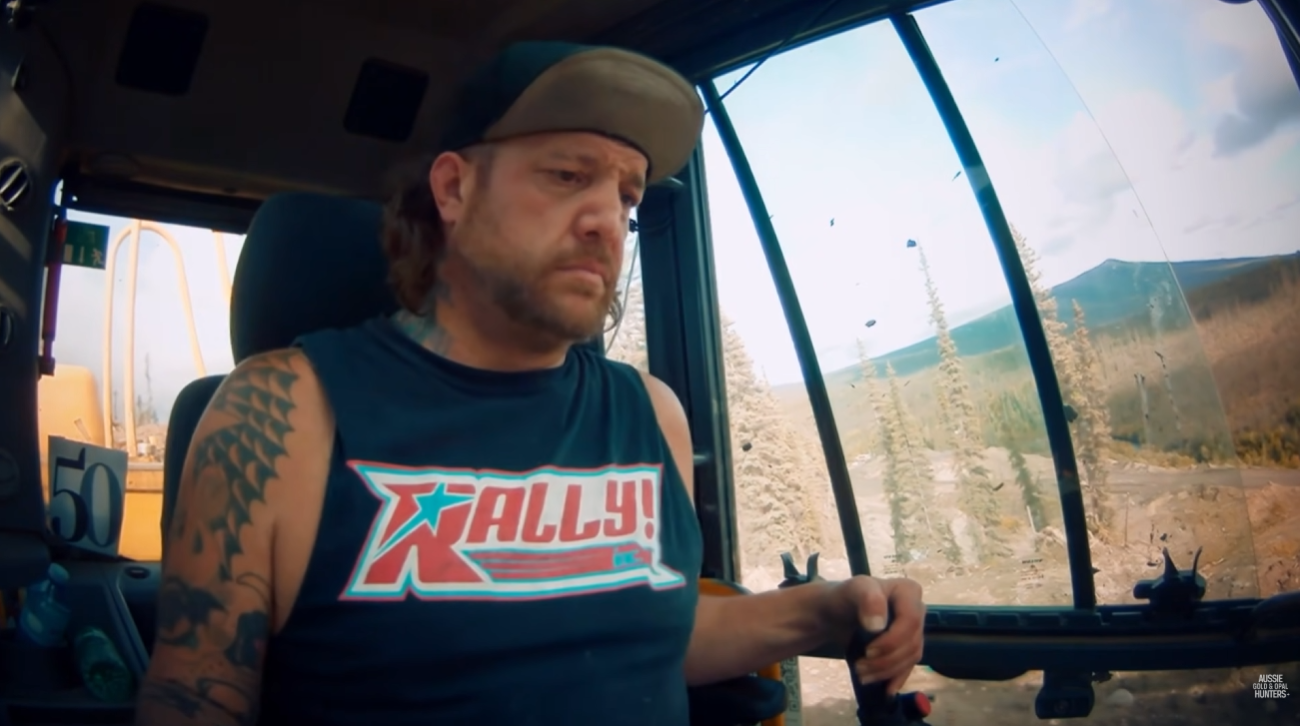
But neither sounded ready to walk away.
That exchange revealed one of the central truths of Gold Rush. For miners like Ness and Schnabel, the work is not just a business. It becomes part of their identity. The pressure, the risk, the exhaustion and the chase all become tied together.
Ness has already faced the possibility of selling his operation, especially after interest from Tony Beets. But the visit to Schnabel seemed to give him renewed energy. Seeing what Parker had built showed what was still possible in the Klondike. More importantly, receiving help from an old friend reminded him that even in a fiercely competitive industry, loyalty still matters.
As Ness headed back to Vegas Valley, the replacement bucket represented more than metal. It symbolised a second chance in a season that had nearly slipped away.
Gold remains the prize in the Yukon, but for Rick Ness, Parker Schnabel’s help may prove just as valuable.
