
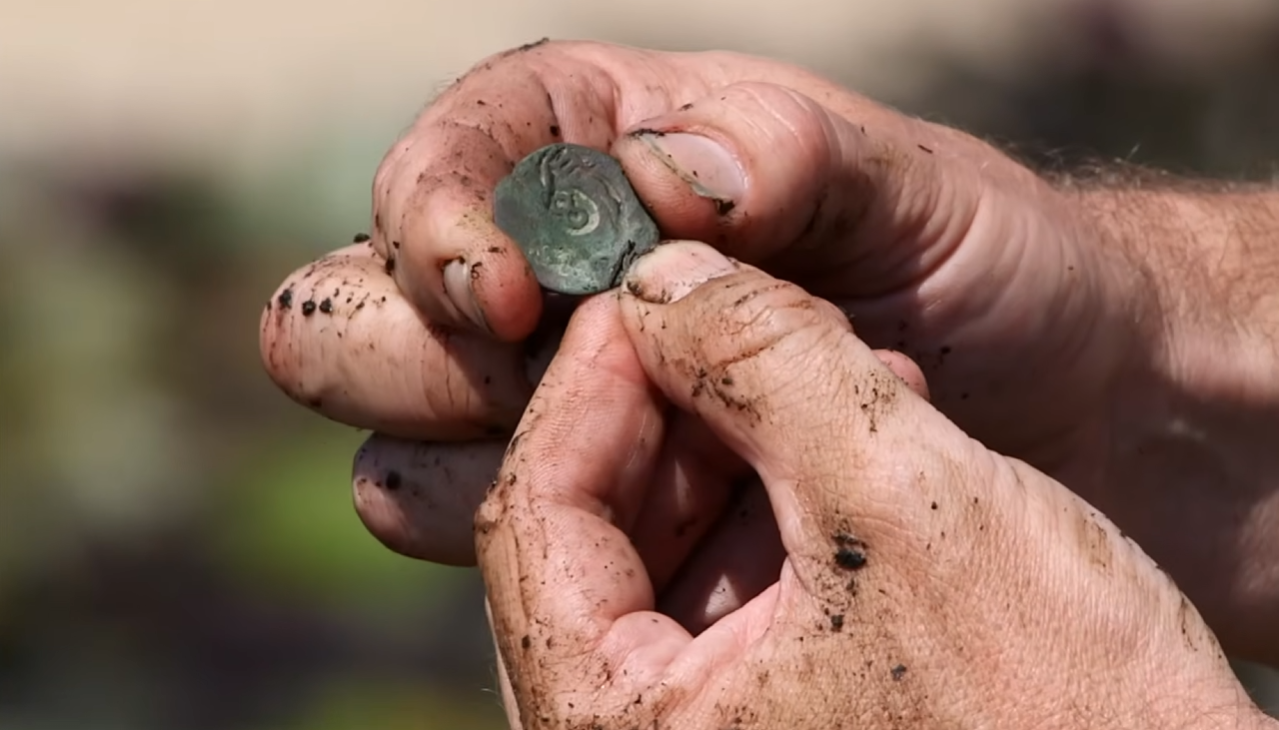
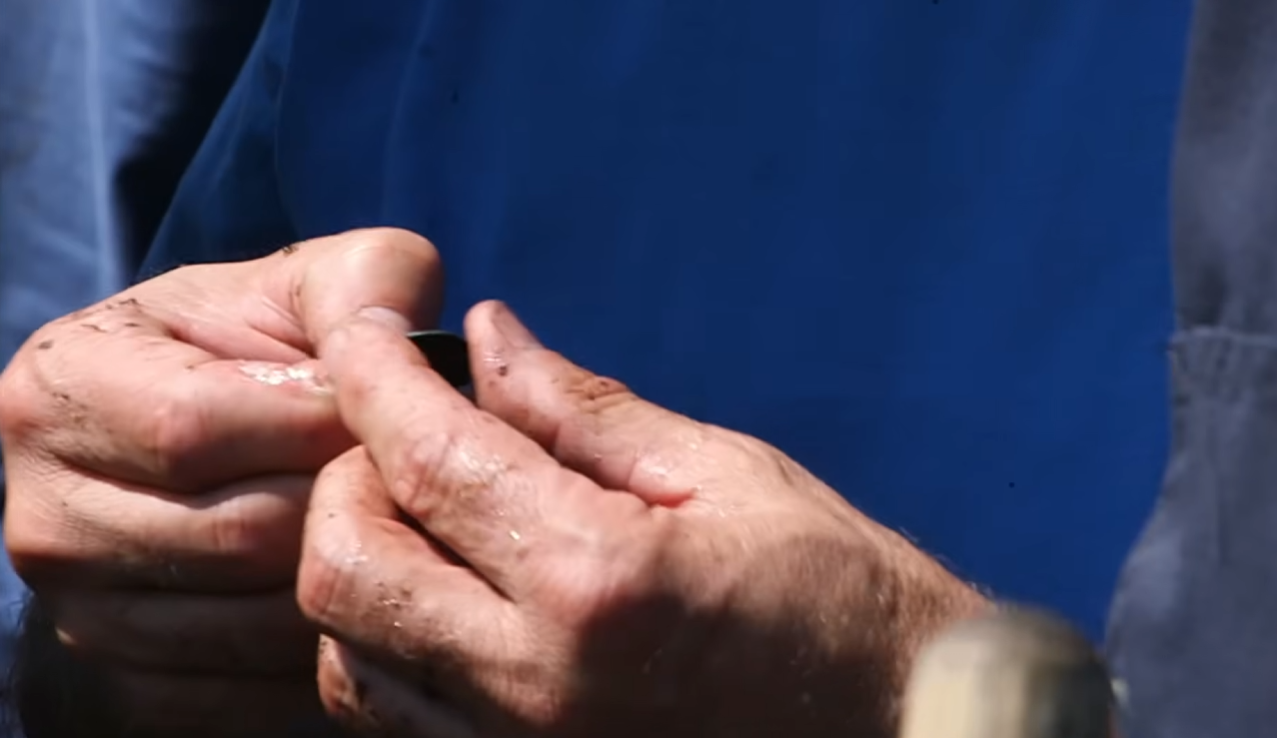
Decades of intrigue continue to unfold on Oak Island as the Lagina brothers and their team edge closer to uncovering long-sought treasures. In the latest episode of The Curse of Oak Island, the team unearthed a mysterious copper coin from the swamp, potentially dating back to the 1500s or 1600s, sparking renewed excitement over theories involving Spanish explorers and their hidden plunder. The discovery, small in size but immense in historical significance, could validate longstanding hypotheses about foreign treasure on the island.
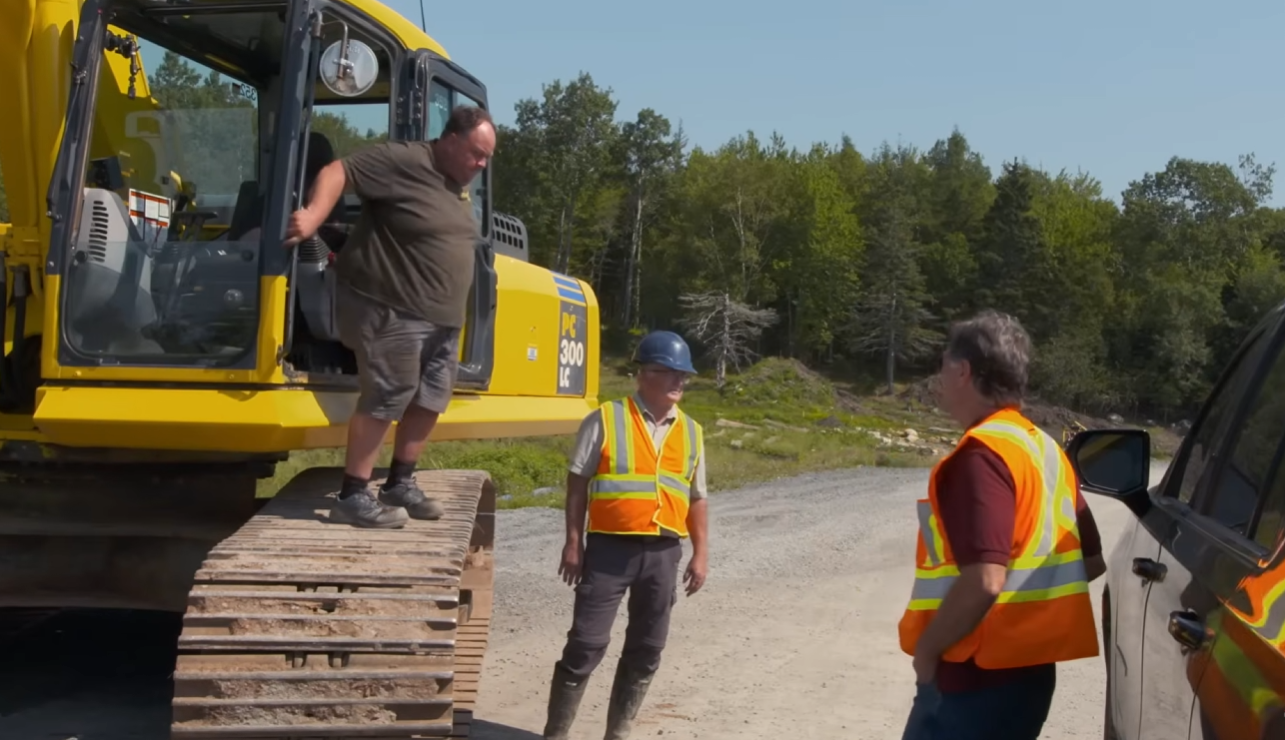
The swamp excavation, a notoriously difficult area to access, required both innovative equipment and meticulous coordination. A 35-ton long-reach excavator, operated by Billy Gerhardt, allowed the team to reach depths previously unattainable, while Marty Lagina simultaneously used a smaller 13-ton excavator to manage water levels. Metal detector specialist Gary Drayton scanned the spoils for further metallic evidence, combining modern technology with hands-on expertise to maximize the chance of uncovering significant artifacts.
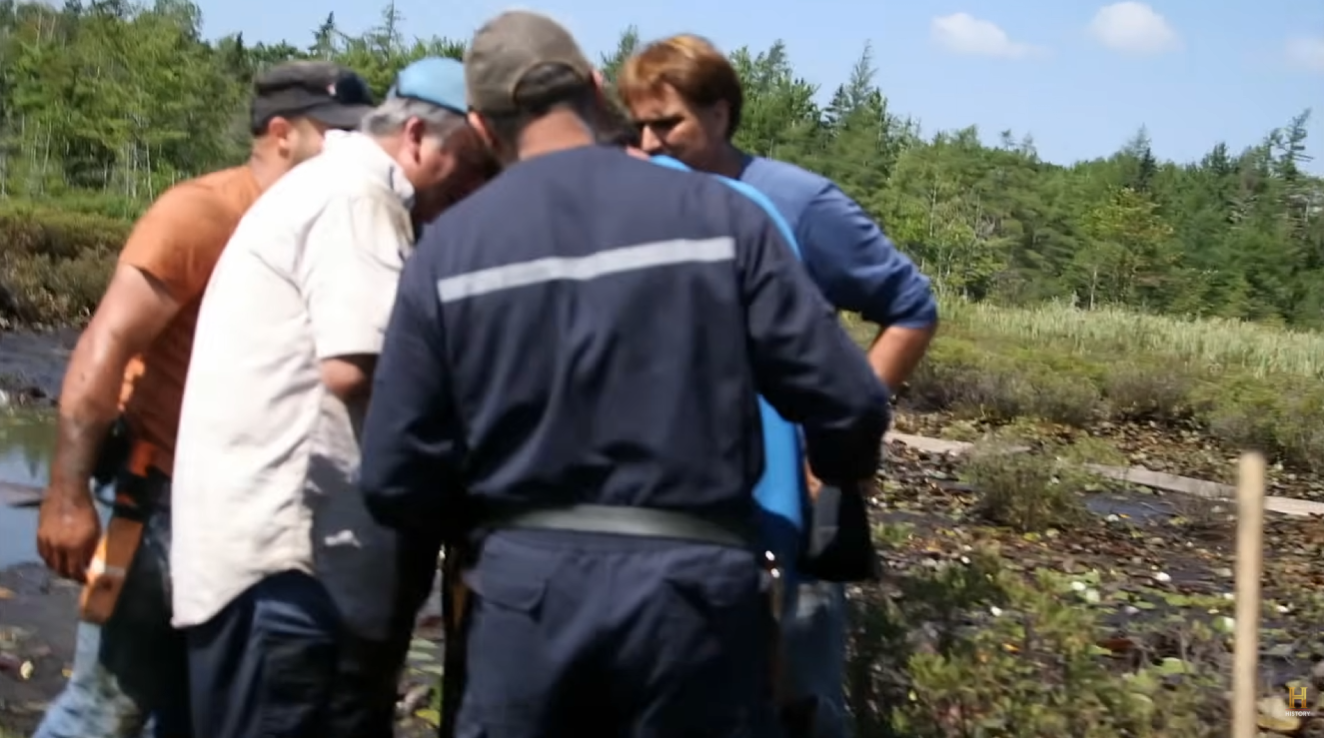
The coin discovery is especially important to Marty Lagina, who has long emphasized the need for tangible evidence to justify continued investment of both time and resources into the decades-long project. “This at least says a lot,” Lagina remarked, highlighting the significance of even a single artifact in validating the mission’s goals. The coin’s Spanish origins align with theories that Oak Island may have held a portion of treasure taken from the New World and hidden away by early European explorers.
In parallel, operations at the Garden Shaft progressed with methodical precision. The team employed probe drilling to locate structures believed to lead westward toward the supposed treasure zone. Rick and Marty descended together into the Money Pit area, a symbolic and practical milestone marking their hands-on engagement with the project. Using metal detectors and careful excavation, the team investigated non-ferrous signals that could indicate gold, silver, or copper, though legal restrictions prevented further drilling beyond certain depths this year.
The meticulous approach underscores a balance between ambition and safety. While the potential for significant finds remains high, the team must operate within permit limits, ensuring the integrity of the site and the safety of all involved. The exploration at the Garden Shaft also provided historical context, with oak tree stumps suggesting parts of the swamp may have been artificially created, supporting theories posited by the late Fred Nolan decades earlier.
Beyond the immediate discoveries, the episode highlighted the collaborative effort that defines the Oak Island project. Team members with varied skill sets, from heavy machinery operation to historical analysis, combined their expertise to navigate complex challenges. The Laginas’ approach demonstrates how modern treasure hunting blends traditional archaeological insight with cutting-edge technology, offering viewers a glimpse into both the historical and technical dimensions of the search.
As the season concludes, anticipation builds for the next phase of exploration. While the team must pause due to environmental and legal constraints, the recent findings — including the copper coin and non-ferrous signals at the Garden Shaft — provide optimism for future breakthroughs. Fans and historians alike are left to speculate on what might be revealed next spring, as Rick, Marty, and their team prepare to continue the quest to finally uncover the island’s long-elusive secrets.
The Oak Island expedition remains a testament to perseverance, technology, and historical curiosity, as the search for treasure and truth continues to captivate audiences worldwide.
