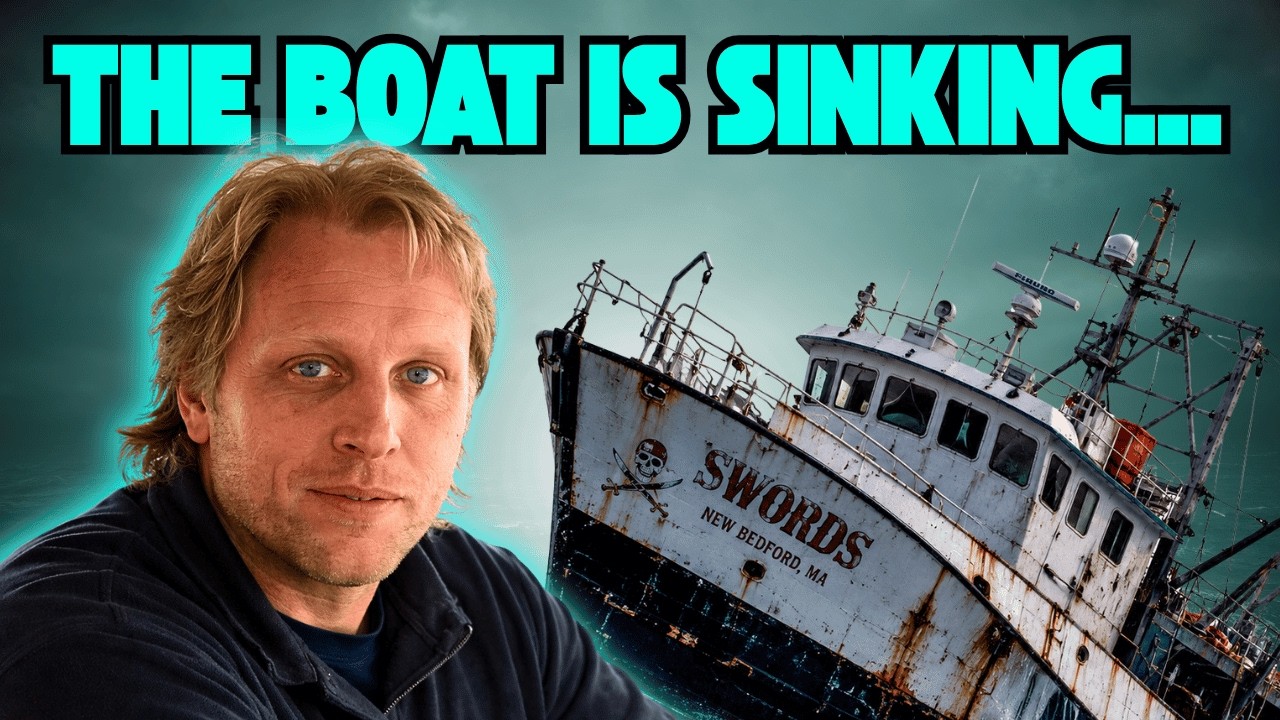
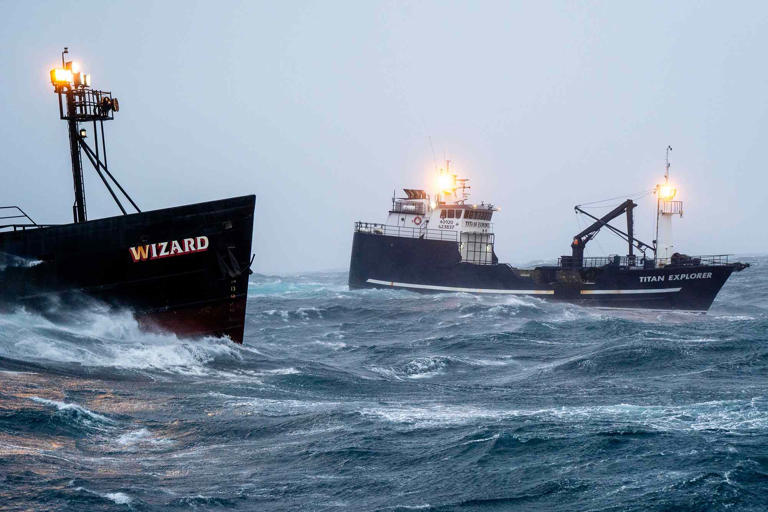
The Bering Sea wastes no time reminding the Deadliest Catch fleet why crab fishing remains one of the most dangerous jobs on television.
Before the crews can even focus on hauling crab, they are forced into a punishing fight against ice. Thick layers build across the vessels in freezing weather, adding dangerous weight and turning the deck into a slippery, unstable work zone. For deckhands, breaking ice is exhausting and risky. Hammers get heavier by the minute, hands begin to ache, and chunks of ice continue forming almost as quickly as they are removed.
On a rolling boat, the danger becomes even greater. Ice falls around the crew’s feet, the deck shifts without warning, and one slip could have serious consequences. For many fishermen, hauling gear is difficult, but breaking ice is often worse because it can last for hours and still leave the crew with more work immediately afterward.
Sea Star Survives a Flooding Emergency
The danger intensifies when the Sea Star returns to Dutch Harbor after a frightening flooding incident. The vessel had only recently left for the fishing grounds in Eastern Bristol Bay when the crew discovered water filling the lazarette.
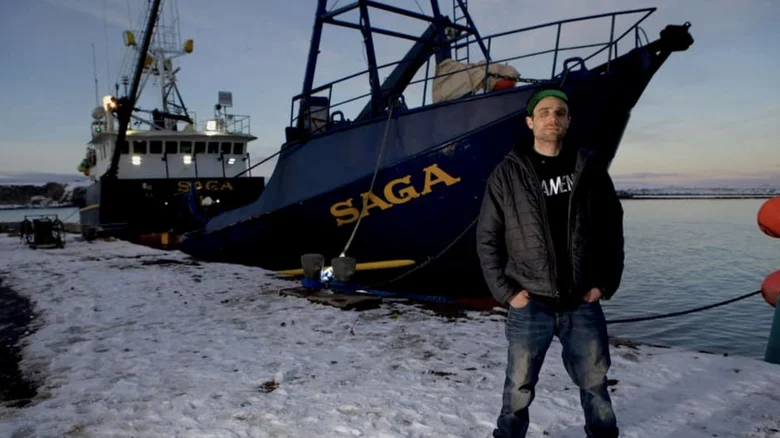
A warning light showed that something was wrong, but a safety alarm had failed to activate. By the time the crew investigated, several feet of water had entered the boat. The problem appeared to come from a damaged two-inch pipe, a small failure that created a major emergency.
The crew spent hours pumping water out and fighting to save the vessel. At one point, thousands of gallons had flooded the space, putting the boat and everyone on board at serious risk. Despite the danger, the crew managed to stabilize the situation and return to port for repairs.
Even after the frightening setback, the message from the crew was clear: they would fix what they could, adapt their plan, and return to fishing.
Mechanical Trouble Hits the Fleet
The Arctic Dawn also faces a major scare when the crew suddenly loses hydraulic pressure. Smoke begins to fill the area, raising immediate concern about fire — one of the worst fears on any fishing vessel far from shore.
Fortunately, there are no flames. The smoke comes from a burning main clutch, which the engineer quickly shuts down. Still, the boat is forced to stop fishing for several hours while the rest of the fleet keeps working. In a short crab season, every lost hour matters.
The trouble does not end there. A loose anchor creates another urgent problem, forcing the crew to secure it before it can damage the hull. In rough conditions, even one loose piece of heavy equipment can become a serious threat.
Meanwhile, the Erla N suffers engine trouble before a single crab reaches the deck. An oil leak is traced to a cracked oil cooler, forcing the crew to shut down the main engine. Without a replacement part at sea, the engineers must attempt a repair on board.
With the engine running at reduced capacity, the Erla N is left at a major disadvantage. The boat cannot move pots as needed, while other vessels may already be hauling crab.
A Brutal Start to the Season
Together, these incidents show how quickly a Bering Sea trip can turn from routine fishing into a fight against ice, flooding, smoke, machinery and time.
The crews are not only chasing crab. They are trying to keep their boats safe, their equipment working and their season alive in one of the harshest fishing environments in the world.
For the Deadliest Catch fleet, the season has barely begun. But already, the Bering Sea has delivered a clear warning: nothing will come easily.
