Parker Schnabel Hits 10,000-Ounce Gold Target After Final Push Through Breakdowns and Pressure

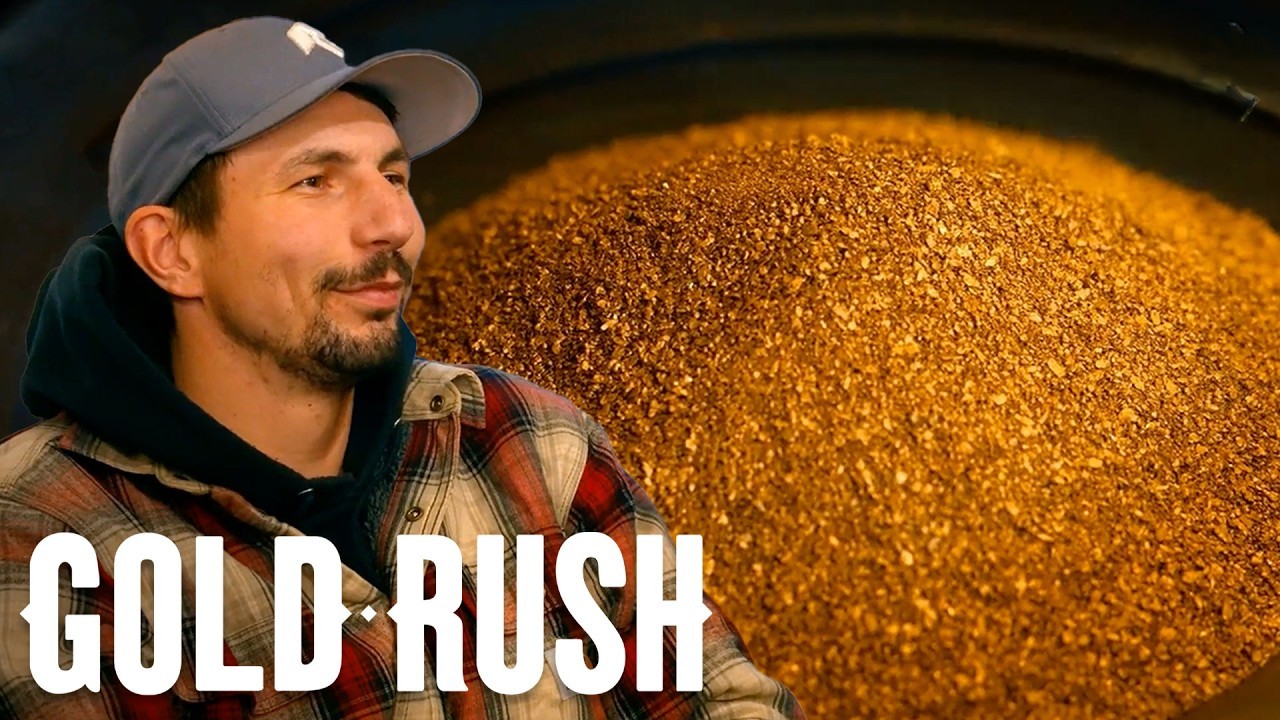
Parker Schnabel has reached one of the biggest milestones of his mining career after pushing his crew, wash plants and equipment to the limit in the final stretch of the Gold Rush season.
With winter closing in and only a narrow window left to mine, Parker entered the week needing just over 430 ounces to reach his 10,000-ounce target. It was an ambitious goal, especially after months of nonstop production across multiple cuts and claims. But after a season defined by long hours, heavy machinery and constant pressure, the crew finally delivered.
The breakthrough came after a tense final weigh-in, where three key wash plants helped push the season total beyond the long-awaited mark. Wash plant Bob added 127.35 ounces from the Bridge Cut, while Roxanne contributed 133.9 ounces from pit two at Parker’s Indian River claim. Then came the Golden Mile, where Goose and Big Red produced 258.15 ounces.
Together, the results gave Parker a weekly total of 520.4 ounces and lifted his season total to 10,089.85 ounces. For the first time, Parker had passed 10,000 ounces in a single season, with the gold valued at more than $38 million.
A Goal Years in the Making
For Parker, the 10,000-ounce mark represented more than a large gold total. It was a goal he had chased before and missed, making this achievement especially meaningful.
The season had already been one of the busiest of his life. At 31, Parker had spent six months running a large-scale operation around the clock, with crews working across Dominion, Indian River and other key ground. The pressure was intensified by his rivalry with Tony Beets, who remained close enough in the standings to keep every cleanup important.
Earlier in the week, Parker’s team had produced 627.25 ounces, worth around $2.3 million, bringing the season total to 9,569.45 ounces. That left the crew within striking distance, but not yet safe. One strong week could finish the job. One major breakdown could ruin the push.
As temperatures dropped, Parker knew the timing was critical. Winter was arriving, and every machine was nearing the point where wear and tear could become season-ending.
Roxanne Cracks Under Pressure
The most serious problem came at Roxanne, one of Parker’s newer wash plants. Although only two years old, the plant developed cracks in its structural cross tubes. If left unresolved, the damage could have spread and taken the plant out of service at the worst possible moment.
A full replacement could have caused two days of downtime, something Parker’s crew could not afford. Instead, the team chose a temporary repair, removing screens and welding the cracks well enough to keep the plant running until the season ended.
The job was difficult and risky. During the repair, a piece of molten metal entered Alex’s boot, leaving him with painful burns to his foot. After receiving treatment, he returned to work and finished the welding so Roxanne could restart.
His effort proved vital. With Roxanne back in operation, Parker still had a real chance to hit the target.
Big Red Faces a Risky Fix
The crew’s problems were not limited to Roxanne. Big Red also ran into trouble when its radial stacker stopped feeding properly. Mud and pay dirt were getting under the belt, causing the head drum to slip and stopping material from reaching the plant.
With no excavator available and no time for a full reset, Alex proposed a quick but risky solution. The crew would move the 120-foot radial stacker back by just a few inches, hoping to improve the material drop point and keep the belt clear.
The repair required raising part of the stacker and carefully shifting its position. If the move went wrong, the heavy conveyor could have become unstable. But the team managed to inch it back roughly three inches, enough to solve the problem and bring Big Red back into production.
It was another example of the improvisation required at the end of a long season, when equipment is worn down and every hour matters.
A Record Result for Parker’s Crew
By the time the final gold was poured, the pressure gave way to relief. The crew had kept the plants running through cracks, repairs, injury and mechanical problems. Their reward was Parker’s first 10,000-ounce season.
The result also came with a memorable final touch. While cleaning the Golden Goose tank, the crew found an exact one-ounce piece of gold, jokingly calling it the plant’s first golden egg.
For Parker, the achievement was both a personal milestone and a sign of how far his operation has grown. Running multiple wash plants at once requires enormous coordination, skilled operators and constant maintenance. The final total showed not only the richness of the ground but also the strength of the crew behind him.
Even after passing the target, Parker was not ready to stop. With a little time still left in the season, he made it clear he wanted to keep sluicing and make up for the previous year, when the same 10,000-ounce goal had slipped out of reach.
The milestone may now be secured, but Parker’s approach remains the same: keep the plants running, keep the gold coming, and use every possible day before winter fully takes over.