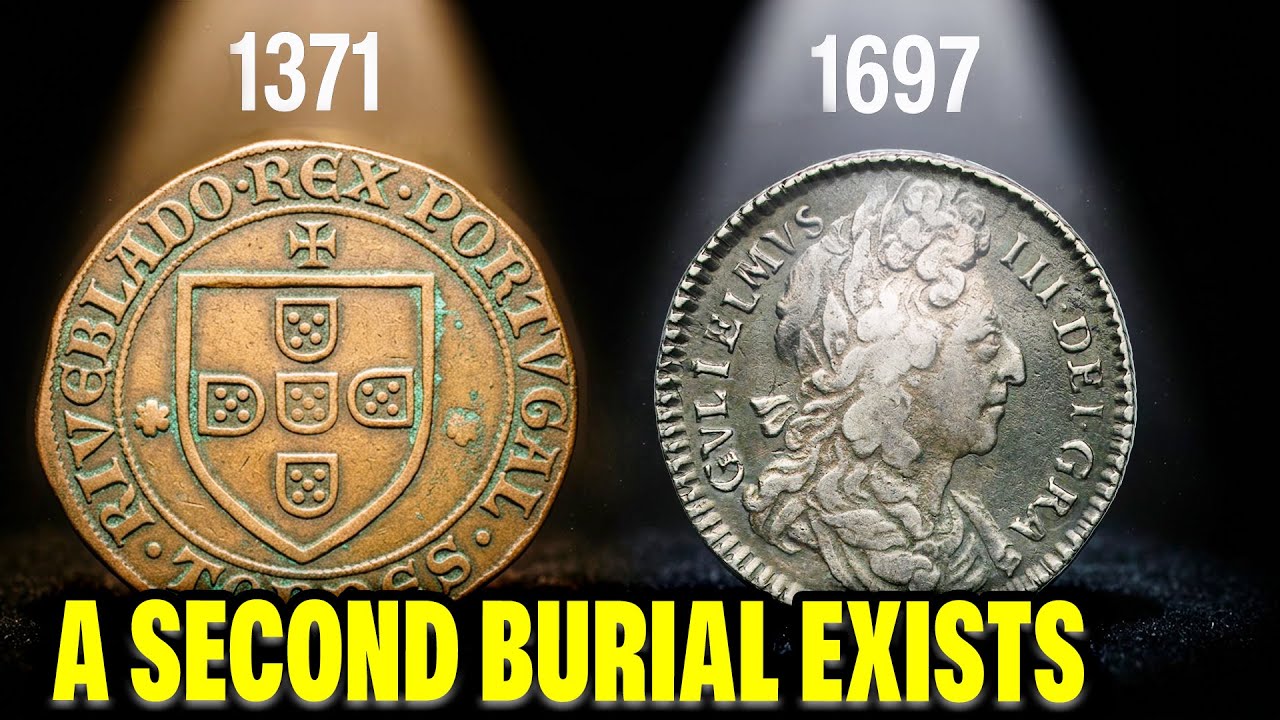
A groundbreaking new analysis of Oak Island’s archaeological record has intensified debate over one of the world’s most enduring treasure mysteries. According to laboratory findings and excavation data, the island may not contain a single buried fortune—but two separate and chronologically distinct phases of human activity, separated by more than two and a half centuries of silence.
The findings, drawn from multiple carbon dating results, material analysis, and archaeological interpretation, suggest the existence of what researchers now describe as two “clusters” of occupation: one medieval and one colonial.
Two distinct historical windows emerge
The first cluster, dated roughly between 1148 and 1400 AD, includes a wide range of artifacts recovered from different parts of the island. These include leather fragments, coconut fiber deposits, buried timber structures, a stone foundation aligned through archaeoastronomical analysis, a medieval-era coin, and stone shot consistent with European maritime warfare technology of the 14th and 15th centuries.
Individually, each artifact might be explained as an anomaly. Taken together, however, they form a consistent medieval timeline supported by multiple independent scientific methods. Researchers emphasize that these results come from unrelated disciplines—radiocarbon dating, numismatics, and astronomical reconstruction—yet all converge on the same historical period.
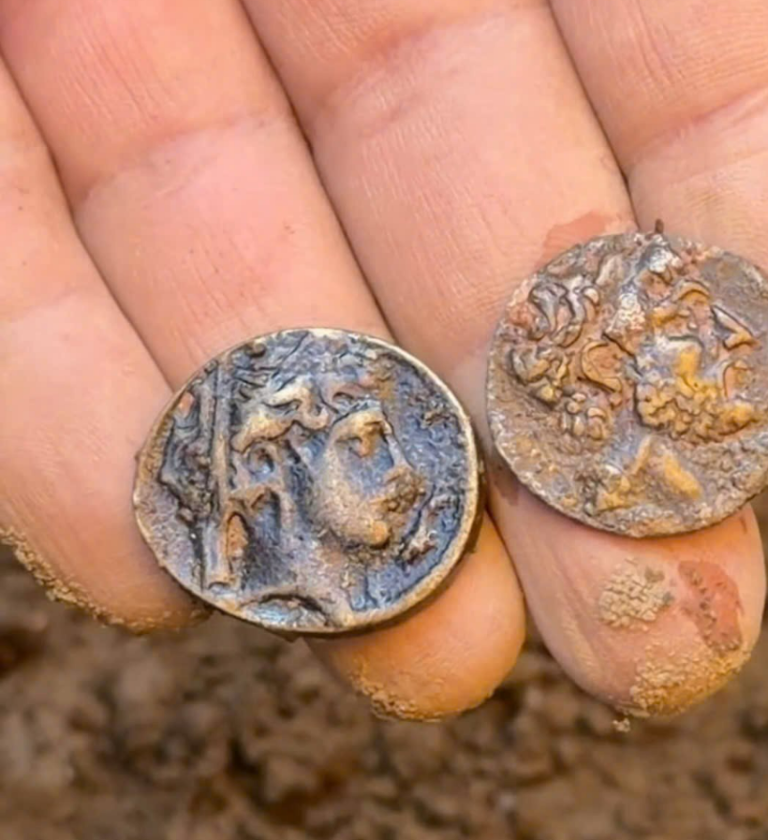
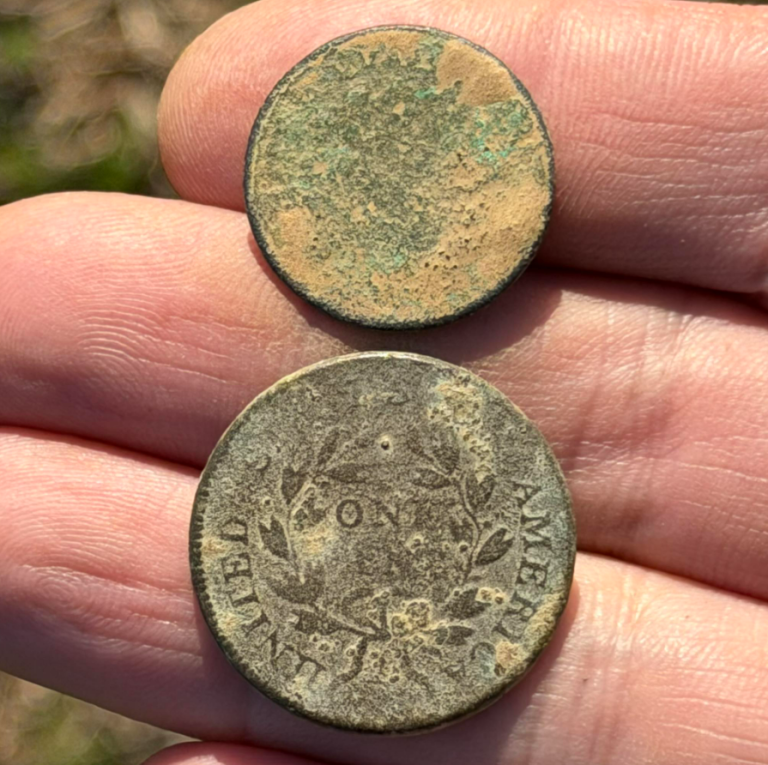
The second cluster appears between approximately 1655 and 1780 AD. This colonial-era layer is defined by deep timber structures in the Money Pit, tree-ring dated constructions at Smith’s Cove, human remains recovered from boreholes, and multiple coins from European and early American circulation.
Unlike the medieval layer, this later phase is tightly concentrated in both time and material evidence, suggesting a more organized and intensive phase of construction activity underground.
The silence that changed everything
Between these two periods lies a striking absence of datable material. Despite extensive excavation and laboratory testing, researchers have found no organic or structural evidence that can be confidently placed between approximately 1400 and 1655 AD.
This 250-year gap has become the most significant element of the study. In a site as heavily excavated and archaeologically sensitive as Oak Island, such a void is highly unusual. Continuous human activity typically leaves traces—repairs, discarded materials, or environmental disturbance. Yet here, the record shows nothing.
For many researchers, this absence is not a flaw in the data—it is the data.
Two possible interpretations emerge
The report outlines two primary interpretations of the findings. The first suggests a single, continuous sequence of activity spanning centuries. However, experts note that such a model would normally produce overlapping material evidence, which is absent in this case.
The second interpretation proposes two distinct and unrelated phases of human activity. Under this model, a medieval presence occupied the island first, leaving behind scattered artifacts and structural remnants. Centuries later, a separate colonial-era group returned and conducted deep excavation and construction without knowledge of earlier activity.
This interpretation is gaining traction because it more cleanly explains the sharp separation in the archaeological record and the absence of transitional materials.
Competing theories and unresolved questions
The findings have also reopened older historical theories, including suggestions that a damaged European vessel may have brought materials to the island during the 16th century—potentially occupying the very gap between the two clusters. While intriguing, no direct evidence has yet been recovered to confirm this hypothesis.
What remains clear is that both clusters independently show strong internal consistency. The medieval artifacts align closely in date range despite originating from different scientific methods, while the colonial layer is supported by multiple overlapping forms of dating, including dendrochronology and coin evidence.
Researchers caution that neither cluster alone confirms the existence of treasure. However, the structured nature of both phases—combined with repeated subsurface anomalies—continues to fuel speculation that something significant may still lie undiscovered beneath the island.
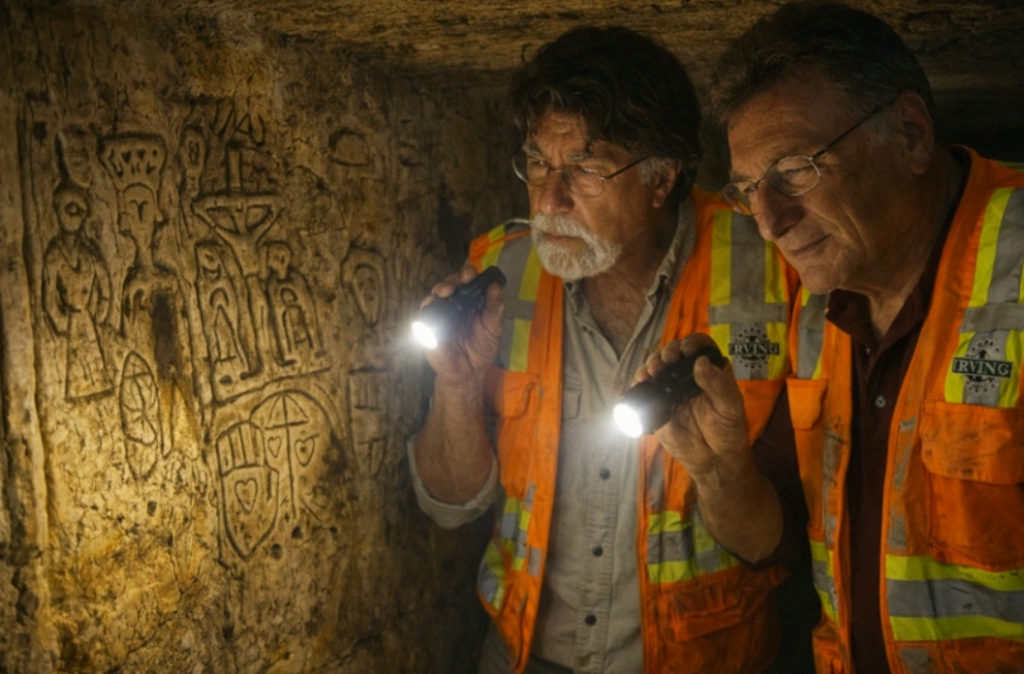
A mystery redefined, not solved
For over 200 years, Oak Island has been defined by speculation, failed excavations, and elusive clues. The latest findings do not resolve the mystery—but they fundamentally reshape it.
Instead of a single hidden treasure, the evidence now points toward a more complex history involving multiple phases of human activity, separated by centuries and potentially unrelated in purpose.
Whether this represents two separate treasure deposits, two distinct expeditions, or something entirely different remains unknown. But what is increasingly difficult to dismiss is the structure of the evidence itself.
As one researcher noted, the most important discovery may not be what lies beneath Oak Island—but the realization that its history is not one story, but two.
