Bering Sea Fleet Battles Rising Storm as Crab Haul Turns Into High-Stakes Race Against Time

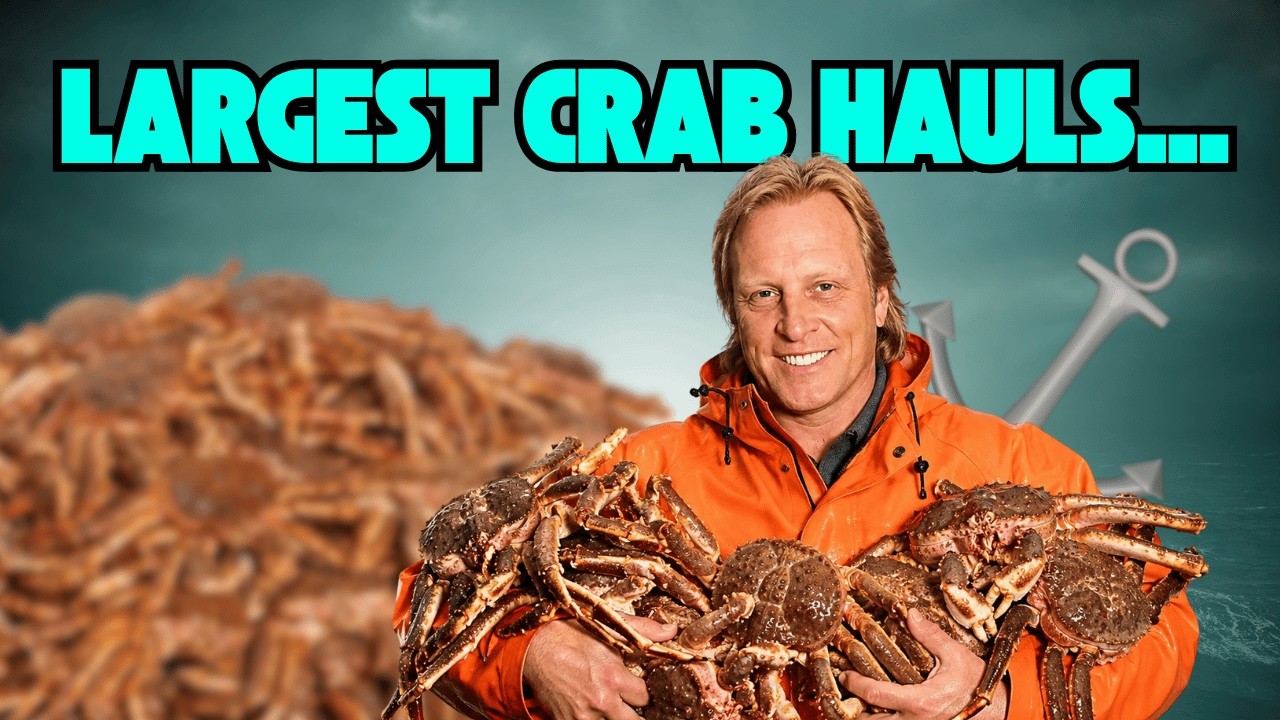
Out in the unforgiving waters of the Bering Sea, multiple fishing vessels are pushing through freezing conditions, building seas, and mounting pressure as the crab season enters its most critical phase. With storms intensifying and ice forming across the decks, crews aboard the Erla N, Arctic Dawn, Sea Star, and Northwestern are locked in a relentless race to secure their final catches before time runs out.
On the Erla N, Captain Bing Hinkle’s strategy to chase opilio crab further north appears to be paying off. The crew is seeing strong averages of 250 to 300 crab per string, a promising sign after earlier uncertainty. But the success comes at a cost. The vessel is now positioned directly in the path of an approaching storm system, where freezing spray, rising seas, and accumulating ice are threatening both stability and safety on board.
“We’re starting to get a lot of ice on the wheelhouse and shelter walls,” one crew member reported. “That affects stability. Boats have been known to capsize in conditions like this.” Despite the danger, optimism remains high as the improved catch numbers suggest the gamble northward may have been the right call.

Further south, the Arctic Dawn is working against the clock, hauling pots at a deeper section of the fishing grounds. After a difficult stretch earlier in the season, the crew is finally finding consistent crab, with hopes of landing several thousand pounds before the official offload deadline. For many on board, the return of productive strings represents a long-awaited breakthrough after weeks of uncertainty.
“This is what we needed,” one crew member said. “It’s been a long grind, but now we’re finally turning it around.”
Meanwhile, the Sea Star has also seen its fortunes shift after days of poor results. A key string delivered unexpectedly strong numbers, prompting excitement across the deck as the crew realized they may have finally located a productive crab zone. With each pot potentially worth significant earnings, the pressure to keep the line moving is intense.
Farther along the fleet, the Northwestern continues its tradition of high-volume, high-efficiency fishing. With large male king crabs filling the tanks, the operation is now approaching what could be a half-million-dollar haul. Crew members are carefully sorting catch, separating marketable crabs from those returned to the sea, all while racing against the season’s final hours.
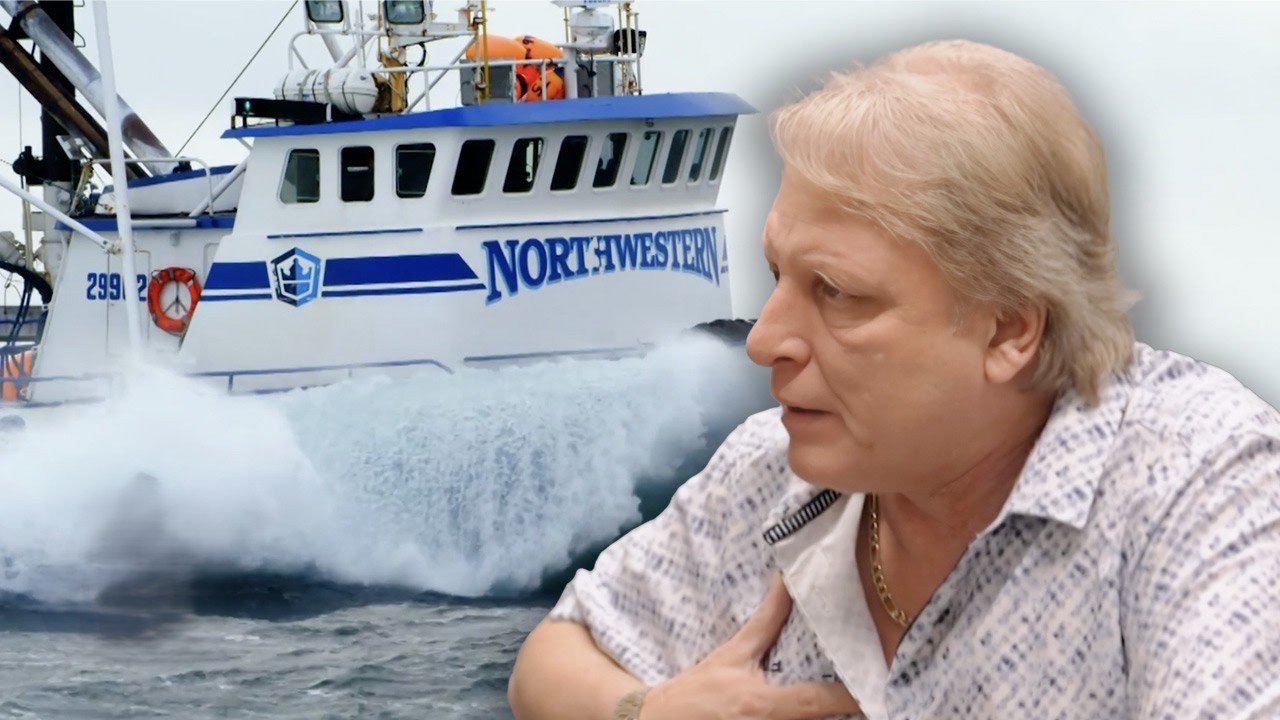
At peak efficiency, each keeper crab represents immediate profit, and every completed string brings the vessel closer to a successful season end. As one deckhand put it, “If it doesn’t make dollars, it doesn’t make sense.” That mentality has defined the final push across the fleet.
As the season winds down, exhaustion is evident across all vessels. Crews are pushing through sleepless shifts, freezing temperatures, and constant physical strain. Yet for many, the sense of accomplishment is beginning to take over. After weeks of hardship, broken equipment, and dangerous seas, some boats are finally closing in on profitable outcomes.
On the Northwestern, a final string sparks celebration as the crew realizes they’ve hit a productive zone just in time. Cheers break out on deck as the last major haul of the season comes aboard, marking the end of another grueling campaign in the Bering Sea.
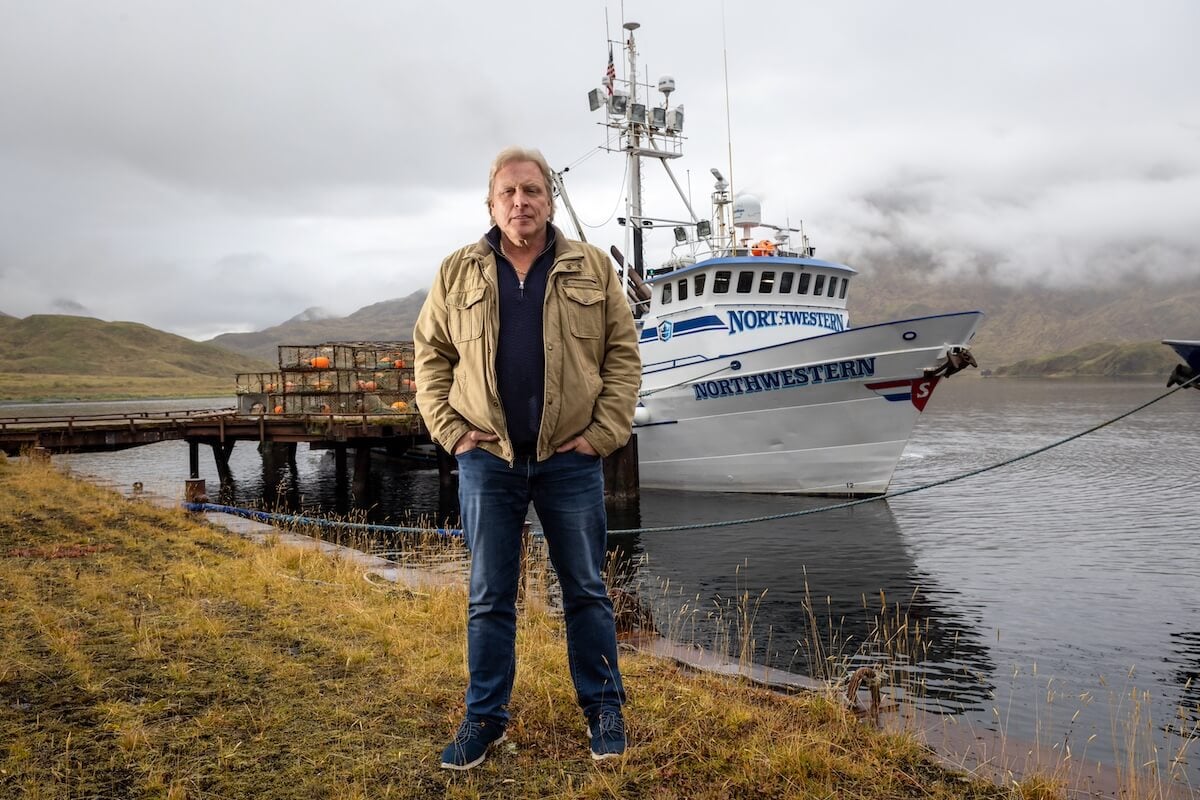
For many fishermen, the conclusion brings relief more than anything else. “I didn’t know if I was going to make it,” one crew member admitted, reflecting on the intensity of the season. Others described the experience as transformative, noting how new deckhands have now earned their place as full members of the crew after surviving the harshest conditions.
As the final pots are hauled and vessels turn toward port, the fleet leaves behind another season defined by risk, resilience, and reward. In the Bering Sea, success is never guaranteed—but for those who endure, even a single strong string can change everything.