Rick Ness Struggles Through Water License Crisis Before Turning Season Around in Dramatic Gold Rush Comeback

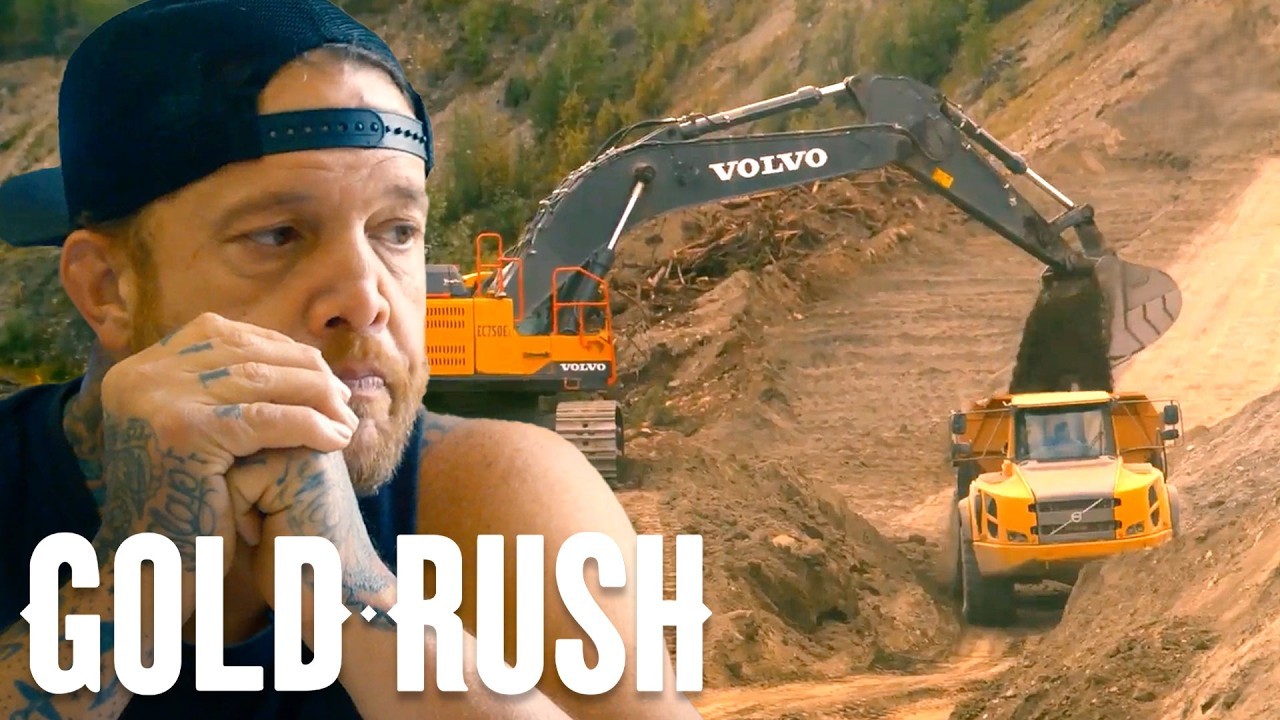
A turbulent mining season in the Yukon has taken a dramatic turn as Rick Ness and his crew battled equipment failures, permit uncertainty, and relentless pressure to meet production targets—before finally closing in on a multimillion-dollar gold haul that secured the operation’s survival.
At the heart of the season was Duncan Creek, where Rick Ness found himself sitting on what appeared to be a rich gold pay layer—estimated at around 400 ounces worth more than $1 million—yet unable to mine due to unresolved water license issues. The frustration was clear: the gold was visible, the plant was ready, but legal restrictions kept the crew idle while valuable ground sat untouched.
“It blows my mind,” one crew member noted, as the operation stood frozen despite strong geological indicators of profit. For Rick, the situation created a rare and difficult paradox in mining: knowing exactly where the gold was, but being unable to extract it.
Pressure mounts as crew is cut and production stalls
With permits still unresolved, Rick was forced to scale down operations, sending only half his crew back to work while uncertainty hung over Duncan Creek. The operation’s future hinged on whether approvals would come through in time to salvage the season.
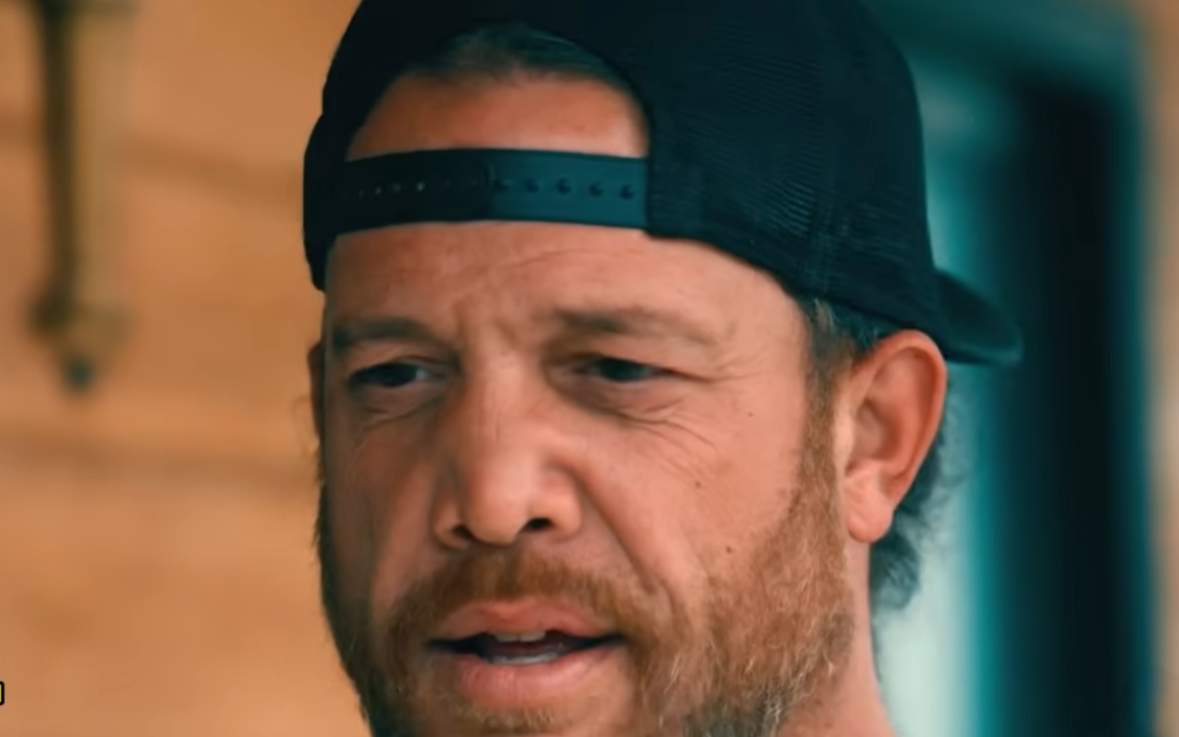
Even as frustration mounted, Rick refused to shut down entirely. Instead, he emphasized adaptability, stating that if Duncan Creek remained inaccessible, the team would need to “find another spot” to stay alive financially. Rising gold prices offered some hope, but also increased expectations, with pressure to hit an ambitious seasonal target of 1,800 ounces.
Equipment breakdowns and a race against time
Compounding the challenge were persistent mechanical issues across multiple sites. At one point, a critical conveyor system failure brought operations to a halt after mud buildup caused major blockages in the feeder system. The disruption forced emergency cleaning and operational adjustments, slowing production at a crucial moment in the season.
Elsewhere, trucking operations suffered setbacks of their own. A rock truck tire puncture—caused by steel debris left in a loading path—brought hauling to a stop and erased hours of progress. The incident sparked frustration across the crew, highlighting the fragile balance between efficiency and downtime in large-scale mining operations.
Despite these setbacks, Rick’s team continued pushing forward, shifting thousands of tons of material per week in an effort to reach pay dirt before winter conditions and permit limitations could shut them down entirely.
Internal pressure and crew tensions rise
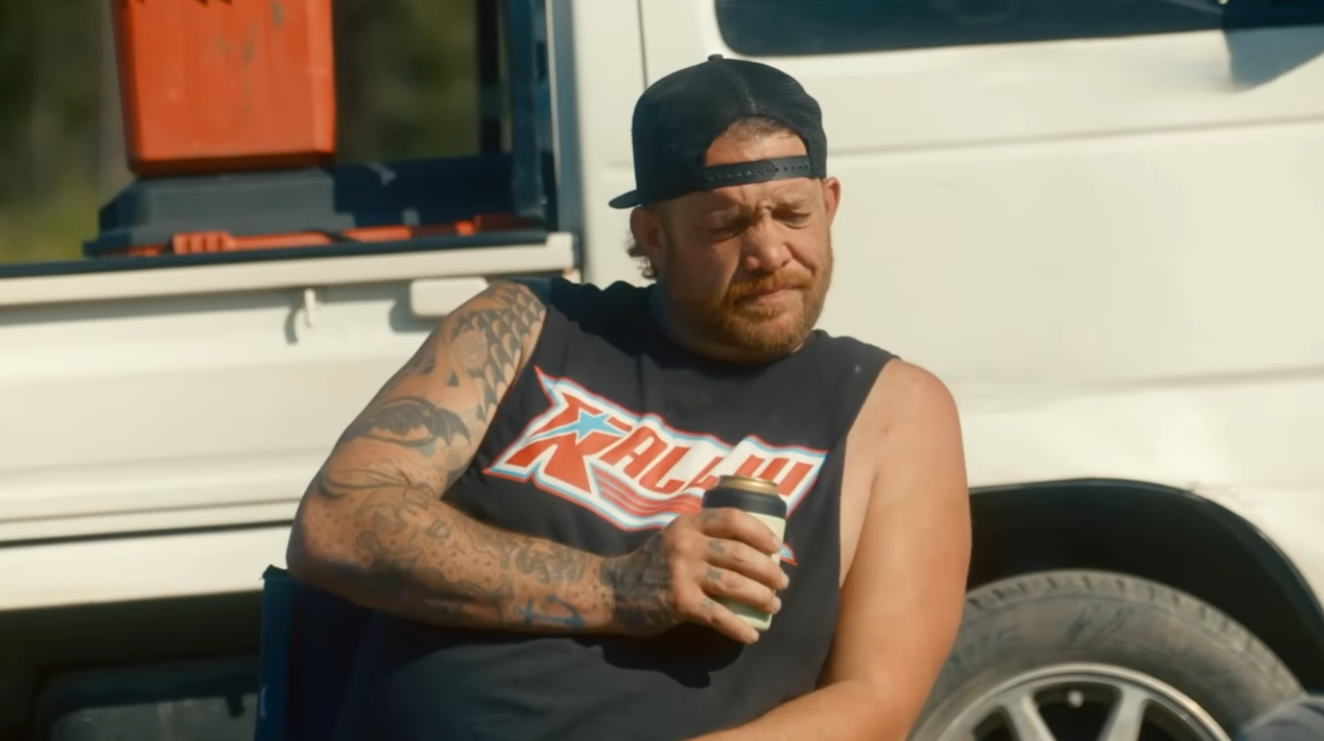
As the season progressed, internal tensions within the crew began to surface. One operator was dismissed after repeated performance issues and attitude concerns, underscoring the increasingly strict standards required to meet production goals.
Rick’s mine manager emphasized that the operation could no longer afford inefficiency. “We are near the end of the season and we don’t have much time to go sideways,” she explained, reinforcing the high-stakes nature of the final push.
At the same time, Rick faced difficult conversations with key team members about future commitments, financial stability, and the emotional toll of extended time away from family. One senior crew member admitted privately that the uncertainty of bonuses and seasonal outcomes weighed heavily on personal decisions about staying in the Yukon long-term.
A turning point: permits finally secured
Just as the season appeared to be slipping into uncertainty, a breakthrough arrived. Rick received confirmation of renewed access to key ground at Lower Duncan, along with an extension allowing operations to resume under updated conditions. The news immediately shifted the atmosphere on site from concern to cautious optimism.
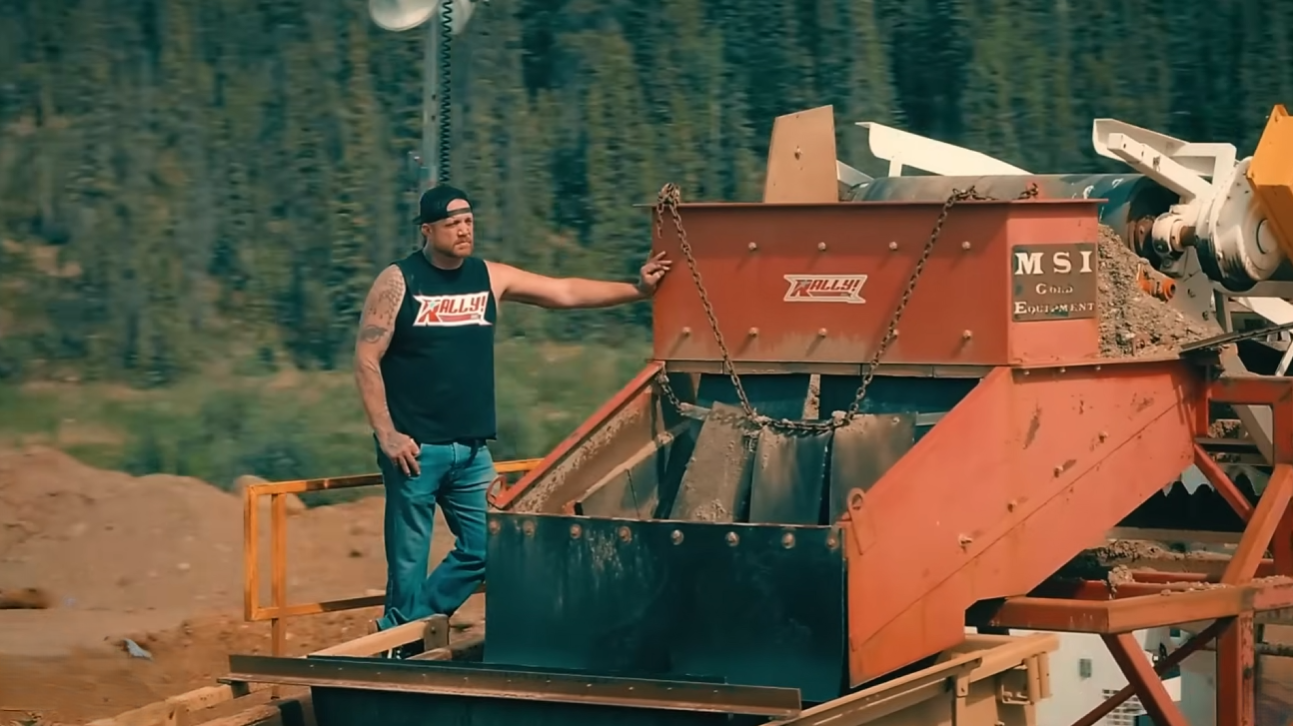
With permits reinstated, the crew prepared to return to previously inaccessible pay piles—some of which were estimated to contain over $1.4 million in gold. The timing was critical: without the extension, the season’s investment risked becoming a costly setback.
Final push delivers major gold cleanup
The return to production proved decisive. In the final stretch, Rick’s operation shifted into full-scale mining mode, processing vast amounts of material while racing against time to meet seasonal goals.
The result was a strong finish: a final cleanup totaling approximately 1,811.56 ounces of gold, worth over $7.2 million. The haul secured the crew’s season target and delivered a much-needed financial outcome after weeks of uncertainty and shutdown risk.
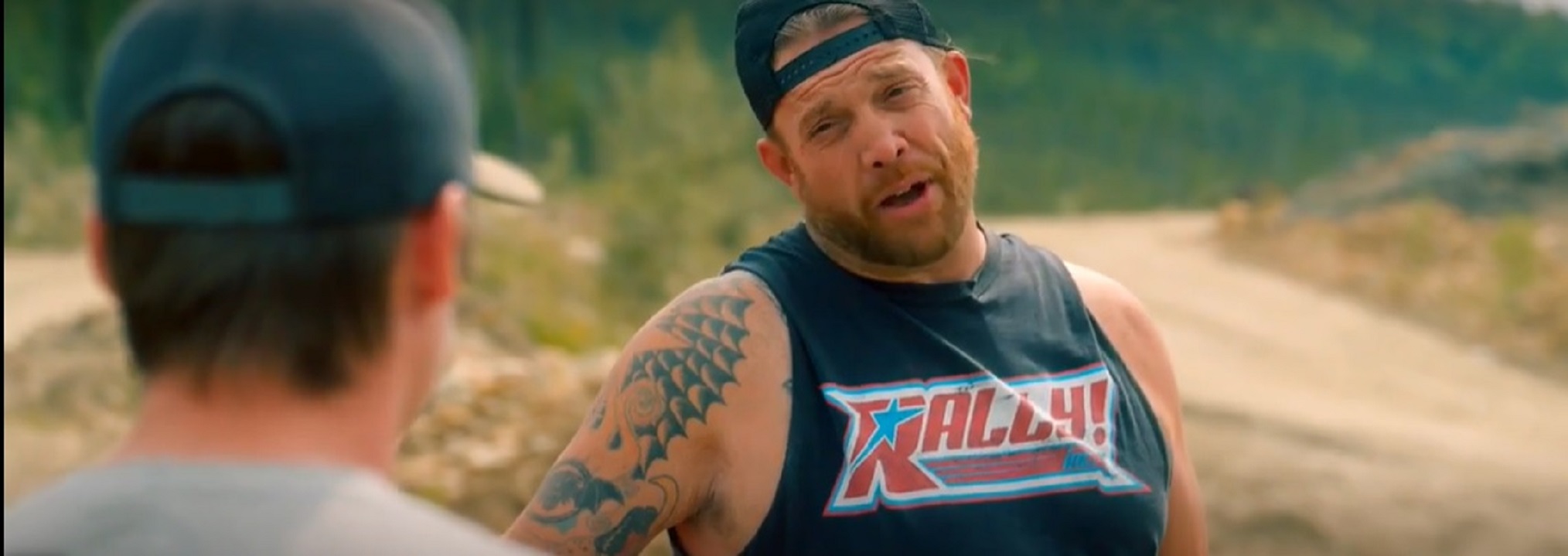
In the gold room, celebrations followed as crew members acknowledged both the difficulty of the season and the success of the final push. Bonuses were distributed, and the operation closed on a high note, despite the turbulence that had defined much of the year.
A season defined by pressure and resilience
While the final numbers were strong, the season itself will be remembered for instability, logistical challenges, and constant adaptation. From water license uncertainty to equipment failures and workforce strain, Rick Ness’s operation exemplified the volatility of modern placer mining in the Yukon.
Yet in the end, persistence paid off. As one crew member put it, “We got there—but it wasn’t easy.”
And in the unforgiving world of gold mining, it rarely is.