Jeremy Clarkson hailed as one of Britain’s greats as fans say his legacy “should last forever”

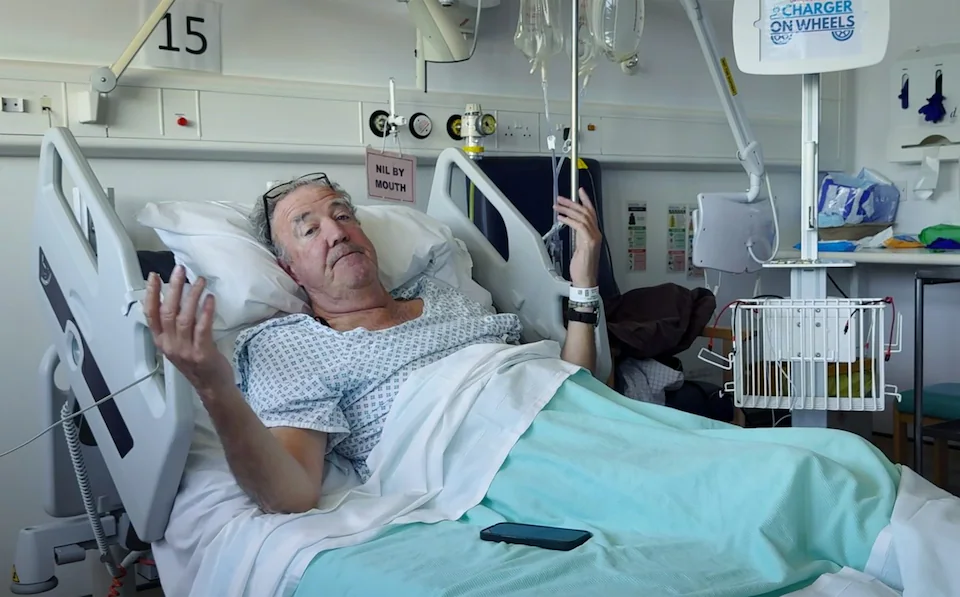
For decades, the larger-than-life presenter has faced every crisis with a grin. May he continue to prove indestructible
Britons have a huge soft spot for bons vivants and iconoclasts. If we’re lucky, the two attributes merge in one glorious, larger-than-life personality.
They certainly did when God created Jeremy Clarkson – a one-man handbrake turn, who feels like everyone’s favourite wayward uncle. The sort of chap who will heckle your wedding speech, but in a good way, making everyone howl with laughter. He’s become such a mainstay of our TV schedules (the patron saint of both petrolheads and farmers) that I wasn’t surprised to see him appearing in an advert for his Cotswold lager, Hawkstone, just as England prepared to kick off against Croatia on Wednesday night. The man is as emblematic of our shires as an oak.
So when I heard that Clarkson had been treated for “aggressive” prostate cancer – tidings that came via the final episodes of Clarkson’s Farm, filmed in the second half of 2025 – the news felt strangely personal. I imagine countless others in the UK felt much the same way. We can cope with the TV presenter being up to his neck in manure, sheep dip, broken tractors and fertiliser bills, but cancer feels like an insult too far.
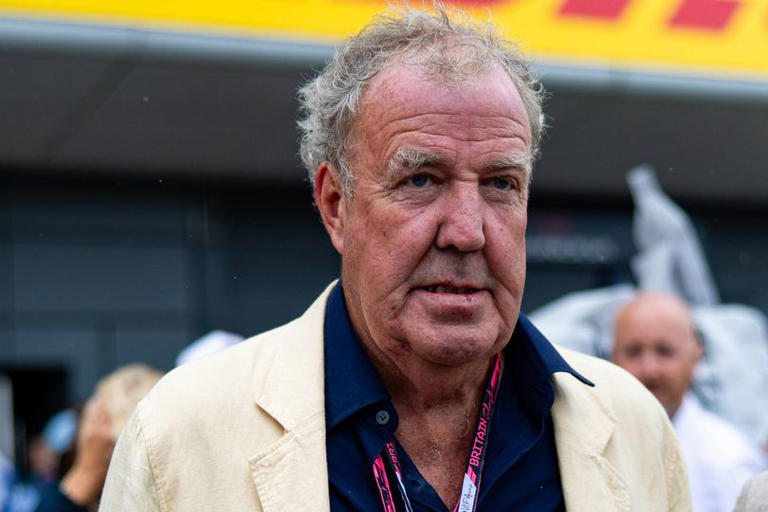
Especially as the star had only recently recovered from heart surgery that saw him having two stents placed in his arteries, after feeling breathless and “clammy” in 2024. He had slimmed down, was seen eating salad and continued to charge around his farm in a hands-on fashion.
No one was prepared for the presenter to say of his ongoing treatment: “If this is all successful, I’ll see you for season six – and if it isn’t, I won’t.” It felt deeply surreal, as if bouncy Tigger had just told Christopher Robin, Winnie-the-Pooh and Eeyore that he might not be able to play Poohsticks again.
Clarkson has long been associated with key symbols of British vitality, such as the Spitfire and the Aston Martin DB5. He described the latter as “like everything mankind knows about excitement and machinery and technology has finally come together in an orgasm of absolute, thrilling and total harmony”.
When the BBC aired its 2002 series, Great Britons, it was Clarkson who championed “the mad, the outrageous, the brilliant Isambard Kingdom Brunel” as the man who “put beauty into the beast of the Industrial Revolution”. The baroque gusto of his praise had a life force of its own, and by the time his programme had been screened, Brunel had shot to the top of the poll (coming second to Churchill in the final count).
Key to Clarkson’s appeal is the fact that he has always stood for unrepentant pleasure in what are traditionally seen as male pursuits: fast cars, fighter planes, anything related to the Second World War, epic pranks and general derring-do. Long before the lads’ mags that emerged in the second half of the 1990s, the presenter had perfected a cocktail of blokey self-indulgence that was the televisual equivalent of a leather-panelled man cave that belched cigar smoke.
The interesting thing was that many women – including me – embraced the formula. It felt subversive and honest in a world that increasingly referenced a phenomenon known as “the New Man” – a progressive paragon who rejected sexism, changed nappies, washed dishes and rushed around the house in a pinny. What women quickly noted about these supposed domestic gods was that the performance was often used as a ruse to lower women’s defences and coax them into bed – and if not, the New Man often came across as an emasculated beta male (just think of Motherland’s put-upon house husband, Kevin).
I started watching Top Gear in the 1990s, after developing a sudden passion for Formula 1 and Damon Hill that saw me also reading Autosport and visiting Silverstone. From there, it was just a short leap to Clarkson and his gloriously accessible brand of engine speak. The BBC realised they had a superstar on their books and revamped the show in 2002 to a studio-based format, allowing for more automobile-based banter, as well as high-octane stunts across the globe.
The comedic chemistry of Clarkson, James May and Richard Hammond mirrored Three Men in a Boat, but with The Three Musketeers levels of thrill and spills. Everyone will have their favourite escapade – for me, it was probably the rocket-fuelled Mini that was launched off a Norwegian ski jump. The level of ingenuity involved would surely have delighted the presenter’s hero, Brunel.
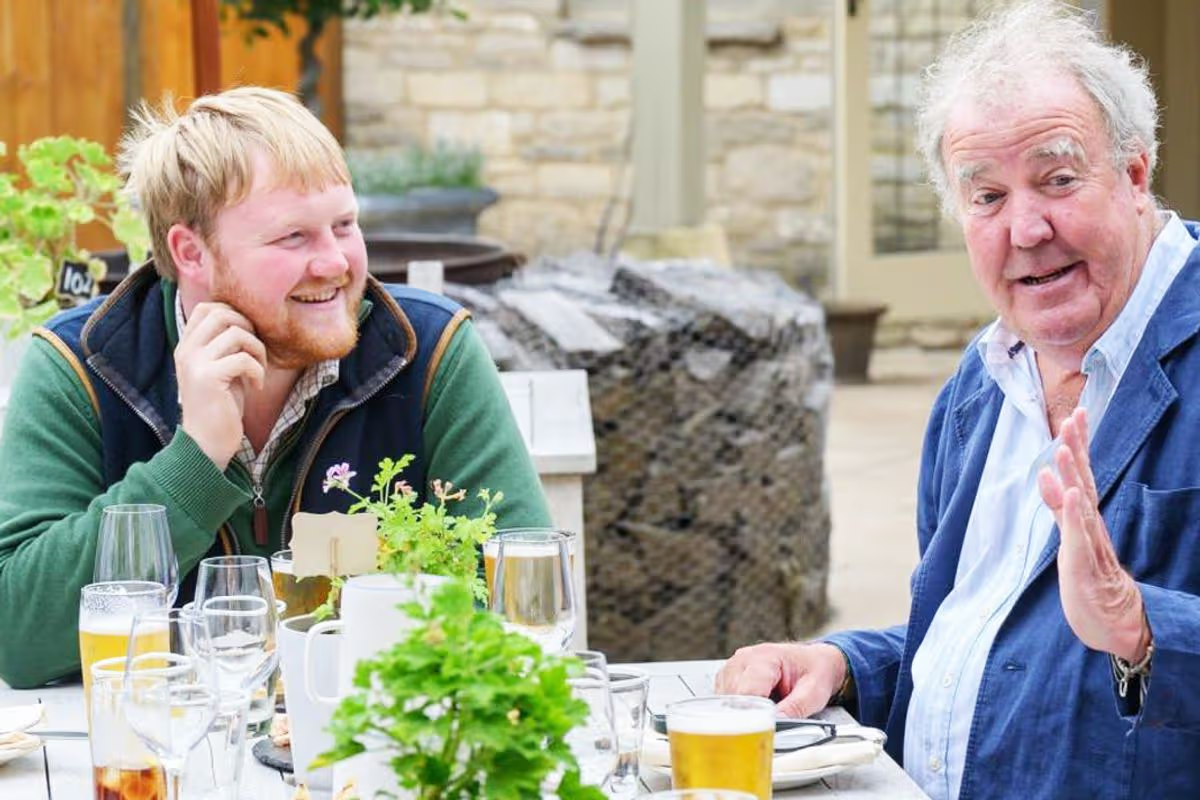
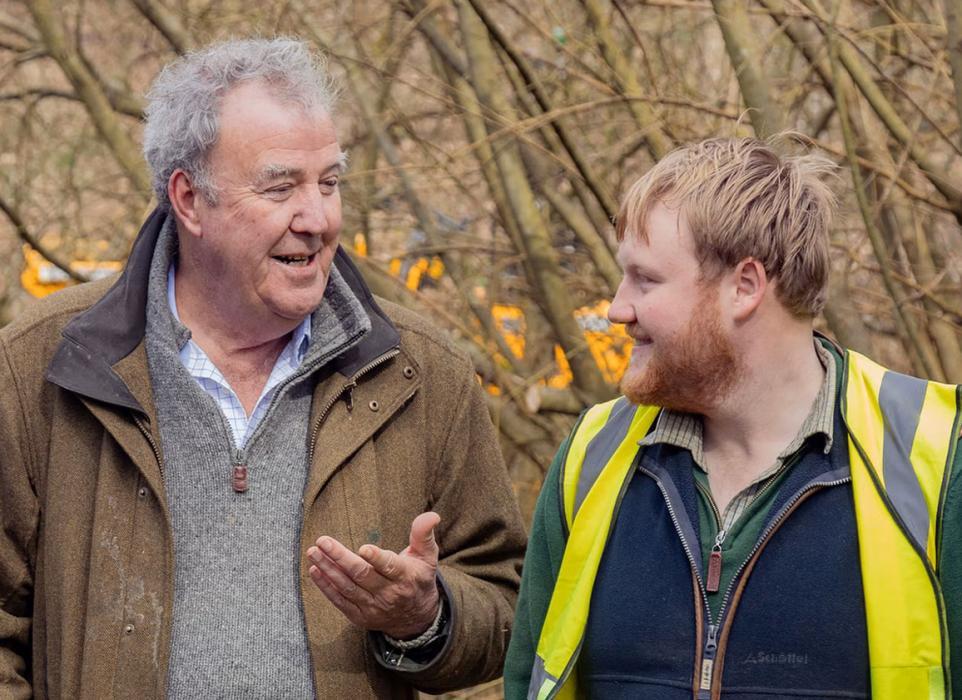
Clarkson’s Farm is a rather less turbo-charged affair, but his tussles with the local council over planning permission for his farm enterprises, as well as the revelation that his basic running costs (seed, fertiliser, slug pellets, diesel) had spiralled from around £40,000 to more than £108,000, reflect the tribulations most of us have on a far smaller scale – even if we aren’t also battling spoilt crops and dead piglets. Most of all, Clarkson Mark II has made us appreciate the very real hardships our farmers face.
In short, Clarkson is the TV gift who keeps on giving and, in doing so, gives hope to all the other mavericks who didn’t get a clutch of A* grades, or a stellar degree from a top university. When the BBC didn’t renew his contract, he went on to re-establish his car brand on Prime Video, and then forged an even bigger empire with Diddly Squat Farm and its offshoots. Let us hope and pray this Great Briton lives forever.