DEADLIEST CATCH PAY REVEALED: INSIDE THE HIGH-RISK, HIGH-VARIATION INCOME OF CRAB FISHERMEN


The financial reality of crab fishing on Deadliest Catch continues to draw attention, as cast members have openly discussed the unpredictable earnings tied to one of the world’s most dangerous occupations. While the work is often portrayed through the lens of extreme weather, mechanical risk, and physical endurance, the income structure behind it is equally volatile and heavily dependent on seasonal performance.
Unlike traditional employment models, most crab fishermen do not receive fixed salaries. Instead, compensation is tied directly to catch volume and the value of delivered crab, meaning earnings fluctuate dramatically from season to season and even from trip to trip. As veteran fisherman Kenny Ripka previously explained, “We don’t get paid a wage or a salary. We get paid on what we catch and what we deliver.”
This performance-based structure creates a financial environment where outcomes can vary widely depending on weather conditions, quotas, and fishery availability. In strong seasons, captains can see substantial returns, while poor seasons—or regulatory shutdowns—can leave entire crews with minimal income.
CAPTAIN EARNINGS VS DECKHAND INCOME
According to accounts shared by crew members over the years, captains generally earn significantly more than deckhands due to their ownership stakes in vessels, operational responsibilities, and profit-sharing arrangements.
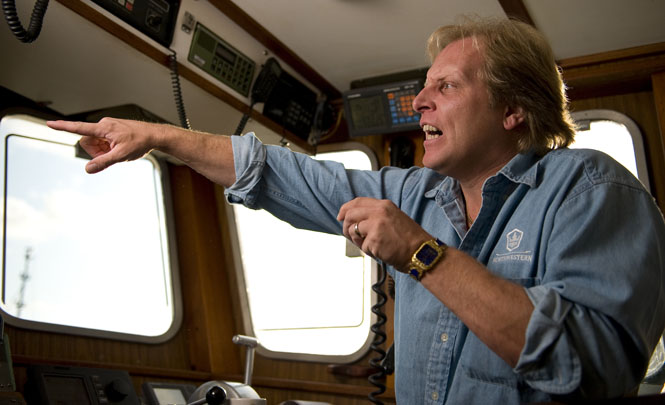
Kenny Ripka noted that in strong years, captains may earn “upwards of $150,000 to $170,000 annually,” though this figure is heavily dependent on the success of the season. However, he emphasized that these earnings are far from guaranteed, as the industry is shaped by unpredictable environmental and regulatory factors.
Deckhands, on the other hand, typically operate on shorter seasonal contracts. Reports suggest they can earn anywhere from $15,000 to $50,000 for a few weeks of intensive work, depending on catch success and vessel performance. Gary Ripka has previously indicated that some deckhands earned around $30,000 in a five to six week fishing period, highlighting how condensed and intense the earning window can be.
EXTREME SEASONAL OUTLIERS AND HIGH-END PAYOUTS
In rare cases, earnings can spike dramatically during highly productive seasons. Jake Anderson has stated in interviews that he once “grossed $2.5 million in 11 days” during an exceptionally strong run, illustrating the extreme volatility that defines the industry’s upper financial range.
Similarly, Josh Harris has commented that captains operating under optimal conditions can potentially earn millions in a short timeframe when catch volume and market prices align favorably. However, industry observers stress that such outcomes are highly unusual and not representative of typical seasons.

In addition to fishing revenue, Deadliest Catch cast members also receive compensation for their participation in the television production itself. Reports suggest captains may earn between $25,000 and $50,000 per episode, depending on their role and screen presence. This secondary income stream provides additional financial stability, but remains separate from fishing profits.
A BUSINESS BUILT ON RISK AND UNCERTAINTY
Despite the potential for strong earnings, the financial reality of crab fishing is defined by instability. Unlike most industries, there is no guaranteed annual income, no long-term employment security, and no retirement structure tied to the job.
Veteran captain Sig Hansen has previously highlighted the uncertainty of the profession, noting that entire seasons can be canceled or heavily restricted. “We’ve had king crab season shut down for three, sometimes four years in a row,” he explained, underscoring how regulatory decisions can erase income opportunities entirely.
This unpredictability means that even experienced captains must constantly adapt to shifting conditions, balancing operational risk with financial survival. A strong season can be highly profitable, but a weak or closed season can leave crews without meaningful earnings after months of dangerous work.
LIFE AT SEA: EARNINGS MATCHED BY RISK
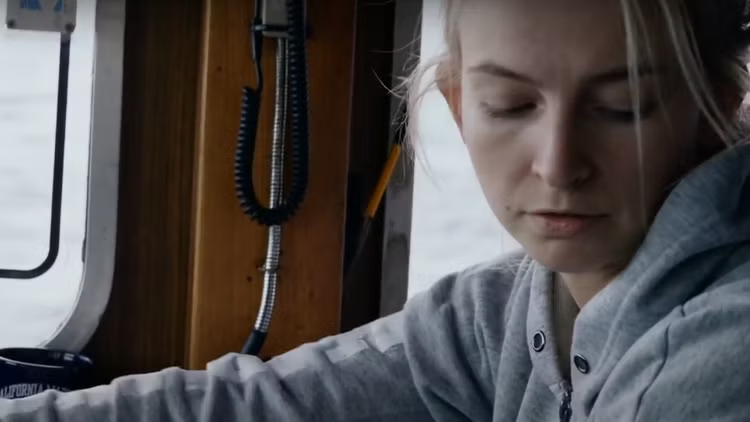
The high financial stakes of crab fishing are matched by equally high physical danger. The Bering Sea is widely regarded as one of the most hazardous commercial fishing environments in the world, with freezing temperatures, violent storms, heavy seas, and constant mechanical strain on vessels.
Several Deadliest Catch crew members have suffered injuries or long-term health issues as a result of working conditions at sea, reinforcing the reality that earnings come at a significant personal cost. Long hours, sleep deprivation, and exposure to extreme weather are routine aspects of the job.
NO GUARANTEE OF TOMORROW IN THE FISHERY
Perhaps the most defining aspect of the industry is its lack of predictability. As Sig Hansen has noted, fishermen often enter each season without certainty about whether they will even be allowed to fish, let alone earn a stable income.

With quotas shifting, environmental conditions changing, and regulatory oversight increasing, each season represents a financial gamble driven by natural forces beyond human control.
CONCLUSION
While Deadliest Catch occasionally highlights extraordinary earnings that reach into the millions, the broader reality is far more complex. Most fishermen operate within a narrow window of opportunity each year, balancing short bursts of intense labor against long periods of uncertainty.
For captains and deckhands alike, success depends not only on skill and endurance, but also timing, weather, and luck—making crab fishing one of the most unpredictable professions in the world, both physically and financially.