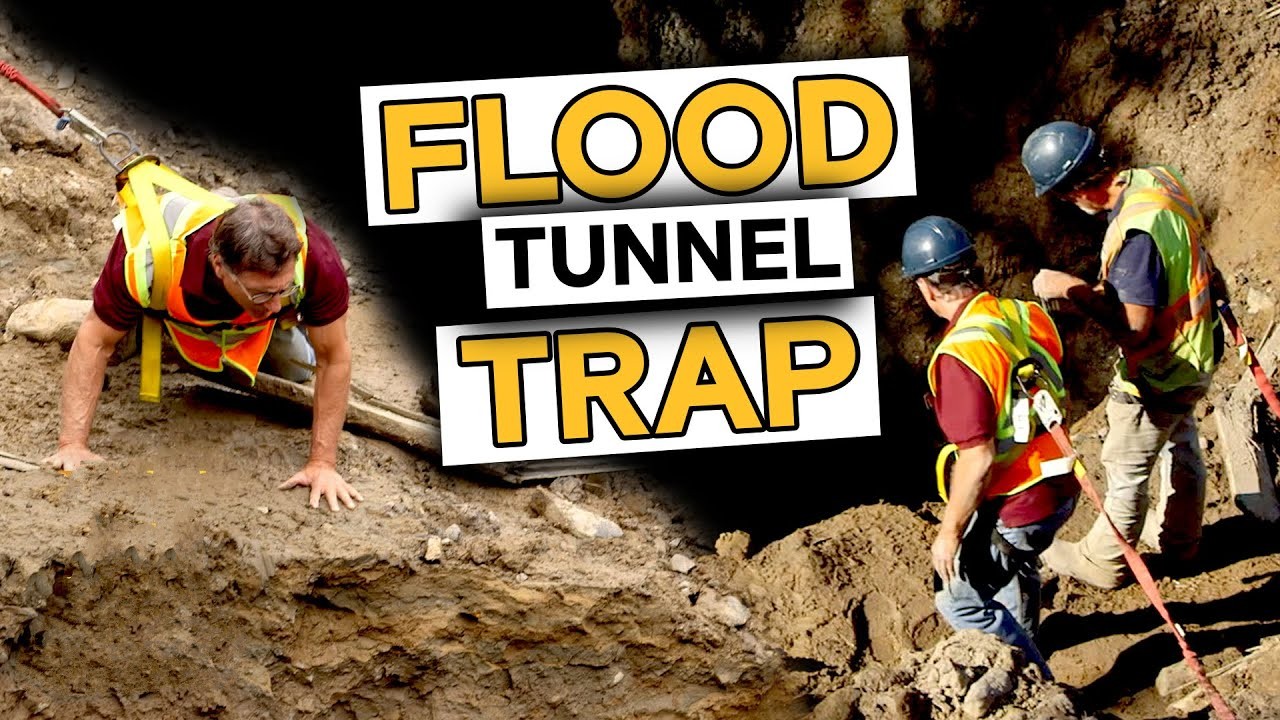
The relentless search for Oak Island’s fabled treasure may have taken a massive leap forward this week as the Lagina brothers and their team uncovered what could be a section of the legendary flood tunnel system—long believed to protect the mysterious Money Pit.
While conducting excavations near Smith’s Cove, the team discovered a structure buried deep underground that appears to be a tunnel—braced with timber and filled with rock. The structure lies approximately 30 feet below the surface and shows signs of deliberate construction.
“It looks like a tunnel to me,” said Marty Lagina during a review of footage captured via an excavator-mounted camera. “It goes in there. You follow wood the whole way down.”
The tunnel discovery coincided with something even more compelling: large clumps of coconut fiber, a material with no natural origin anywhere near Nova Scotia.
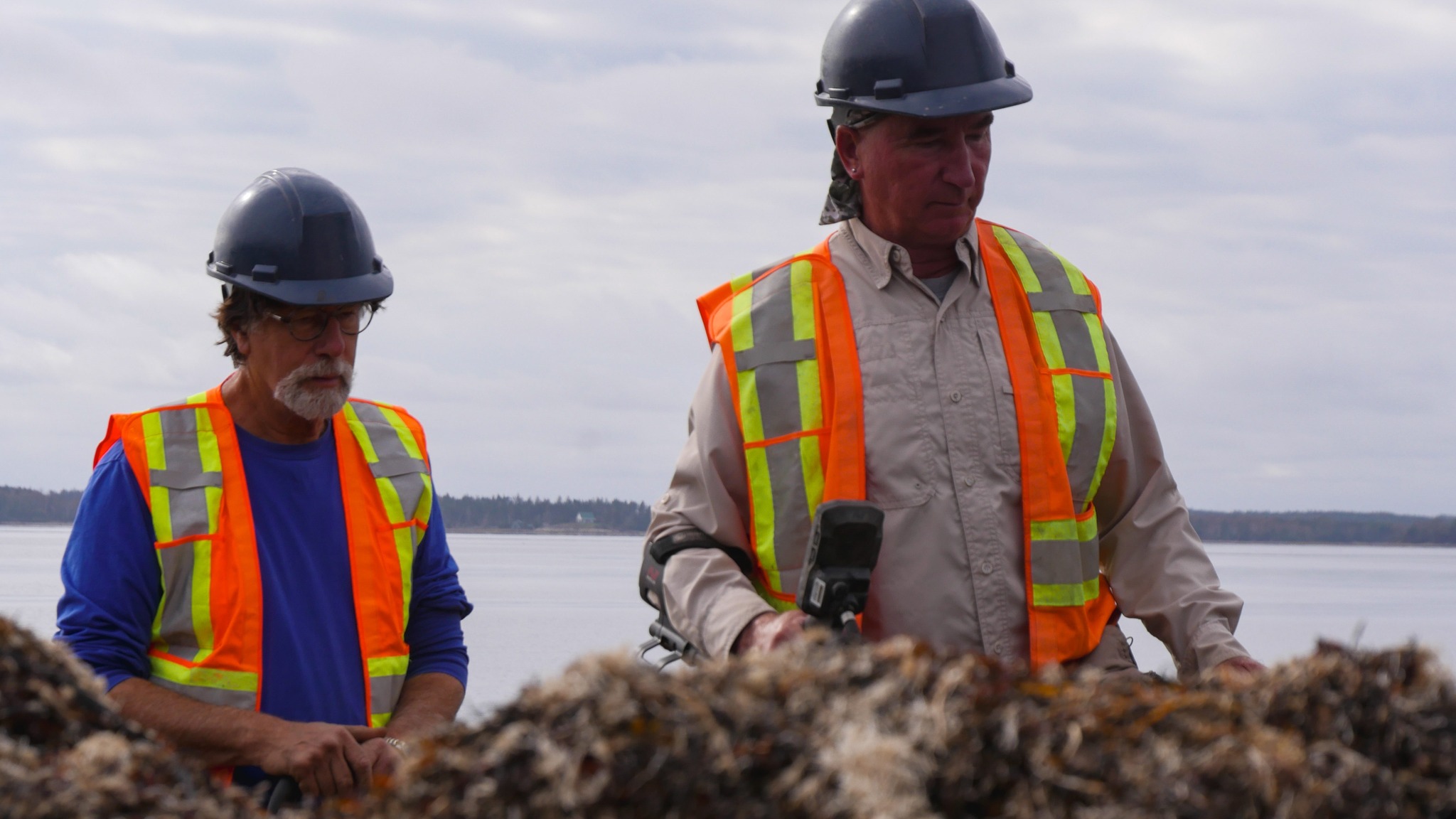
SCIENTIFIC CONFIRMATION: IT’S COCONUT FIBER
Renowned geoscientist Dr. Ian Spooner confirmed via teleconference that the material was indeed coconut fiber. This organic filter was historically recorded by 19th-century treasure hunters, believed to have been used in the construction of booby-trapped flood tunnels.
“There are only a few things absolutely unique to this quest,” said Rick Lagina. “And coconut fiber is one of them.”
The discovery of coconut fiber could provide direct evidence that the team is closing in on the original flood tunnel network—built centuries ago to guard something hidden deep within the island.
TROUBLES AHEAD: TIME RUNS OUT AT SMITH’S COVE
Despite the breakthrough, work at Smith’s Cove must temporarily cease. Heavy equipment from Irving Equipment Ltd. is scheduled to remove the steel cofferdam, halting all operations in the area for the remainder of the year due to permit restrictions.
“This isn’t over,” Rick assured. “If that dendrochronology data says this wood predates the Money Pit discovery—we may be standing right on top of the original works.”

WHAT’S NEXT FOR THE TEAM?
With evidence of a possible collapsed tunnel and coconut fiber in hand, the team plans to shift focus temporarily while analyzing data from the site. The final piece of the puzzle may come in the form of dendrochronology—a tree ring dating process that could pinpoint the age of the tunnel’s wooden supports.
If proven to be centuries old, the implications could be historic.
“We might have opened a wooden Pandora’s box,” said one team member, “and inside could be the answers to a 200-year-old mystery.”
Stay tuned as The Oak Island Observer continues to bring you exclusive updates from the dig site. Could the greatest treasure in North American history finally be within reach?