
Rick Ness, a name synonymous with Discovery’s hit reality series Gold Rush, has long been admired for his mechanical prowess, relentless drive, and quiet leadership. But in recent seasons, fans have noticed more than just shifts in gold yields—there’s been a shift in Rick himself.
From his visible weight loss and altered facial features to his somber demeanor, Rick’s transformation is no longer just a topic of online speculation—it’s a testament to the emotional and physical toll his journey has taken. Behind the grit and the gold pans lies a deeply personal story of loss, mental health struggles, and unbreakable resilience.
A Rough Start in the Midwest
Born on March 5, 1981, in Escanaba, Michigan, Rick’s early life was anything but stable. After his parents divorced, Rick and his twin brother Randy bounced between homes, eventually settling with their mother in Rhinelander in 2003. The constant upheaval taught Rick how to survive—and how to endure.

From the Football Field to the Stage
Rick showed early promise as a football star, but a career-ending head injury forced him to pivot. That pivot led him to music, joining the Milwaukee-based 357 String Band as a bassist. Touring and recording gave Rick his first taste of success—and a vital outlet for processing pain.
The Gold Rush Begins
Everything changed when Rick met Parker Schnabel at the Southeast Alaska State Fair. He soon traded bass strings for bulldozers and became an integral part of Parker’s mining crew. Fans watched Rick evolve from rookie to mine boss, ultimately leading his own crew in season 9—a bold move that paid off with a record gold haul.
Loss and the Long Road Back
In 2018, tragedy struck. Rick’s mother, Judy, passed away after a long battle with cancer. Her death deeply affected Rick, leaving a void that work and success couldn’t fill. His performance declined, and fans saw the impact on screen—sluggish movements, missed seasons, and a haunted look in his eyes.
The Battle with Seasonal Affective Disorder
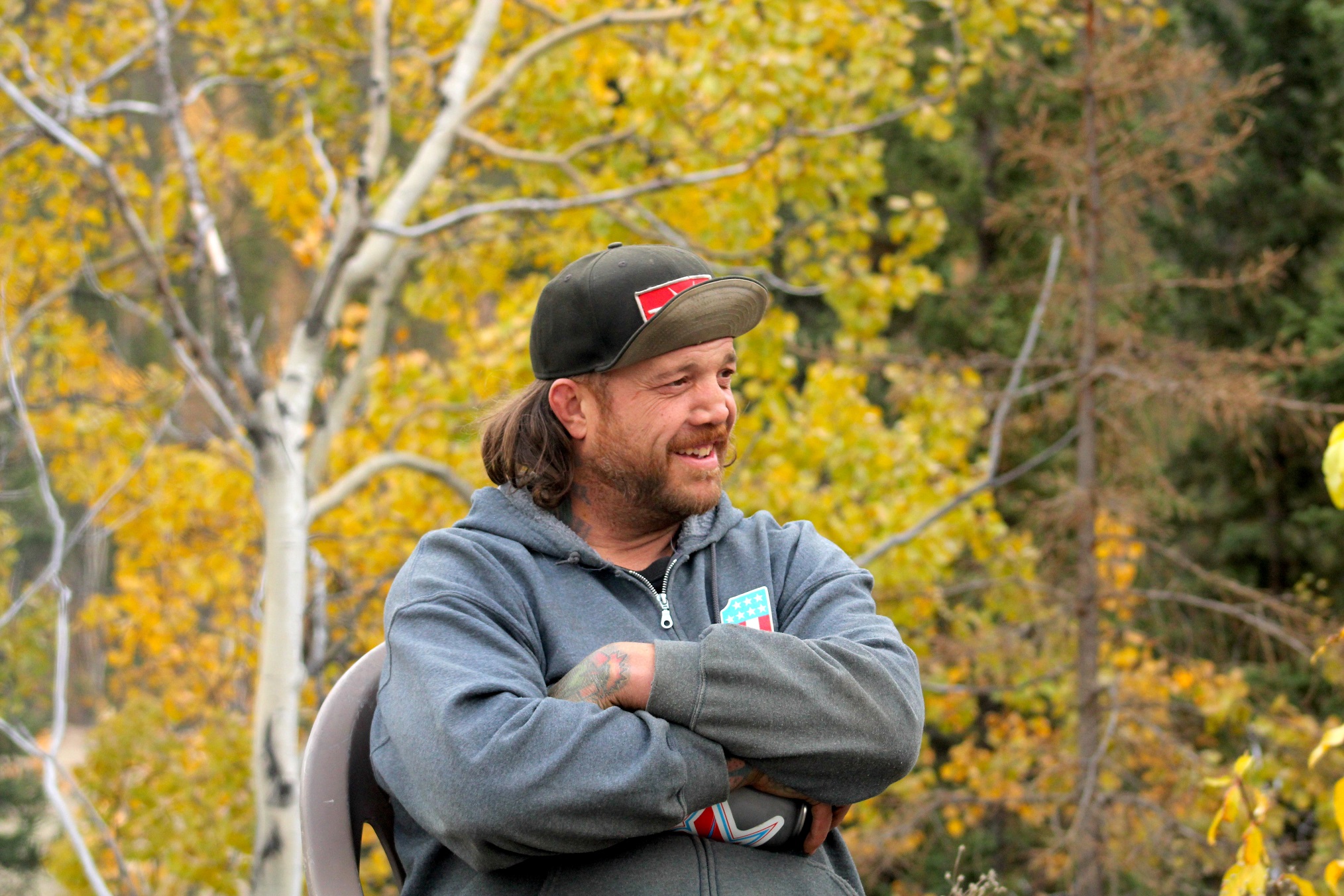
Rick’s break from Gold Rush in season 13 was more than a sabbatical. It was a necessary pause for mental health. Diagnosed with Seasonal Affective Disorder (SAD), Rick faced symptoms that drained his energy and hope. Stepping back allowed him to begin healing, even if it meant selling his mother’s house to finance a comeback.
A Return Marked by Change
Season 14 marked Rick’s return—a man transformed. He was leaner, more focused, and emotionally weathered. He had less money, a smaller team, and more to prove. But Rick showed up. He dug deep. And he reminded viewers why they believed in him in the first place.
Facing Public Scrutiny
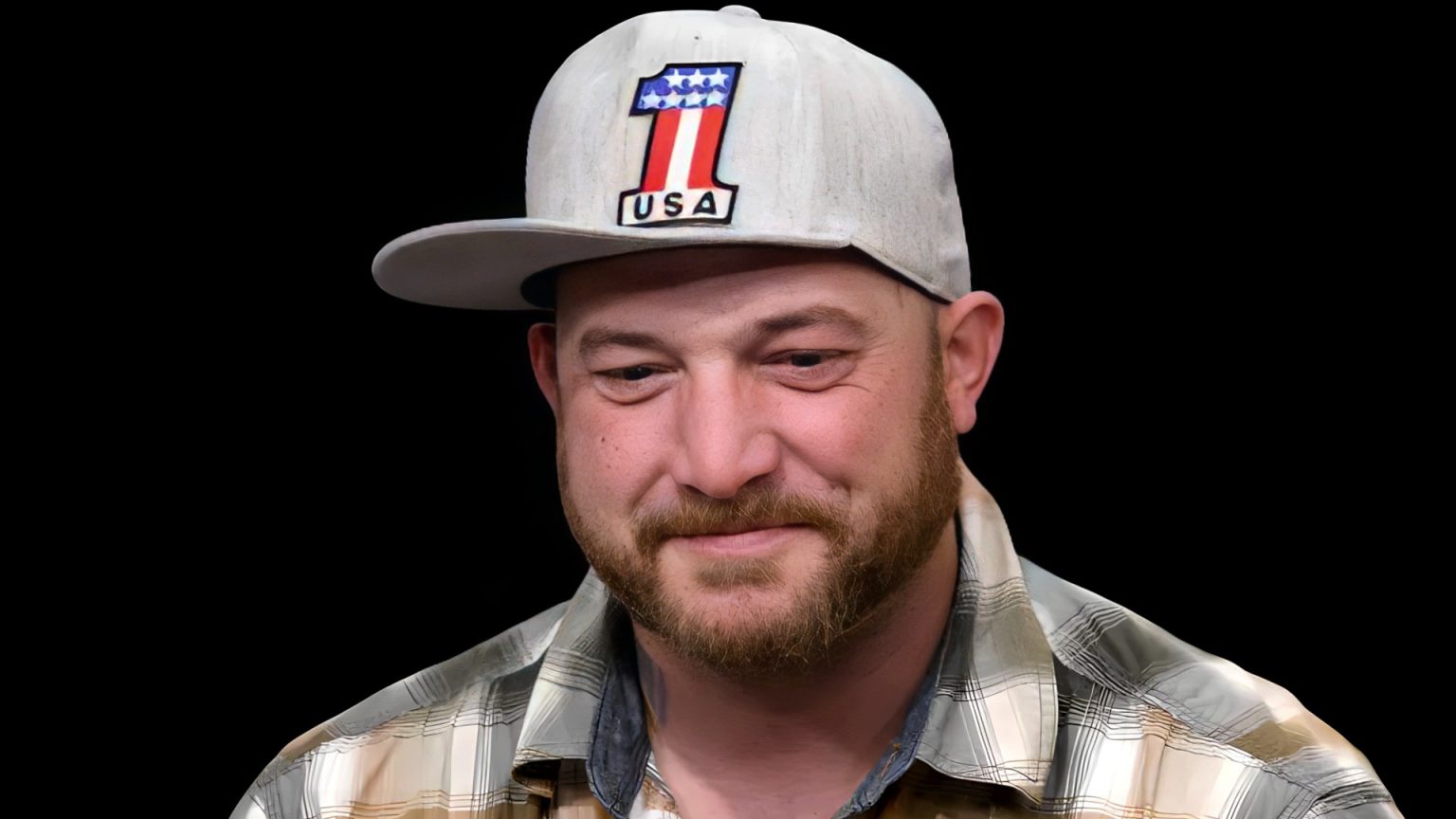
As season 15 unfolds, fans have again noticed Rick’s changed appearance—sunken cheeks, tired eyes. Rumors have swirled online, but many believe the explanation is simple: grief, depression, relentless physical labor, and the pressure of public life.
The Power of Fan Support
Instead of criticism, Rick has been met with empathy. Fans have flooded social media with messages of support, choosing compassion over gossip. They understand that Rick’s battles go beyond what’s shown on screen.
A Legacy Beyond Gold
Rick Ness is more than a miner—he’s a symbol of perseverance. His journey through loss, mental health challenges, and public life has made him one of Gold Rush’s most relatable and respected figures. In a world obsessed with appearances, Rick reminds us that real strength is forged in adversity. And that sometimes, the greatest treasure isn’t found in the ground—but in the courage to keep going.